An eclectic living room can combine pieces from different periods without feeling random. Repeated colors, useful proportions and a clear furniture arrangement give the mix something to hold together.
These rooms show different levels of contrast, from a few collected objects to bold combinations of wallpaper and upholstery. Use the ideas to make your own pieces work together rather than replace them with an entirely matching set.
PART 01
Color and contrast
IDEA 01 / 20
Mix expressive upholstery around a small table
 SaveSupport Non AI Creator
Source: Houzz project gallery on Houzz.
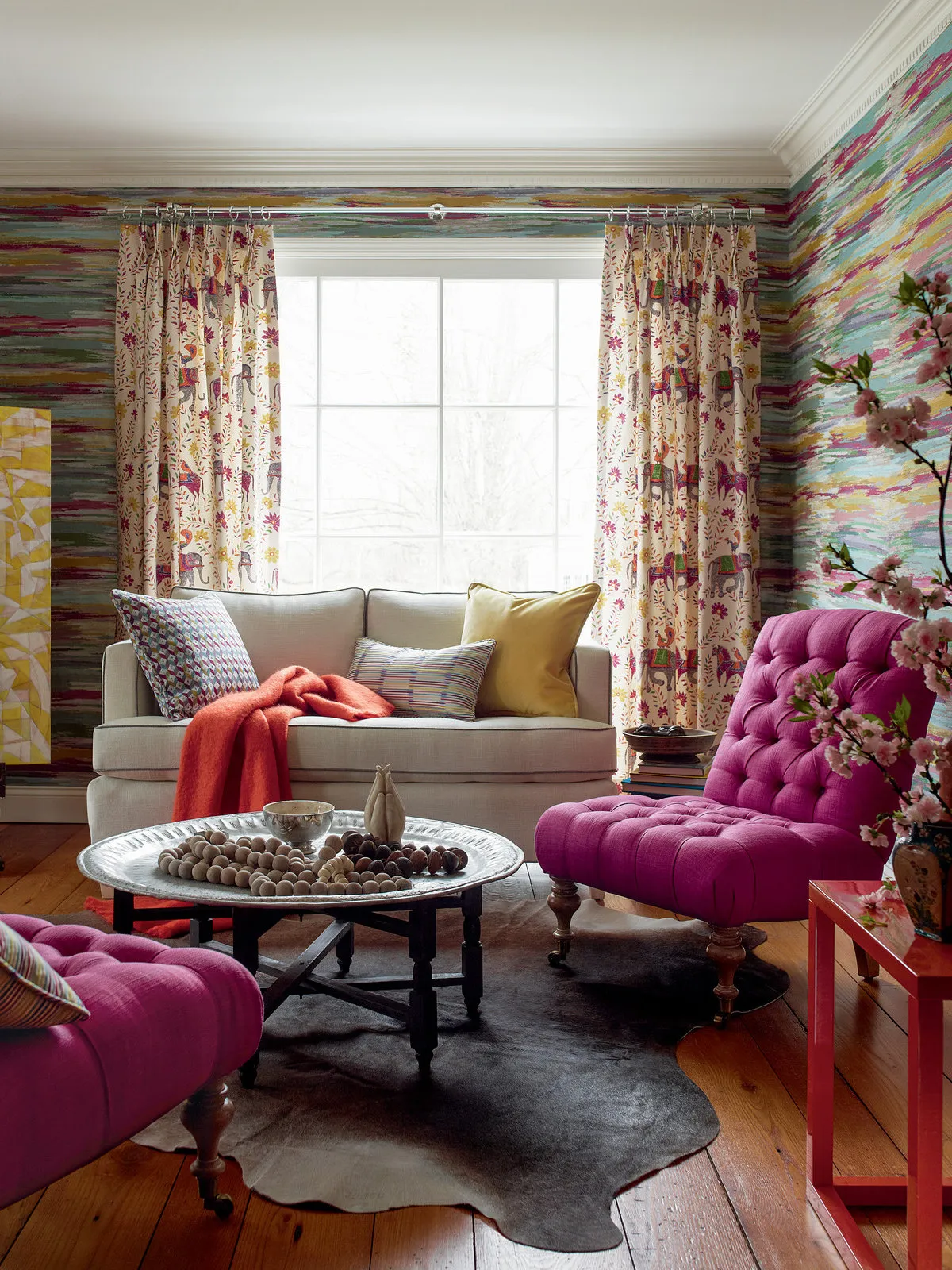
Purple tufted chairs sit beside a pale sofa and patterned curtains. The different fabrics share enough warm accents to make the compact seating group feel connected. The purple chairs have a deeper solid color than the patterned curtains and wall treatment, giving the smaller room clear seating shapes. A pale sofa and dark irregular rug provide quieter areas between the colorful fabrics.
Keep the central table accessible from each seat and choose a quieter rug, so several expressive fabrics do not compete on every surface. Choose one or two colors to repeat rather than attempting to match every print. Try chair positions with people seated, and keep the small table easy to reach without narrowing the route past the group.
IDEA 02 / 20
Use a graphic pendant above mixed seating
 SaveSupport Non AI Creator
Source: Kate Glicksberg Photography on Houzz.
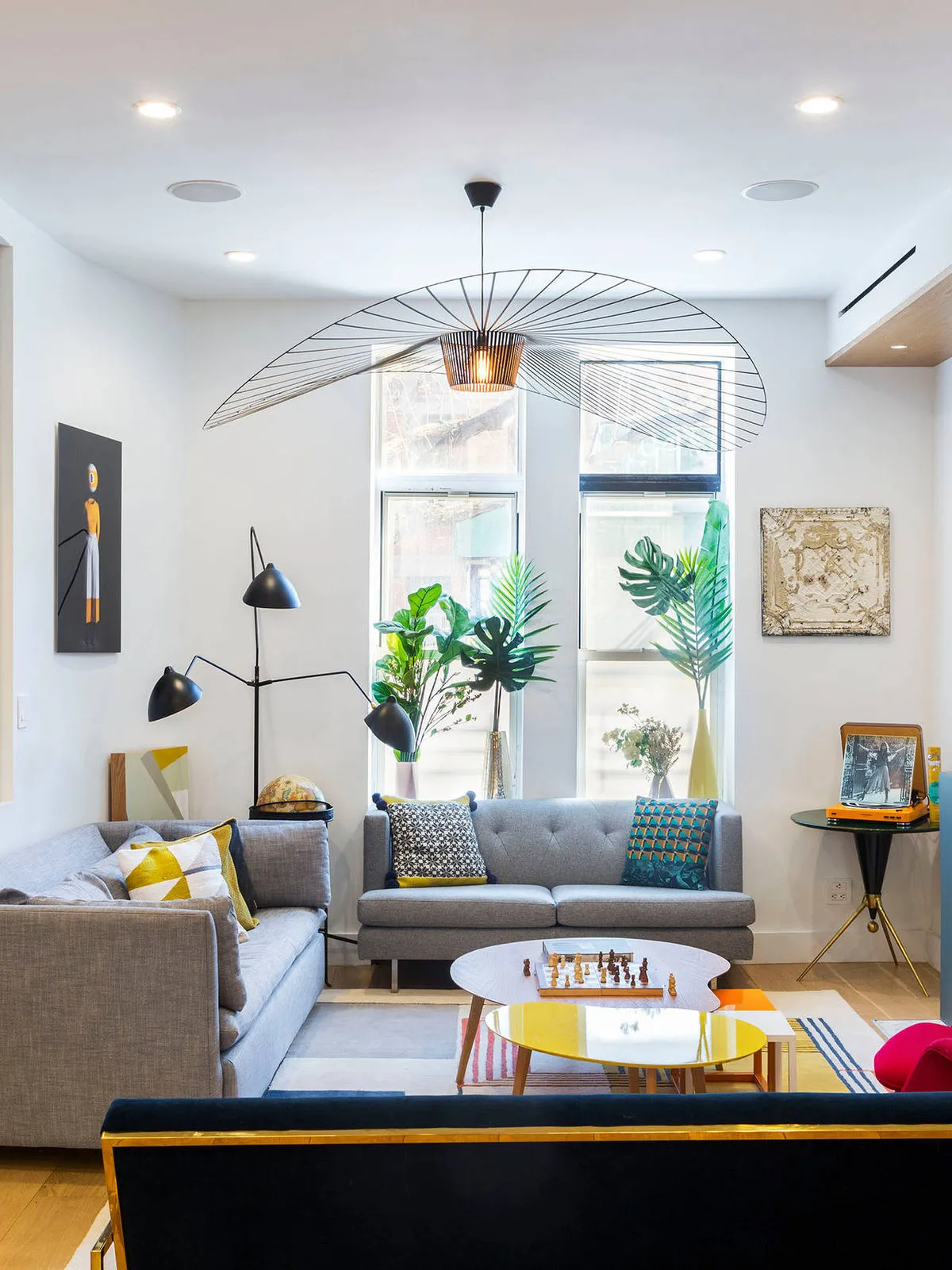
A sculptural pendant hangs above pale seating, a blue sofa and a bright coffee table. Its strong outline gives the varied furniture a shared overhead focus. The pendant’s broad open outline connects the group without becoming a solid block overhead. Gray upholstery, a dark foreground seat and bright smaller tables create variation while pale walls keep the surrounding room restrained.
Choose a fixture proportionate to the seating group and add separate reading lamps, so the decorative pendant is not responsible for every lighting task. Check the complete width of a sculptural fitting against the room and nearby windows before installation. Use focused lamps where people read, and keep small overlapping tables stable and easy to separate for shared activities.
IDEA 03 / 20
Make a pale sofa part of a collected room
 SaveSupport Non AI Creator
Source: Sword+Fern Creative+Production on Houzz.
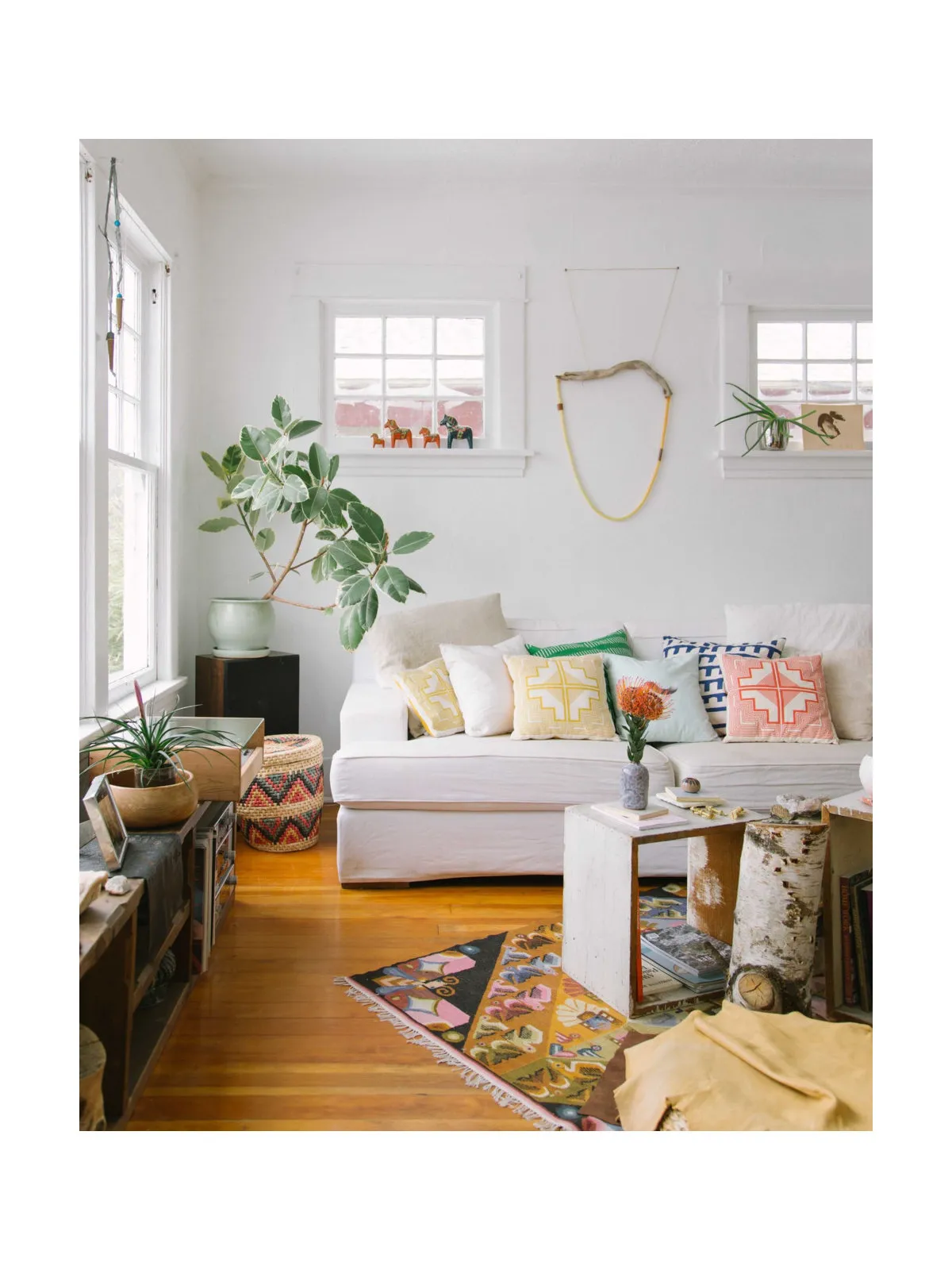
A pale sofa sits among plants, patterned cushions and varied smaller tables. The simple main seat gives these individual pieces a calm place to gather. The white sofa makes colorful embroidered cushions visible without competing with their patterns. Smaller natural textures, a plant and an irregular mirror frame add collected detail around the room’s quieter main seat.
Repeat one cushion color in a smaller object or artwork, and leave part of each table clear rather than filling all available surfaces. Choose plant positions for their light requirements and protect flooring beneath pots. Keep the number of small occasional tables proportionate to the room, reserving reachable surfaces for daily belongings rather than filling every gap with a display.
IDEA 04 / 20
Pair Traditional Chairs with a Timber-Topped Table
 SaveSupport Non AI Creator
Source: Paula Coldiron on Houzz.
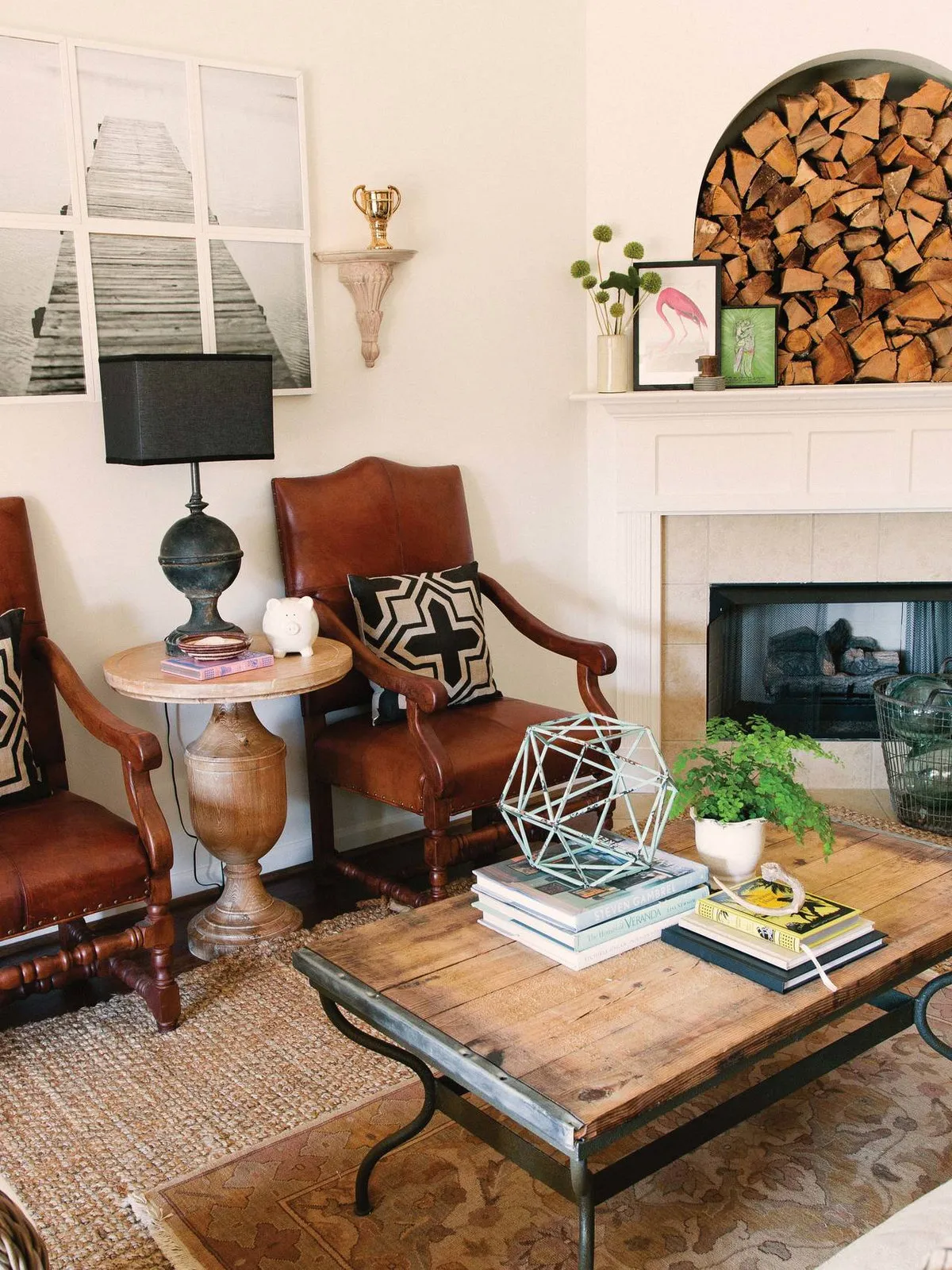
Traditional timber and leather chairs sit around a timber-topped coffee table beside a pale fireplace, with patterned cushions adding a more playful layer. Slim dark table legs and a geometric decorative object introduce different outlines without disguising the older furniture’s warm materials.
Use a rug to connect mixed chairs while leaving their frames visible, and check the table’s edges and stability for your household. Keep the fireplace’s required clearances in mind when arranging seats, then leave part of the central surface clear for books or drinks.
IDEA 05 / 20
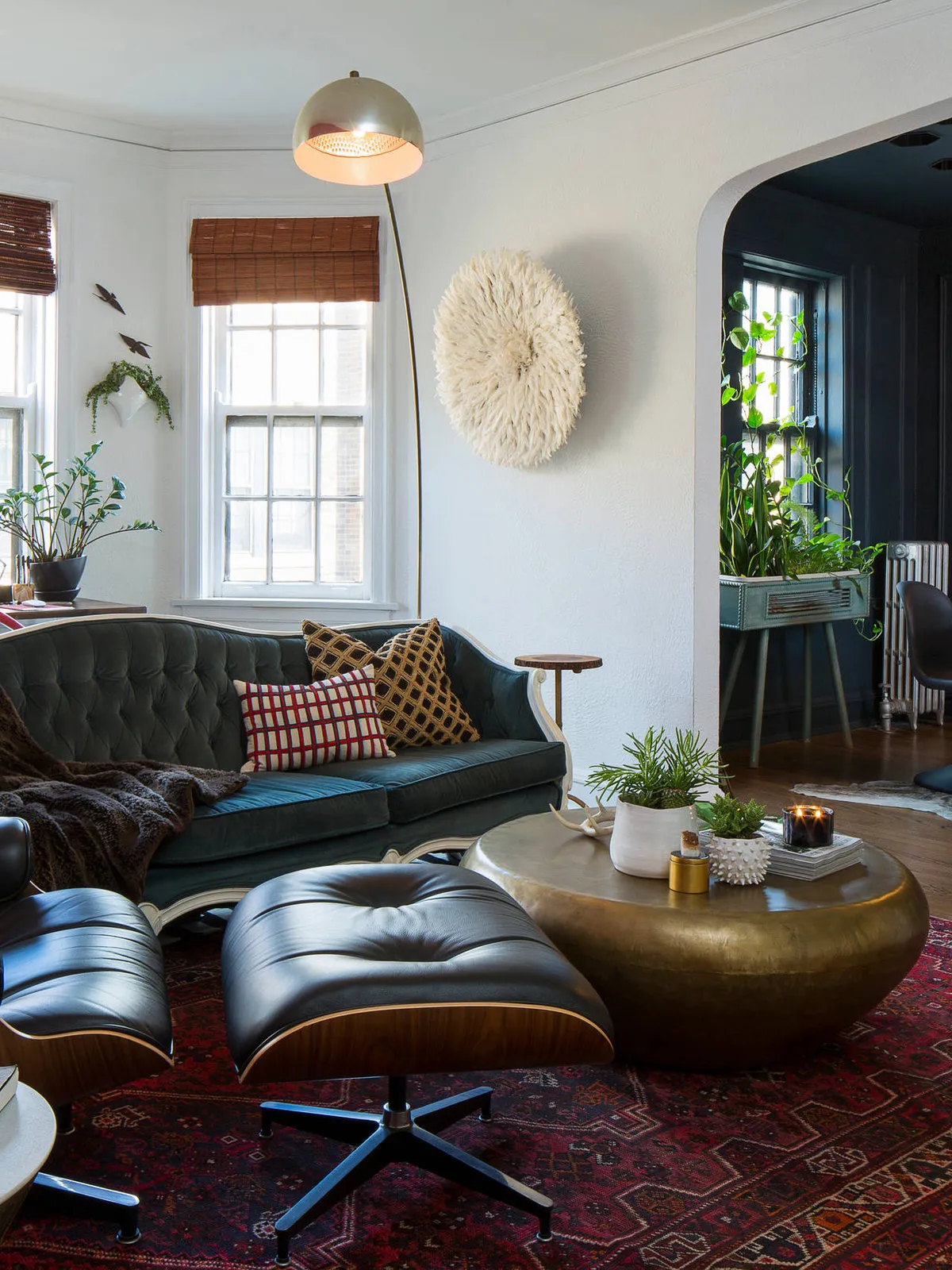
Mix a modern lounge chair with a velvet sofa
 SaveSupport Non AI Creator
Source: Houzz project gallery on Houzz.
A dark lounge chair and footstool share a room with a green sofa and patterned cushions. The contrasting silhouettes make the room feel individually assembled. The lounge chair’s dark leather and curved timber shell contrast with the green sofa’s tufted surface. A warm metallic table and patterned rug connect those distinct pieces without asking them to match in style.
Check that both seats feel comfortable at conversation distance, and keep a small reachable table near the lounge chair rather than relying solely on the coffee table. Test the footstool distance and seat angle for the person who will use the chair most. Keep a reachable side surface nearby, and preserve enough space around the lounge chair’s base for it to move comfortably if designed to swivel.
PART 02
Texture and materials
IDEA 06 / 20
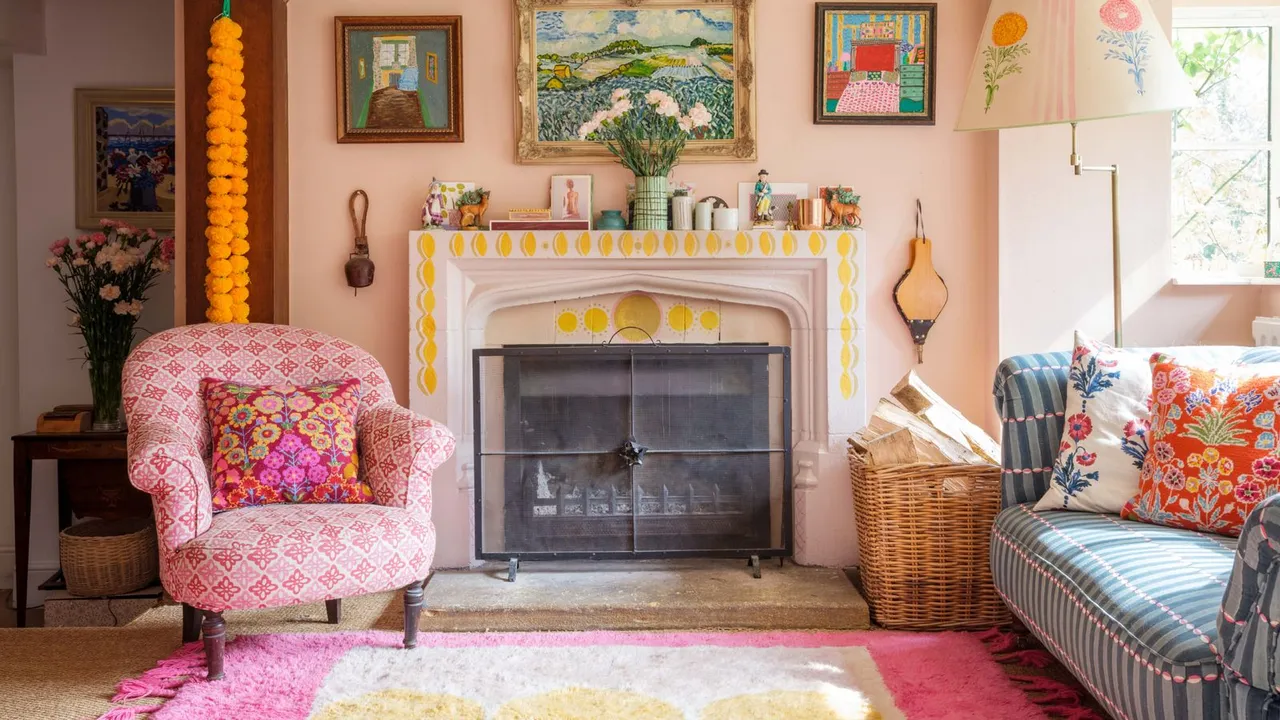
Let soft pink walls connect lively patterns
 SaveSupport Non AI Creator
Source: Molly Mahon.
A pink chair sits beside a striped sofa and a pale fireplace under colorful artwork. The warm wall color gives the different patterns a gentle common background. Yellow details on the pale mantel pick up smaller colors in the art and cushions. The striped sofa and pink patterned chair vary in scale, helping the room feel collected rather than covered in a single repeated fabric.
Use a limited group of repeating colors across the artwork and upholstery, and leave the mantel with enough open space to keep the arrangement legible. Choose a few shared warm colors when combining stripes and flowers, then use plain areas to balance them. Keep fireplace decorations and upholstery outside required heat clearances, and reserve comfortable seat depth beneath the decorative cushion layers.
IDEA 07 / 20
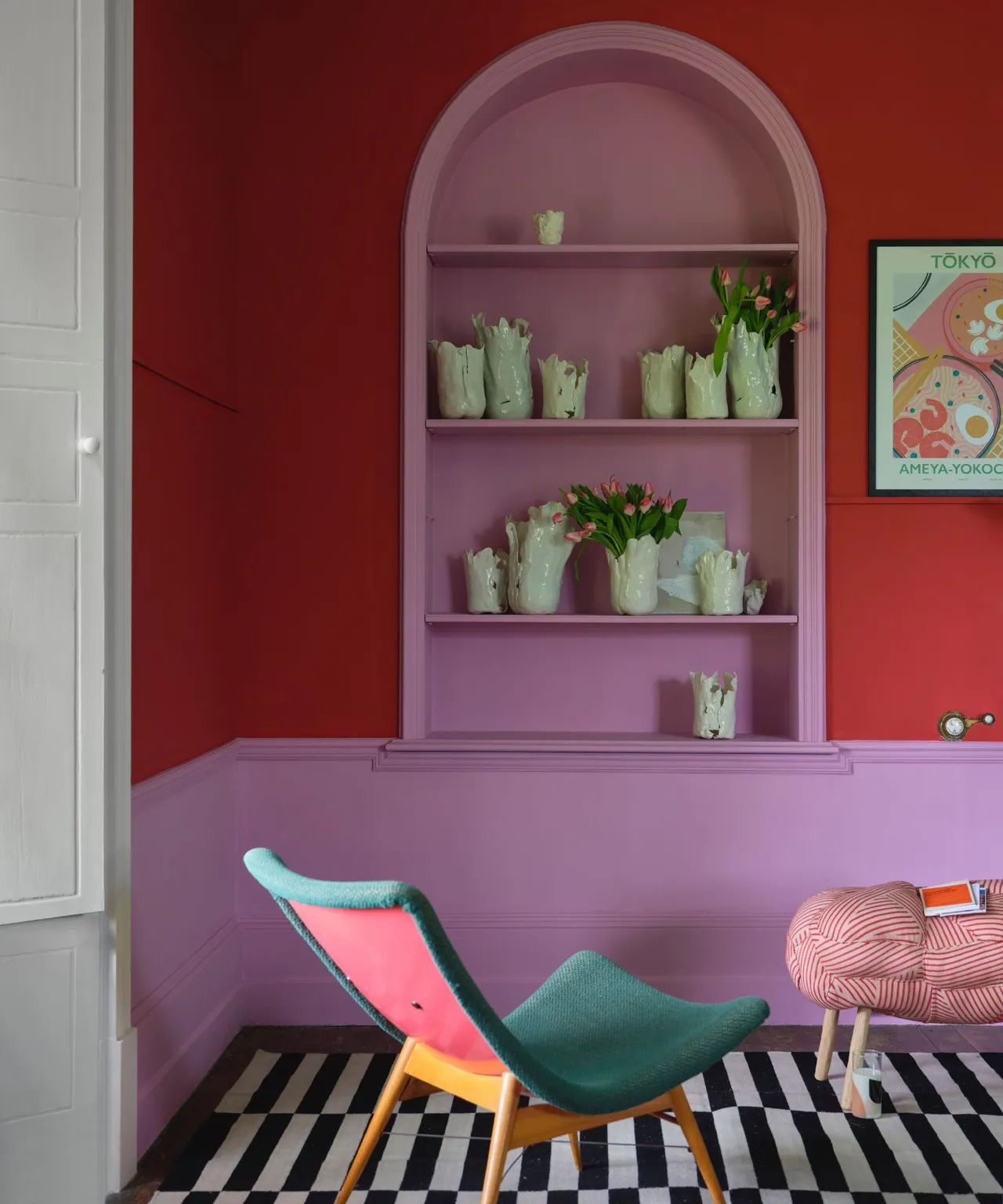
Give an alcove a contrasting paint color
 SaveSupport Non AI Creator
Source: realhomes.com.
A pale pink alcove sits within red walls above a green chair and striped floor detail. The smaller color block adds an unexpected focal point. Pale vessels repeat across the arched shelves, making the pink recess feel like one deliberate display. The green chair adds a cooler contrast, while black-and-white checks provide a stronger neutral pattern underfoot.
Use existing architectural edges to define paint changes, and check the palette in the room before applying equally strong color to another large surface. Use paint samples beside the actual flooring and furniture before committing to a vivid contrast. Keep shelf contents grouped and stable, and allow the architectural arch to define the display instead of adding equally strong patterns around every edge.
IDEA 08 / 20
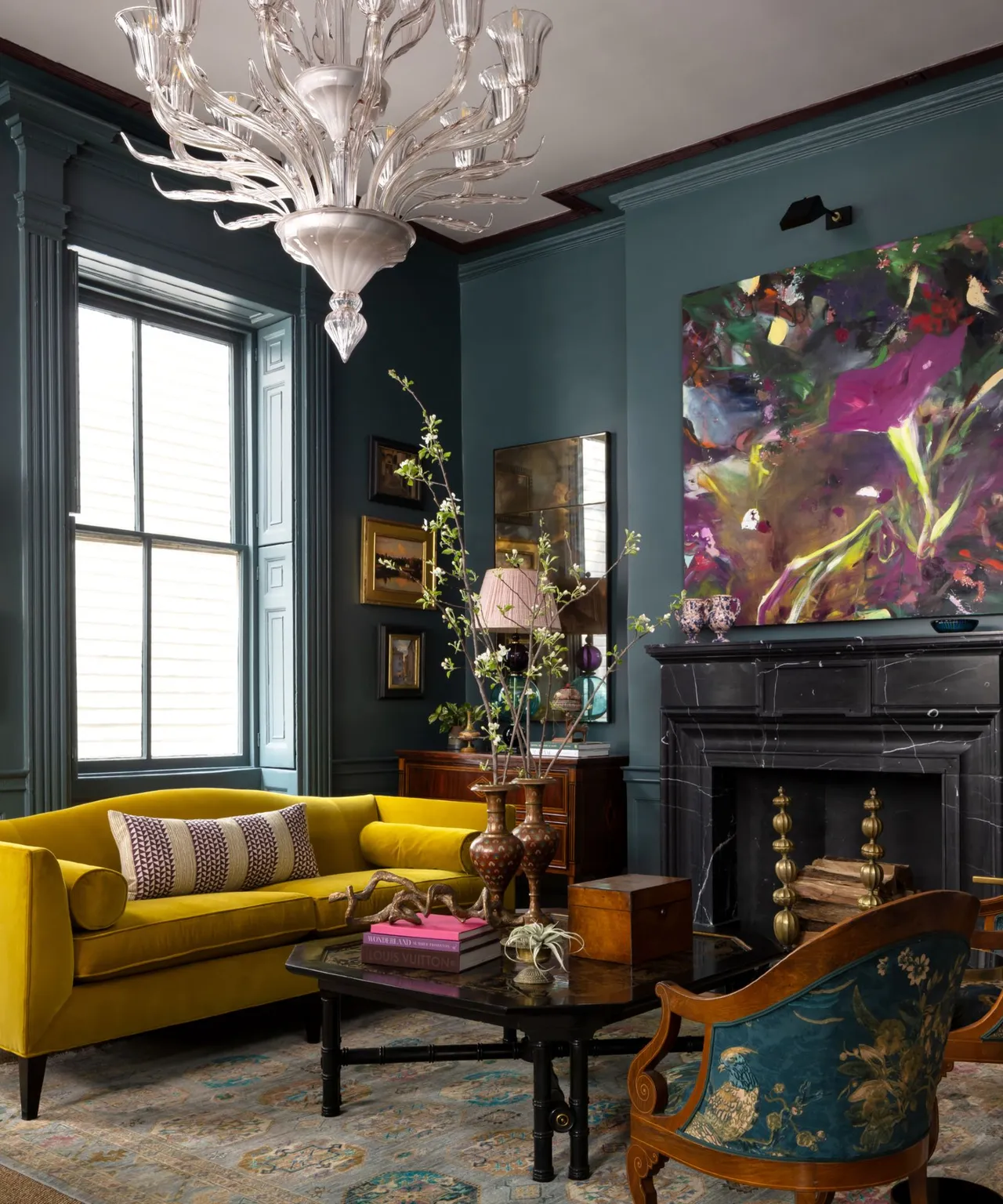
Make yellow seating stand out against dark walls
 SaveSupport Non AI Creator
Source: realhomes.com.
A bright yellow sofa sits beneath deep blue walls and colorful artwork. The surrounding dark surfaces let the warm upholstery become the room's clear focal point. The yellow sofa supplies a broad warm surface beneath the much more varied painting. Dark blue walls and the black fireplace give those colors structure, while the ornate foreground chair adds another smaller pattern.
Keep smaller accessories less saturated when the main sofa already carries strong color, and use evening lamps to reveal the darker wall details. Use large paint and upholstery samples together to judge the contrast at the scale of the room. Provide lower lamps alongside the decorative chandelier, especially if the dark walls make artwork and reading surfaces difficult to see after sunset.
IDEA 09 / 20
Pair a green sofa with warm pink walls
 SaveSupport Non AI Creator
Source: realhomes.com.
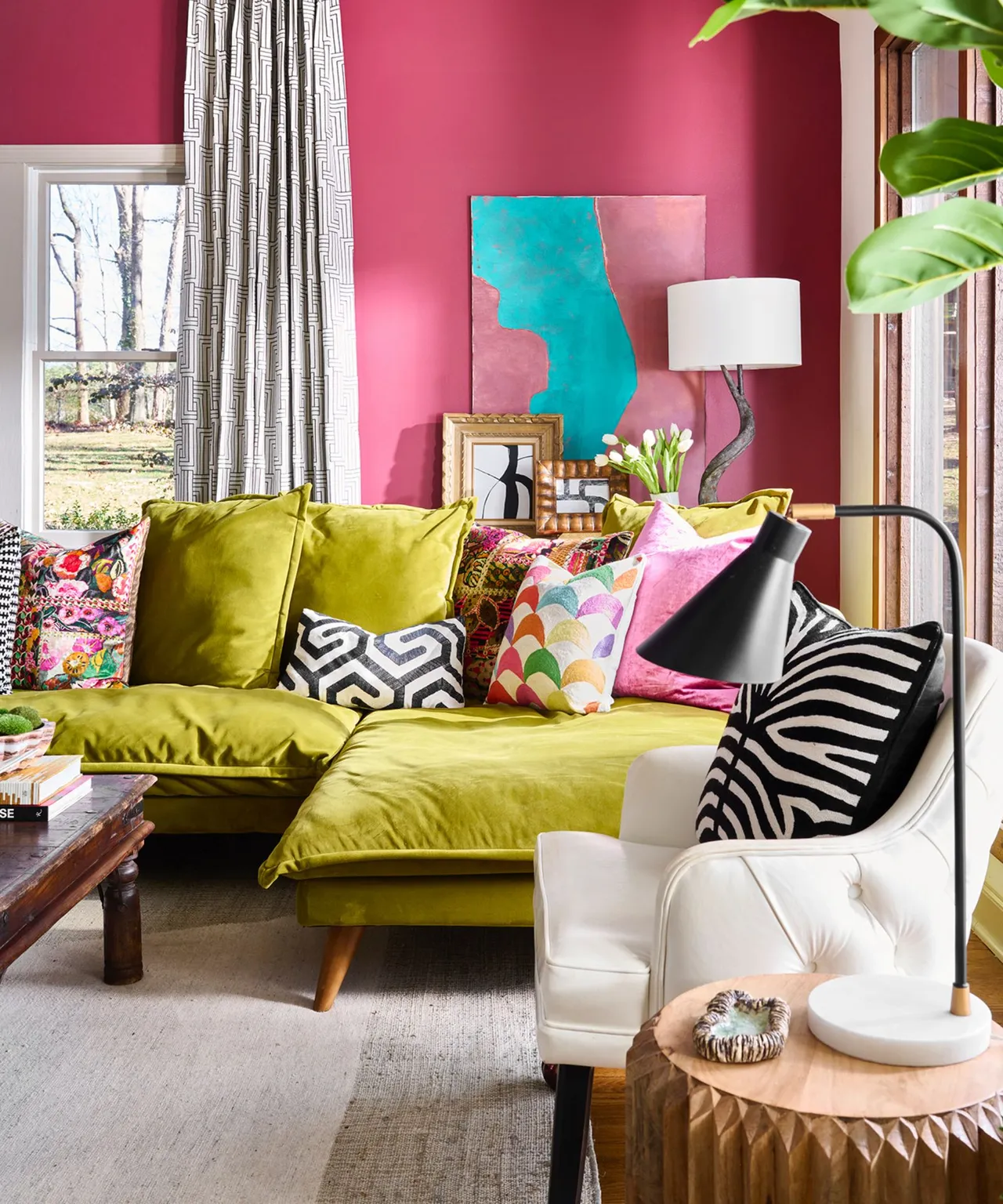
A lime-green sofa sits against pink walls beside black-and-white patterned cushions. The contrasting palette feels playful while the furniture arrangement remains straightforward. The green upholstery creates a bright middle ground between pink walls and black-and-white prints. A pale chair and natural timber side table add quieter materials, while smaller cushions pick up colors from the art.
Try the colors together in textile and paint samples first, and choose one neutral pattern to give the stronger shades a clear boundary. Start with one strongly colored surface and add the second after comparing samples in the room. Use a neutral pattern as a connecting detail, and leave enough plain upholstery visible so the collection of pillows does not overwhelm comfortable seating.
IDEA 10 / 20
Repeat teal across seating and built-in shelves
 SaveSupport Non AI Creator
Source: realhomes.com.
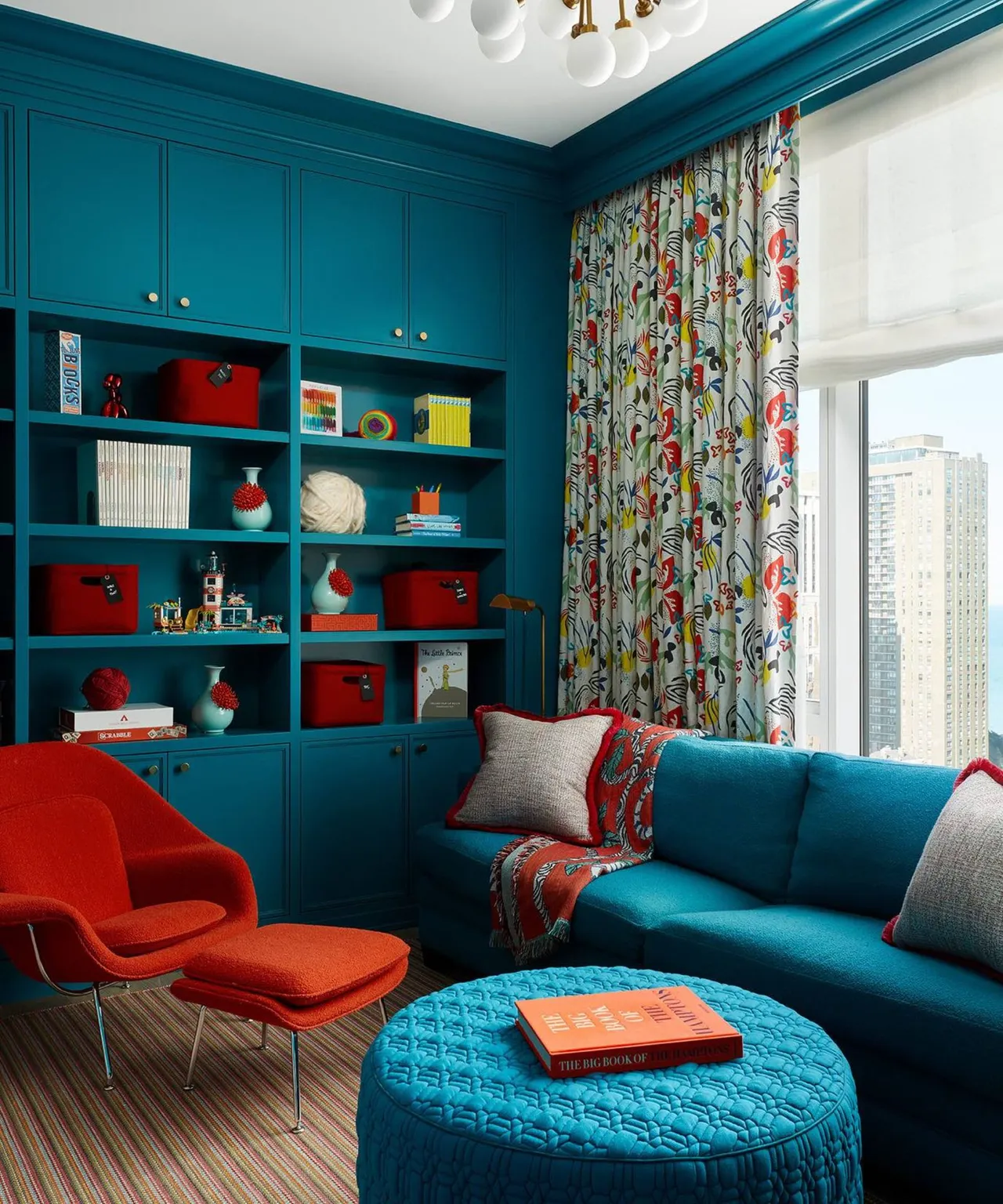
A teal sofa and matching shelves sit beside a red chair and patterned curtains. The repeated main color organizes the room's many smaller accents. Red storage boxes echo the chair and footstool against the teal shelving. Floral curtains introduce several smaller shades, while the sofa and quilted ottoman repeat the main blue-green color in broader solid areas.
Keep a little open space on the shelving and vary object heights, so the display adds personality without becoming a solid wall of clutter. Use closed boxes for loose belongings and leave some shelves partially open to separate the colors. Check the footstool and ottoman positions with both seats in use, keeping the route toward the window and other furniture clear.
PART 03
Furniture and layout
IDEA 11 / 20
Mix natural storage with a pale contemporary sofa
 SaveSupport Non AI Creator
Source: realhomes.com.
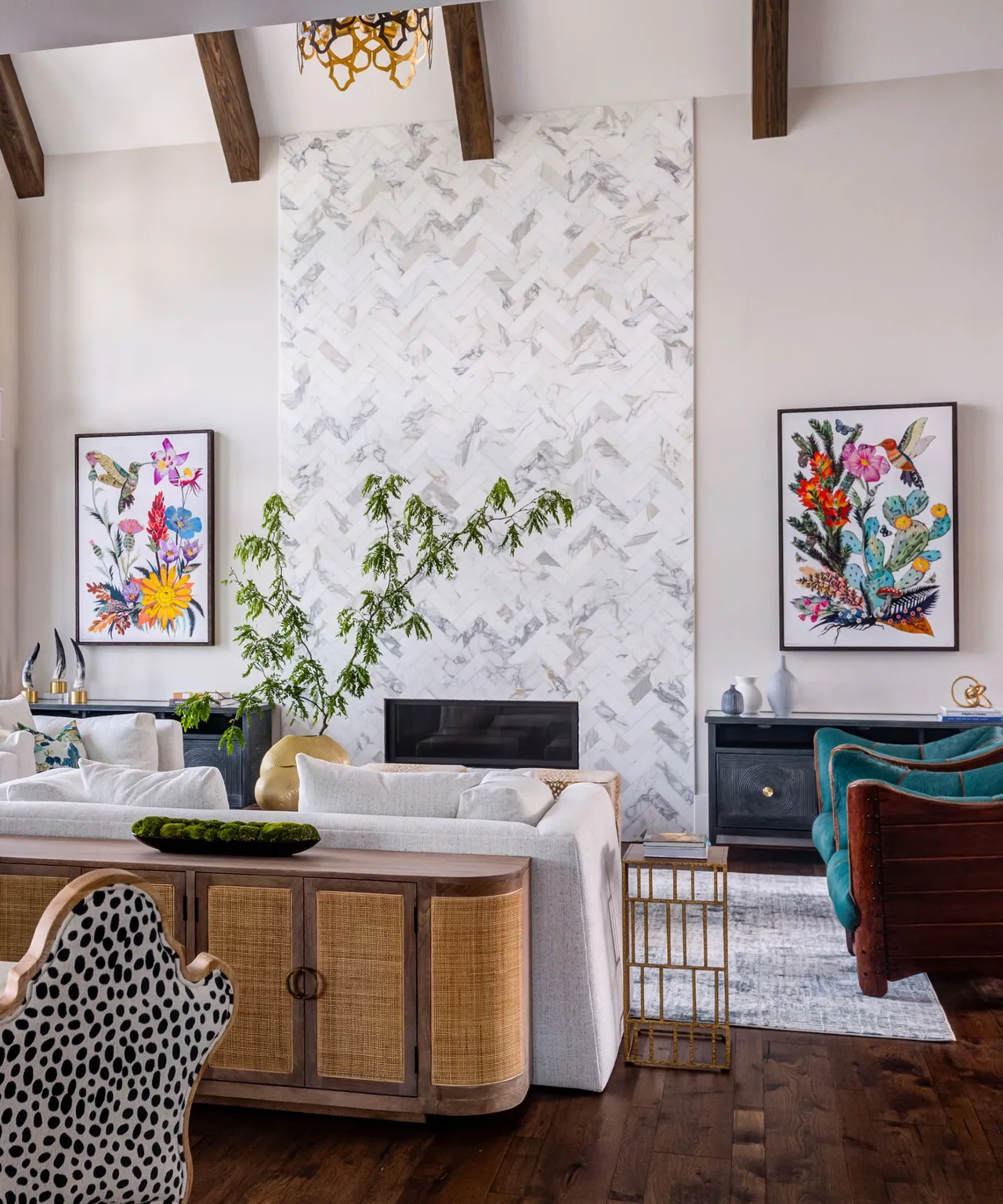
A pale sofa sits beside a woven-front sideboard beneath a patterned fireplace wall. The natural storage texture gives the clean-lined seating a warmer companion. The rounded woven-front cabinet provides warm detail behind the clean-lined pale seating. Smaller floral pictures and colored chairs add contrast around the tall patterned chimney wall without covering its full height with extra ornaments.
Use enclosed storage for everyday items and keep its top lightly arranged, especially when nearby walls already carry art or a strong surface pattern. Use the cabinet to contain everyday items so the mixed furniture can remain visually clear. Check that doors still open behind the sofa, and keep decorative plants and objects stable on its curved or narrow surface.
IDEA 12 / 20
Give pale seating a deep green ottoman
 SaveSupport Non AI Creator
Source: realhomes.com.
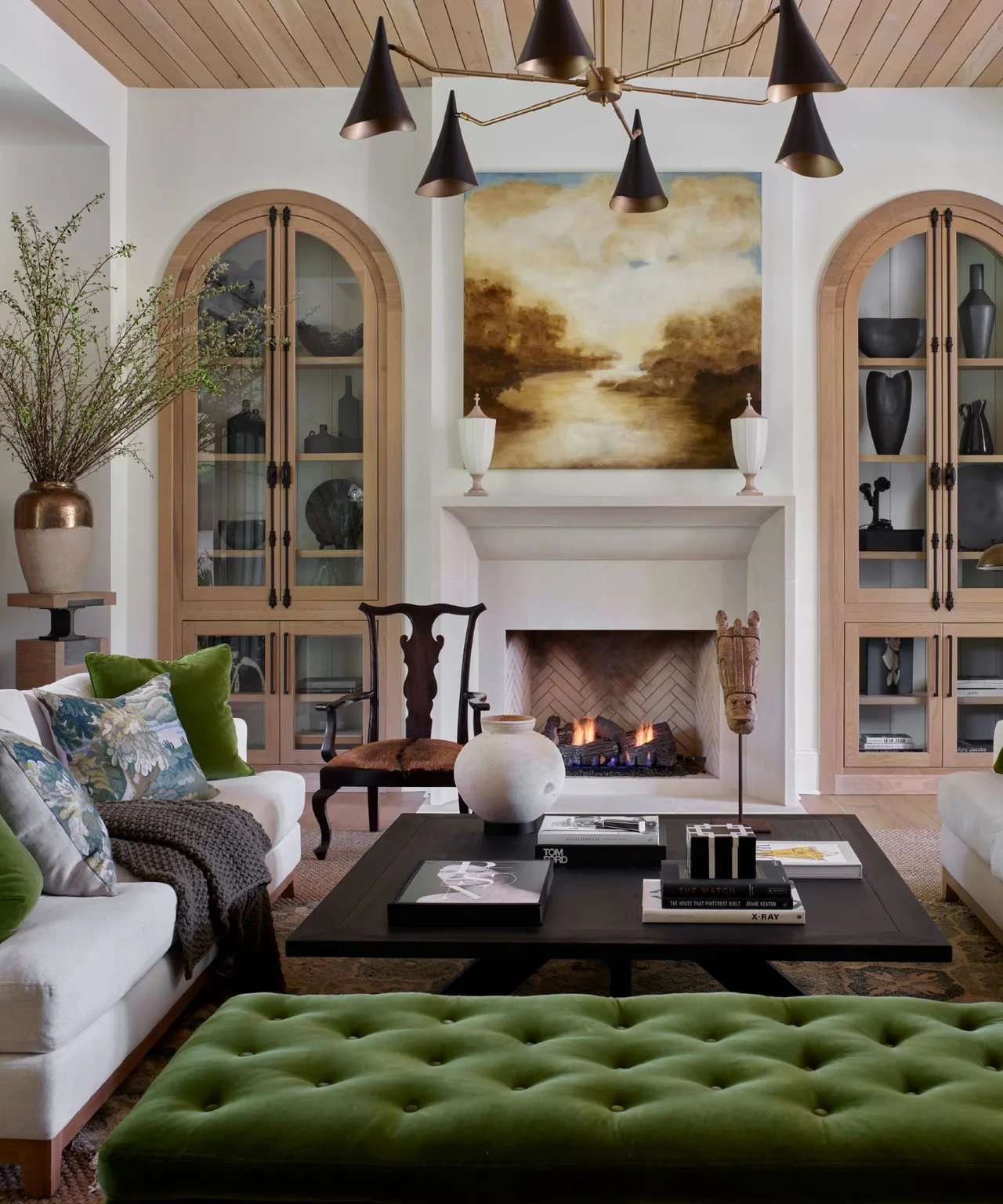
A green tufted ottoman sits among pale sofas and tall glazed cabinets. The concentrated color adds a lively center without changing all the larger furnishings. The green tufted surface picks up the sofa’s green cushions below the tall arched cabinets. A simple dark coffee table supplies a firm central surface, while warmer landscape art connects with the timber framing above.
Choose an ottoman height that works from the surrounding seats and use a removable tray, leaving the upholstered surface available when extra seating is needed. Decide whether the upholstered piece is mainly for feet or occasional seating and confirm its intended use. Keep space between it and the coffee table for comfortable movement, rather than allowing the concentrated color to draw furniture too closely together.
IDEA 13 / 20
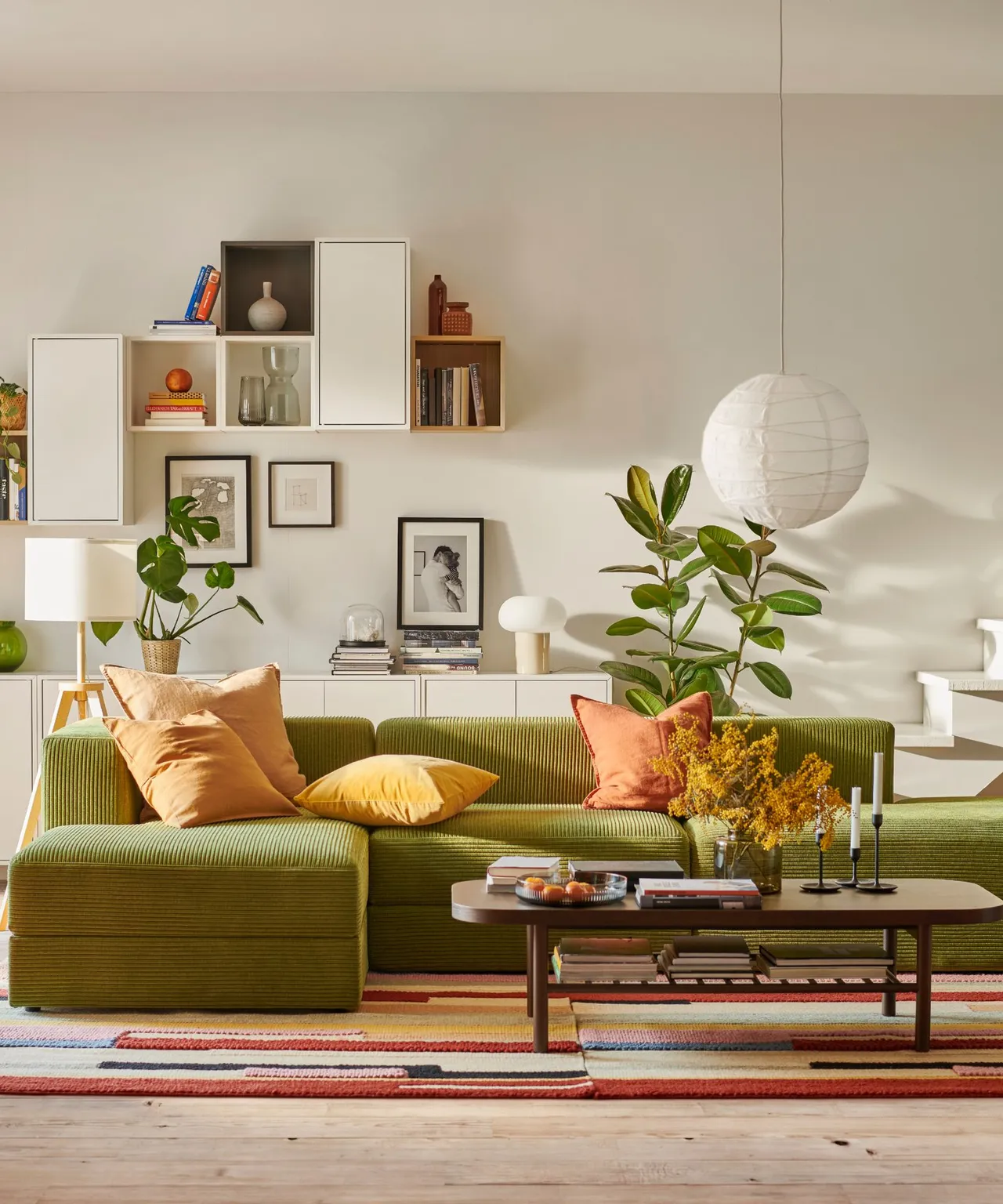
Add warm pillows to a green sofa
 SaveSupport Non AI Creator
Source: realhomes.com.
An olive-green sofa sits below open wall shelves with warm orange cushions. The repeated earthy colors make the mix of plants, books and artwork feel connected. Orange and yellow cushions warm the olive sofa while the striped rug repeats similar tones below. Pale modular shelves and a round paper-style pendant keep the upper room lighter despite the colorful seating.
Choose cushions that leave enough usable seat depth and arrange the shelves around useful objects, rather than buying a whole collection only for display. Vary cushion sizes only as far as the seat remains comfortable, with a place to store extras when resting. Use open shelves for objects you value or use, leaving enough room between them to avoid a crowded display.
IDEA 14 / 20
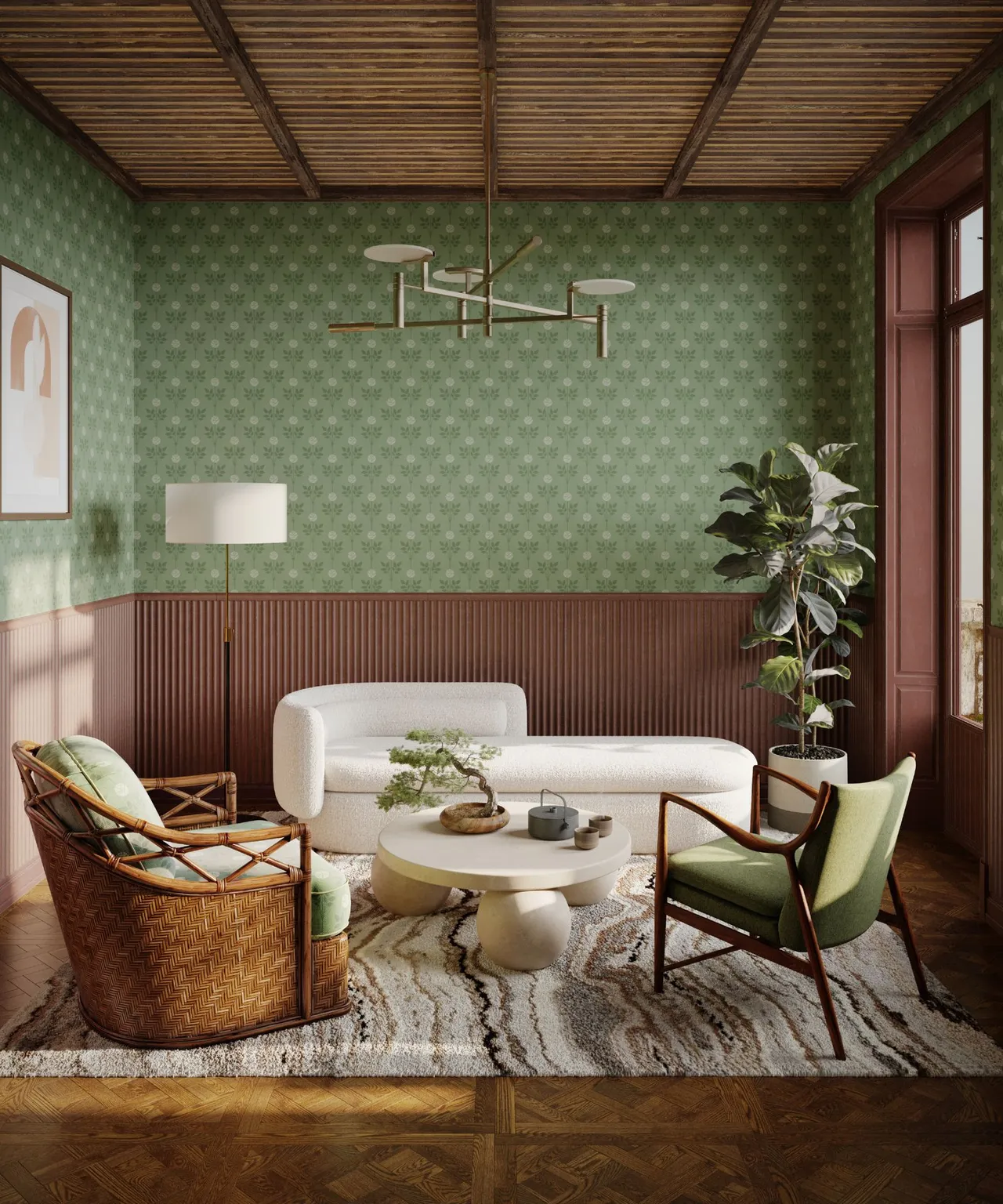
Combine woven seating with a pale modern sofa
 SaveSupport Non AI Creator
Source: realhomes.com.
A pale sofa and woven chair sit beneath a timber ceiling beside green patterned walls. The different textures make the room layered without many extra accessories. Green walls and upholstered chair cushions repeat a soft color, while the woven chair and timber ceiling add different natural textures. The pale curved sofa offers a quieter large surface within that layered setting.
Keep the largest furniture shapes simple when the architecture is detailed, and choose a rug that visually gathers the contrasting seats into one group. Choose a rug that connects the seats without introducing another dominant color family. Measure open chair frames at their widest point, and leave room around the central table so the collected group remains convenient to enter and use.
IDEA 15 / 20
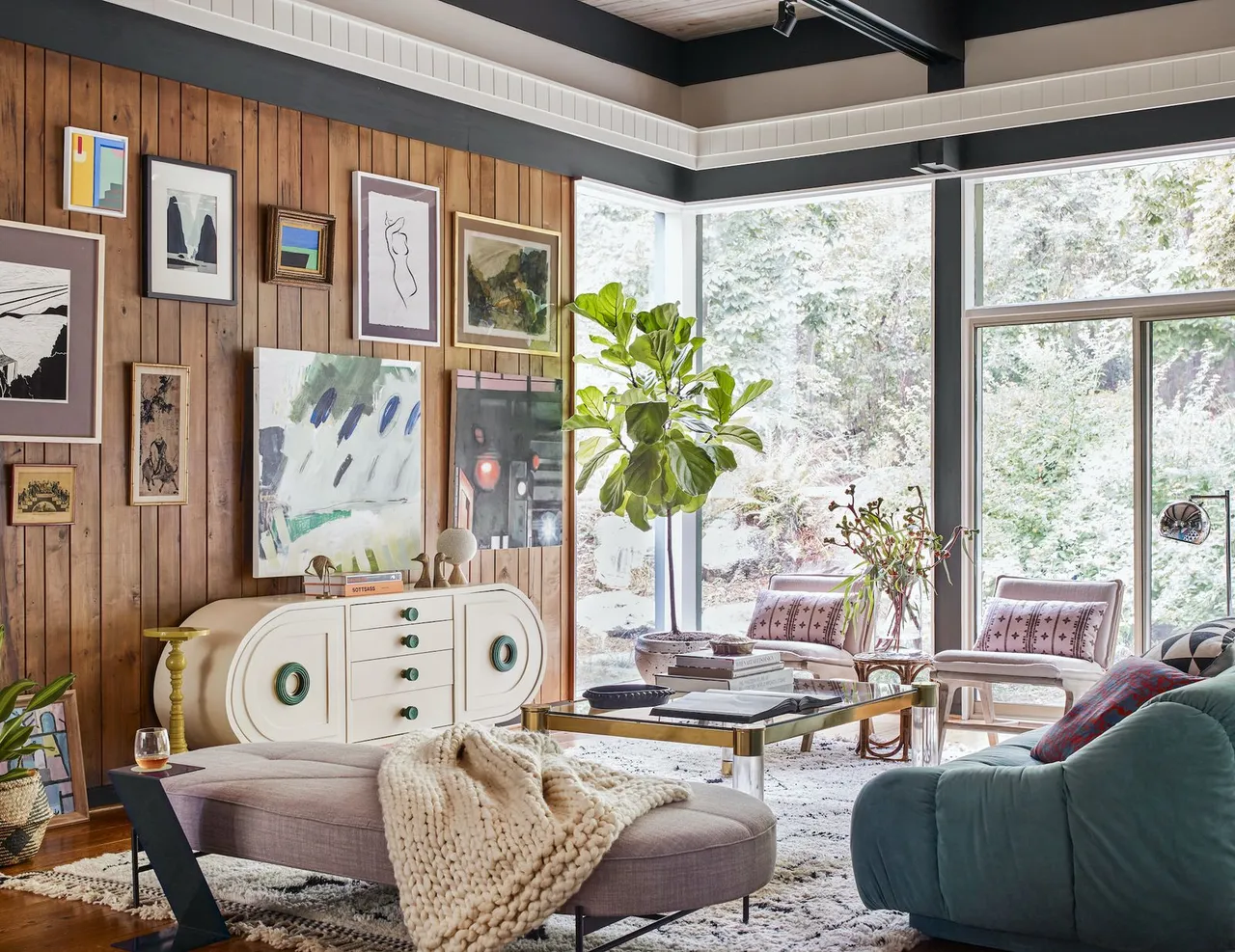
Use a broad gallery wall above varied furniture
 SaveSupport Non AI Creator
Source: Jessica Davis. Design: Atelier Davis.
Numerous framed pictures cover a timber wall above a pale chair and patterned rug. The generous display gives the mixed furnishings a personal, collected setting. The timber wall provides a warm background for differently sized pictures and a pale rounded storage piece. A light chaise and darker sofa contrast in both color and outline, while the rug joins the furniture below.
Plan the arrangement before making holes and connect it through frame tones or spacing, while leaving the chair and storage surfaces useful for daily life. Arrange pictures around a shared spacing or a few repeated frame tones before fixing them in place. Secure larger leaning artworks where needed, and keep the chaise accessible as a usable seat rather than placing display furniture directly in its approach.
PART 04
Finishing touches
IDEA 16 / 20
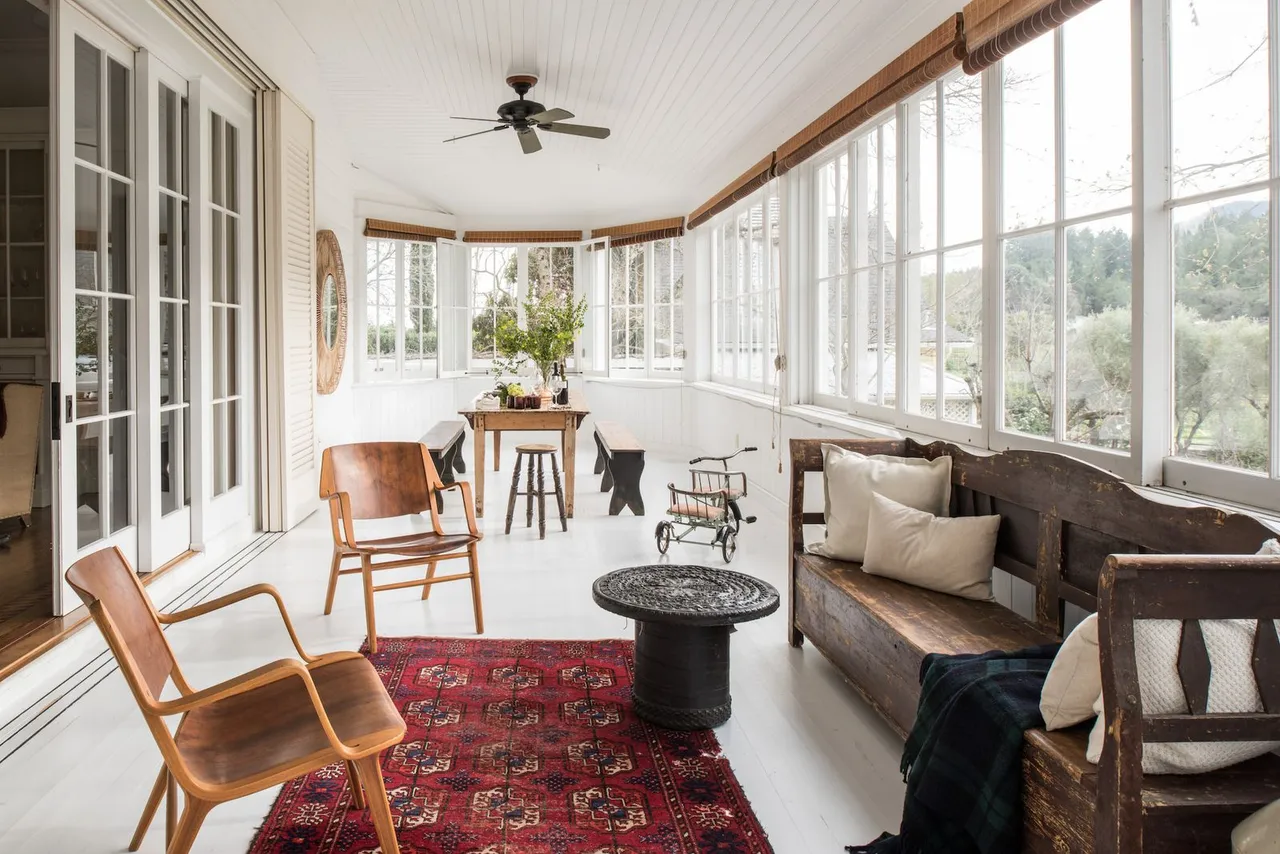
Mix chairs and a sofa in a bright sunroom
 SaveSupport Non AI Creator
Source: livingetc.com.
A darker sofa sits beside timber-framed chairs on a red patterned rug in a bright sunroom. The rug connects furniture that has noticeably different shapes. Open timber chairs face the darker bench-like sofa across a richly colored rug. A small dark round table adds another compact shape, while the window-lined room provides a bright background for the varied furnishings.
Choose textiles suited to the room's light exposure and leave window access clear, so the inviting seating arrangement remains practical throughout the year. Check how much direct sunlight reaches each seat and choose materials with suitable care requirements. Keep blinds reachable, protect any timber from recurring moisture near glazing and leave a straightforward route toward the sunroom’s doors.
IDEA 17 / 20
Pair built-in seating with mismatched movable chairs
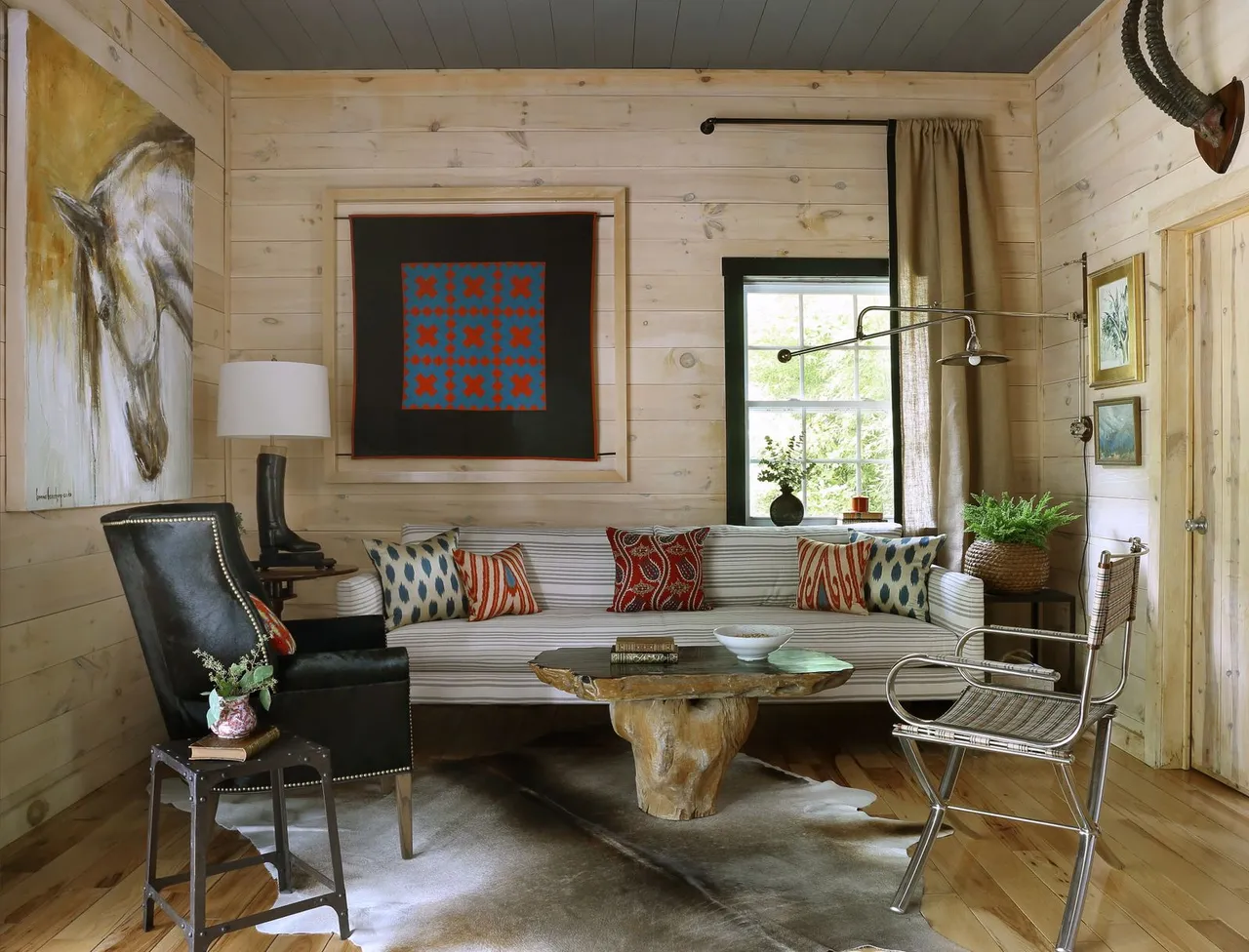 SaveSupport Non AI Creator
Source: livingetc.com.
A pale built-in sofa sits behind an irregular timber table and two different chairs. The fixed seat provides structure for the more individual pieces. The long fixed seat provides a simple horizontal line against the timber boards, while an irregular wood table introduces a more sculptural center. A dark upholstered chair and open metal chair give visitors distinct seating choices.
Choose movable chairs that fit around the table comfortably and leave enough space for guests to enter the built-in seating without stepping around sharp corners. Measure the table’s outermost edges rather than judging only its average width. Leave sufficient room to reach the built-in seat from both ends, and test the movable chairs’ comfort so their visual differences still support a useful conversation group.
IDEA 18 / 20
Mix a Gold Sofa with Green Armchairs
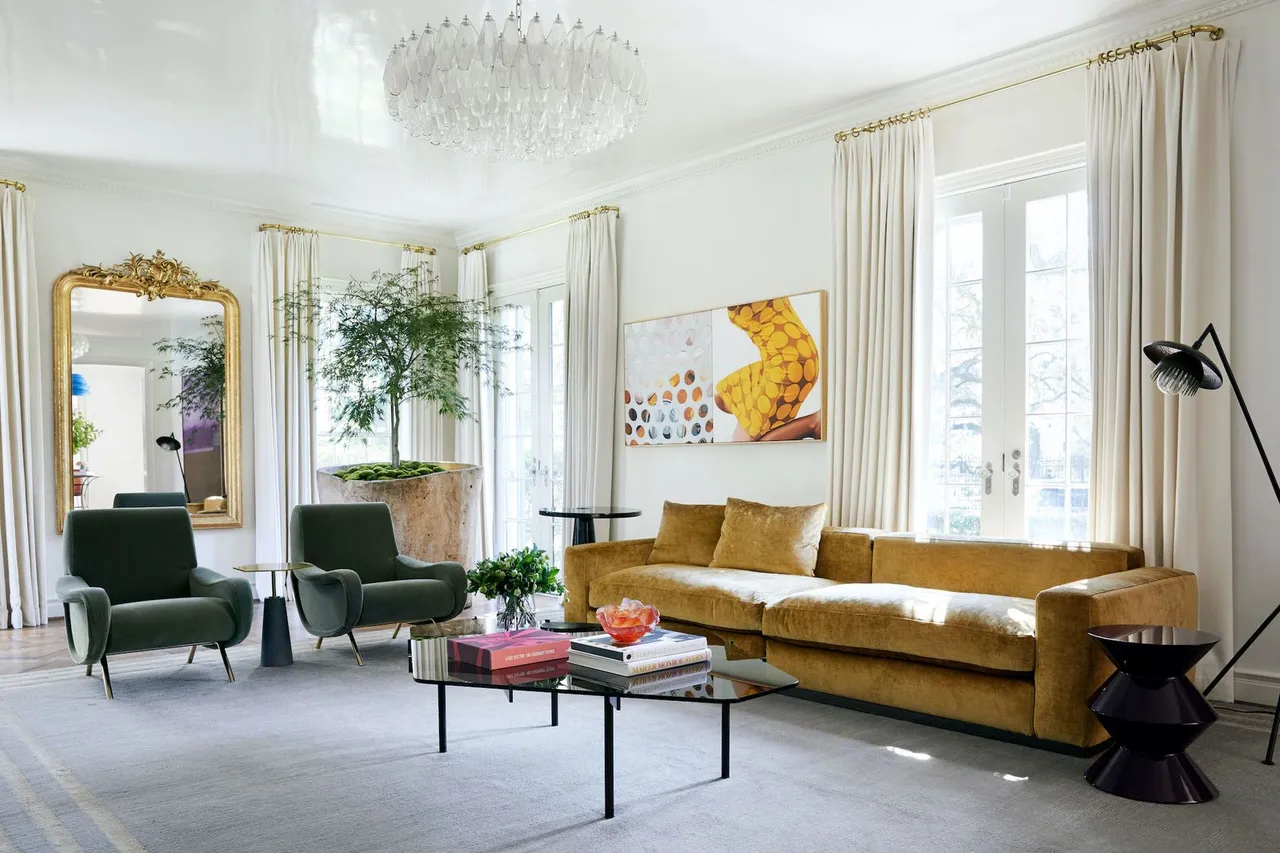 SaveSupport Non AI Creator
Source: livingetc.com.
A gold sofa and dark green chair stand in a bright room beside a large ornate mirror. Their differing shapes and finishes give the restrained setting character. Two green armchairs repeat one strong shape opposite the longer gold sofa, balancing variety with a little consistency. The ornate mirror and decorative ceiling fixture add detail above simpler dark tables and a restrained rug.
Let one decorative piece lead the room and keep smaller tables straightforward, so ornate details do not accumulate across every furniture surface. Choose a few repeated outlines or colors to organize furniture from different periods. Secure the large mirror correctly, and keep occasional tables proportionate to their seats so elaborate decorative pieces do not reduce the room’s everyday usability.
IDEA 19 / 20
Give a tall fireplace two patterned chairs
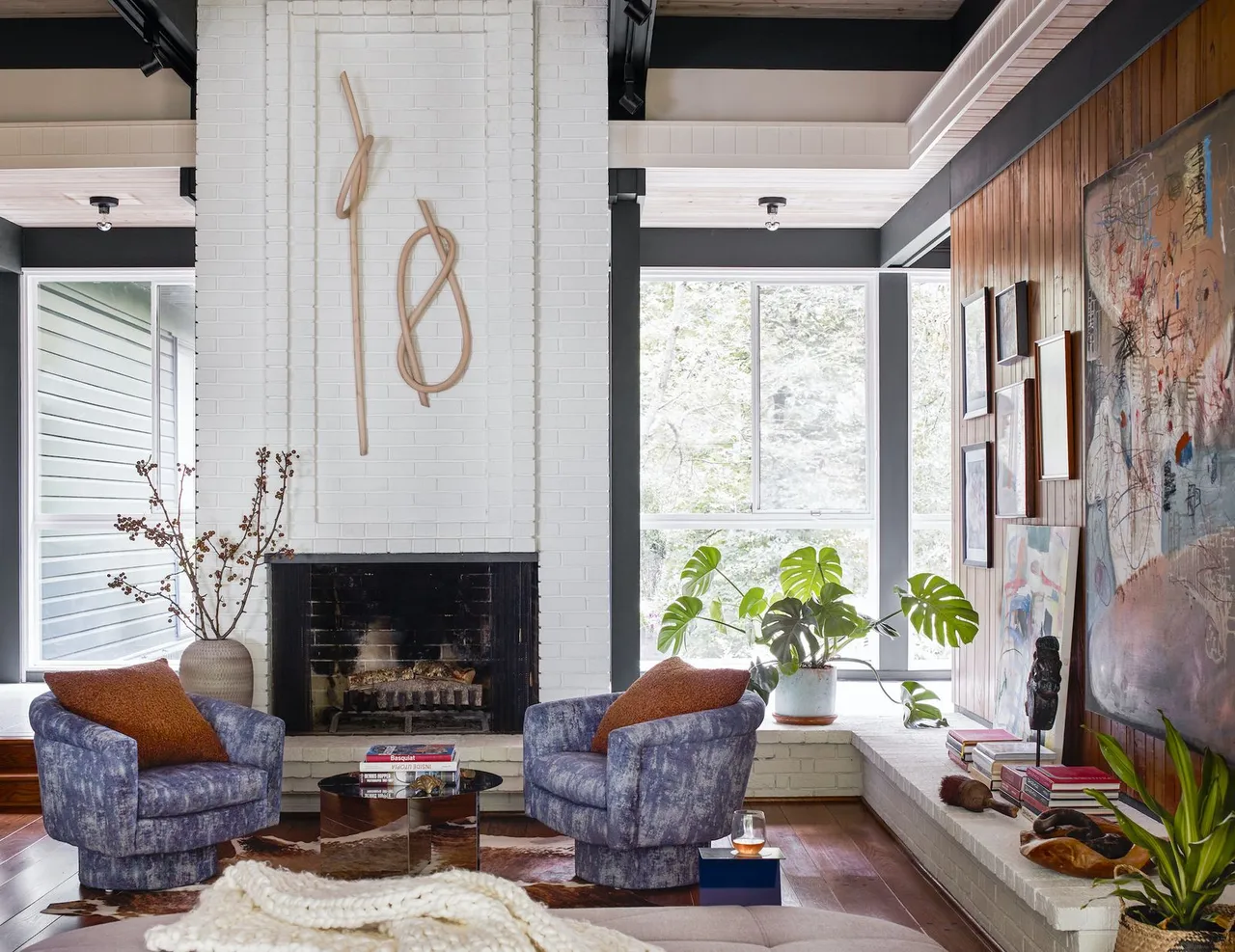 SaveSupport Non AI Creator
Source: livingetc.com.
Two patterned chairs face a low table beside a tall pale fireplace and a timber wall. The strong architecture organizes the room's different colors and surfaces. The pale brick chimney gives the pair of patterned chairs a large quiet backdrop. Warm cushions echo smaller tones in the timber wall and artwork, with a low table keeping the central group relatively open.
Check chair comfort before prioritizing the fabric and keep their arrangement open to the rest of the room, rather than isolating them as display pieces. Confirm the fireplace’s required clearance before choosing where the chair legs and rug will sit. Keep the approach open to the rest of the lounge, and use a reachable side surface if the small center table cannot serve both seats comfortably.
IDEA 20 / 20
Soften contrasting furniture with warm curtains
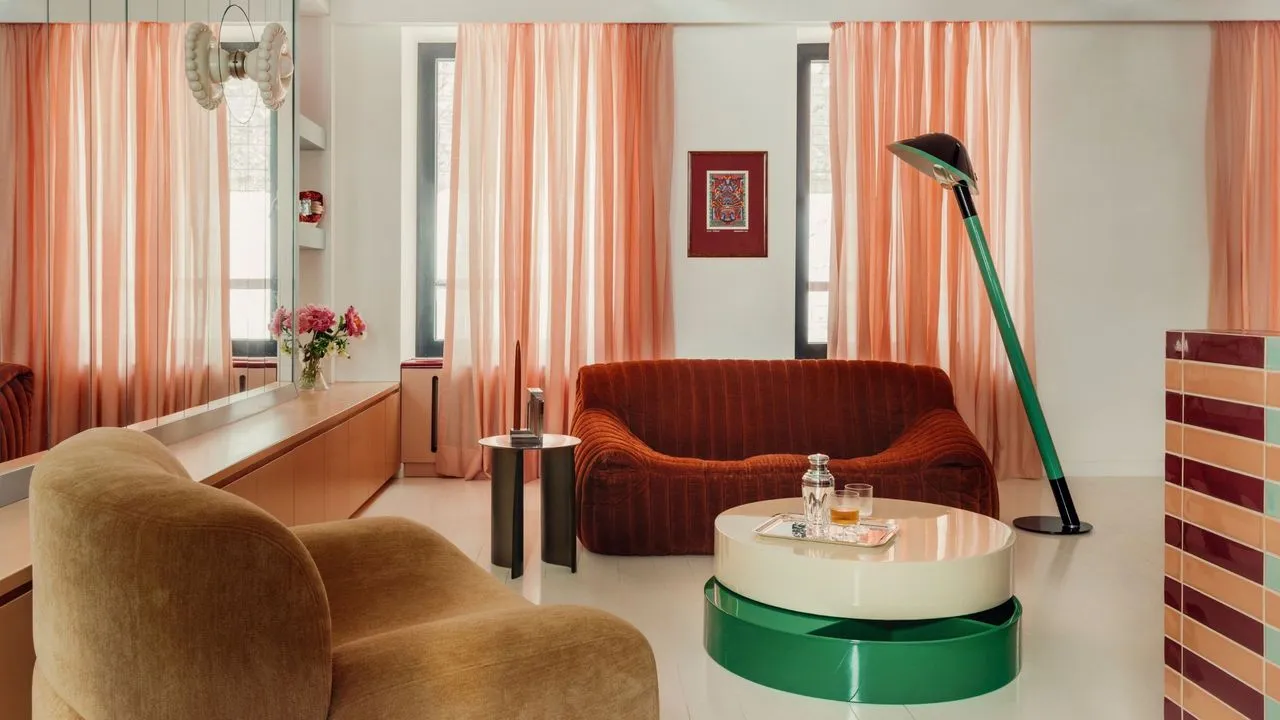 SaveSupport Non AI Creator
Source: livingetc.com.
Warm sheer curtains frame a room with red seating, a rounded chair and a green circular table. Their gentle color connects the bolder individual furniture pieces. Soft coral curtains echo the reddish sofa without matching its deeper upholstery exactly. A warm rounded chair and pale-topped green table add further individual shapes, while light walls keep the composition from feeling overly dense.
Test curtain fabric against daylight and evening lamps, and add suitable privacy layers where sheers alone would leave the room exposed after dark. Test the curtain color with sunlight passing through it as well as under evening lamps. Add an appropriate privacy layer if needed, and check that longer fabric stays clear of furniture feet and any heaters near the windows.
BRING IT ALL TOGETHER
Make it work in your home
Choose one element to connect the room: a repeated color, a generous rug or the scale of the furniture. That thread leaves room for individual pieces to retain their differences.
Edit the arrangement by sitting in it. A collected living room still needs reachable tables, comfortable light and walking routes that do not weave around every object.