A cozy dining room makes it comfortable to stay at the table after the plates are cleared. Supportive seats, lighting that suits the meal and enough room to move matter more than filling every corner with decorations.
These dining spaces show how different rooms can feel welcoming, from compact window nooks to larger tables beside the kitchen. Look at the seat cushions, curtains, rugs and wall colors together, then borrow the details that suit your household and the amount of cleaning you want to do.
PART 01
Start with warm surfaces and softer layers
IDEA 01 / 20
Soften a dark table with a generous patterned rug
 SaveSupport Non AI Creator
Image credit: Courtesy of Magnolia Network
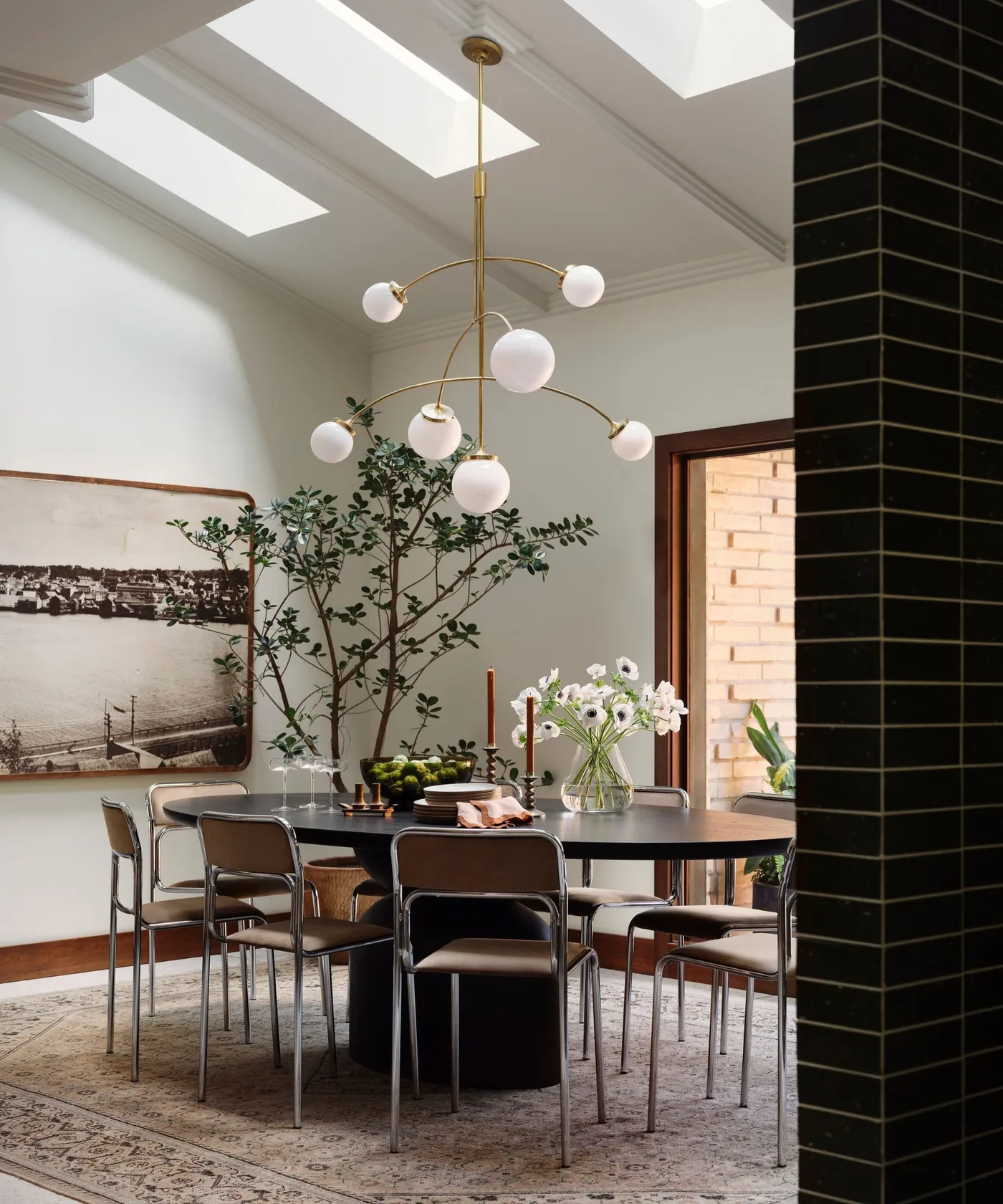
The dark oval table gives this dining area a strong center, while brown chairs introduce warmer tones around its curved edge. A generous pale patterned rug softens the floor beneath the group. Skylights and the tall plant keep the surrounding space bright, balancing the darker table and tiled column beside it.
Look at the whole seating area when choosing a dining rug, allowing chairs to move without repeatedly catching its edge. Compare the rug's cleaning instructions with your household's meals and spills. An oval table can soften the arrangement visually, but it still needs comfortable access around its ends and every occupied chair.
IDEA 02 / 20
Give a bench a soft layer without crowding it
 SaveSupport Non AI Creator
Image credit: Future PLC/James French
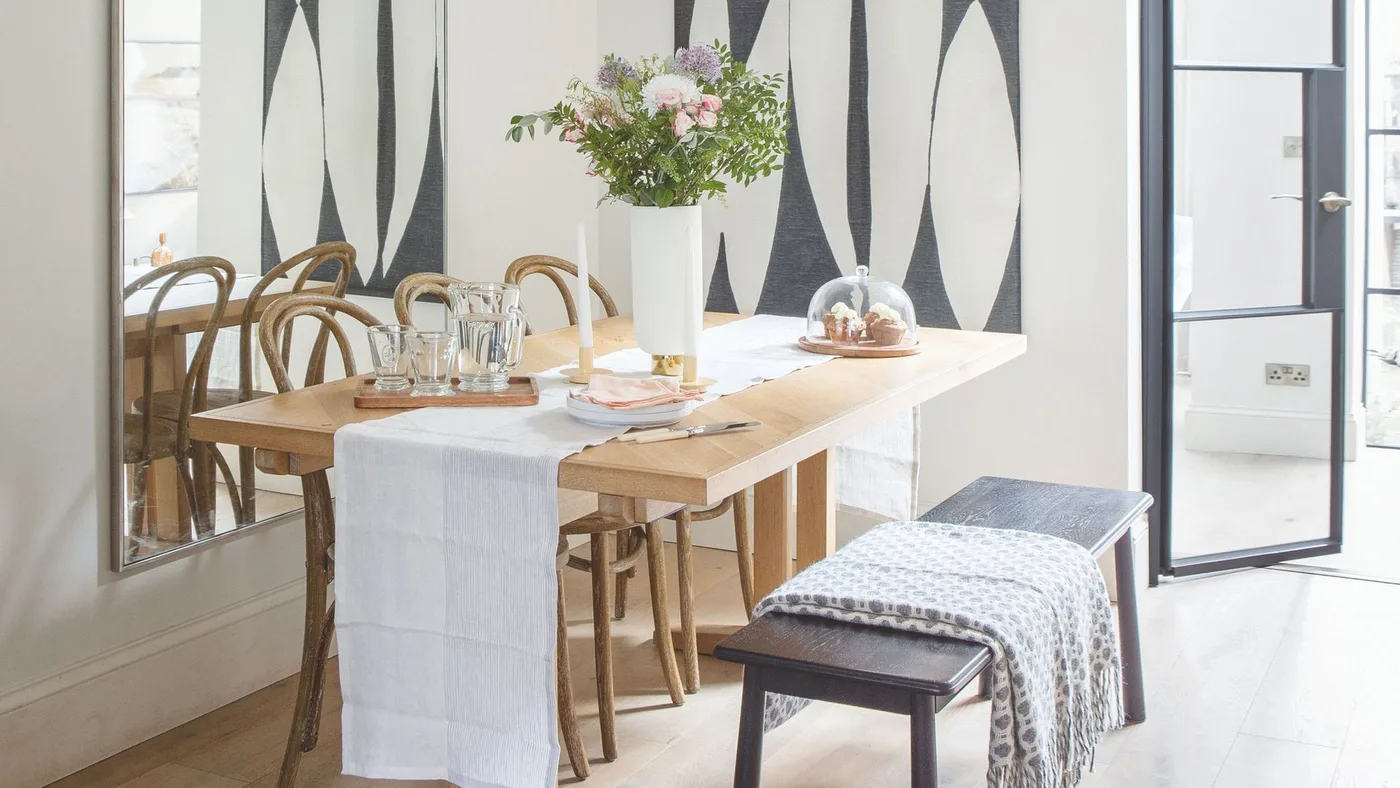
The pale wooden table and curved chairs create a light, straightforward dining arrangement. A dark bench gives one side a different outline, with a patterned throw adding a softer layer over its seat. The woven floor-lamp shade brings another texture to the corner without placing more objects on the table itself.
A bench can suit casual meals, though it offers different support from an individual chair. Test the seat height and reach to the table before choosing it. Keep loose fabric clear of the walking route, and consider a fitted, washable cushion if the bench is used regularly rather than relying on a slipping throw.
IDEA 03 / 20
Use a tablecloth to soften dark dining chairs
 SaveSupport Non AI Creator
Image credit: Future PLC/Katie Lee
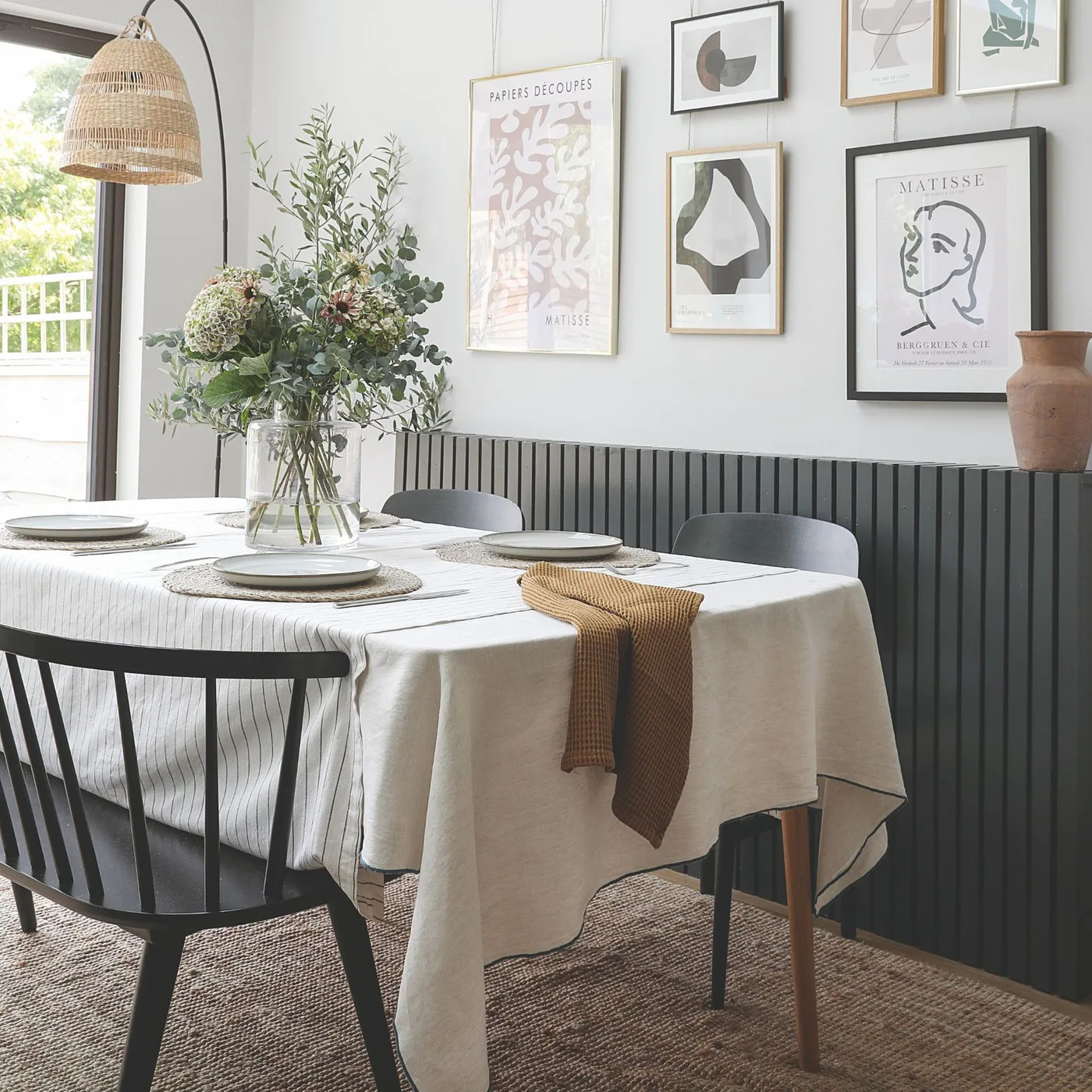
A white tablecloth softens the dining table between dark spindle-back chairs and the darker vertical feature along the lower wall. Several framed prints give the wall a collected feel, while the textured rug adds another quiet layer below. The arched floor lamp reaches toward the table without a lamp taking up its surface.
Choose a tablecloth that can cope with the meals you serve and the laundering routine you prefer. Check how far the fabric hangs around chair arms and knees before committing to a size. A floor lamp should have a stable position and a safely routed cable that does not cross the main path to the table.
IDEA 04 / 20
Make a bright roof-lit dining area feel softer
 SaveSupport Non AI Creator
Image credit: Future PLC/James French
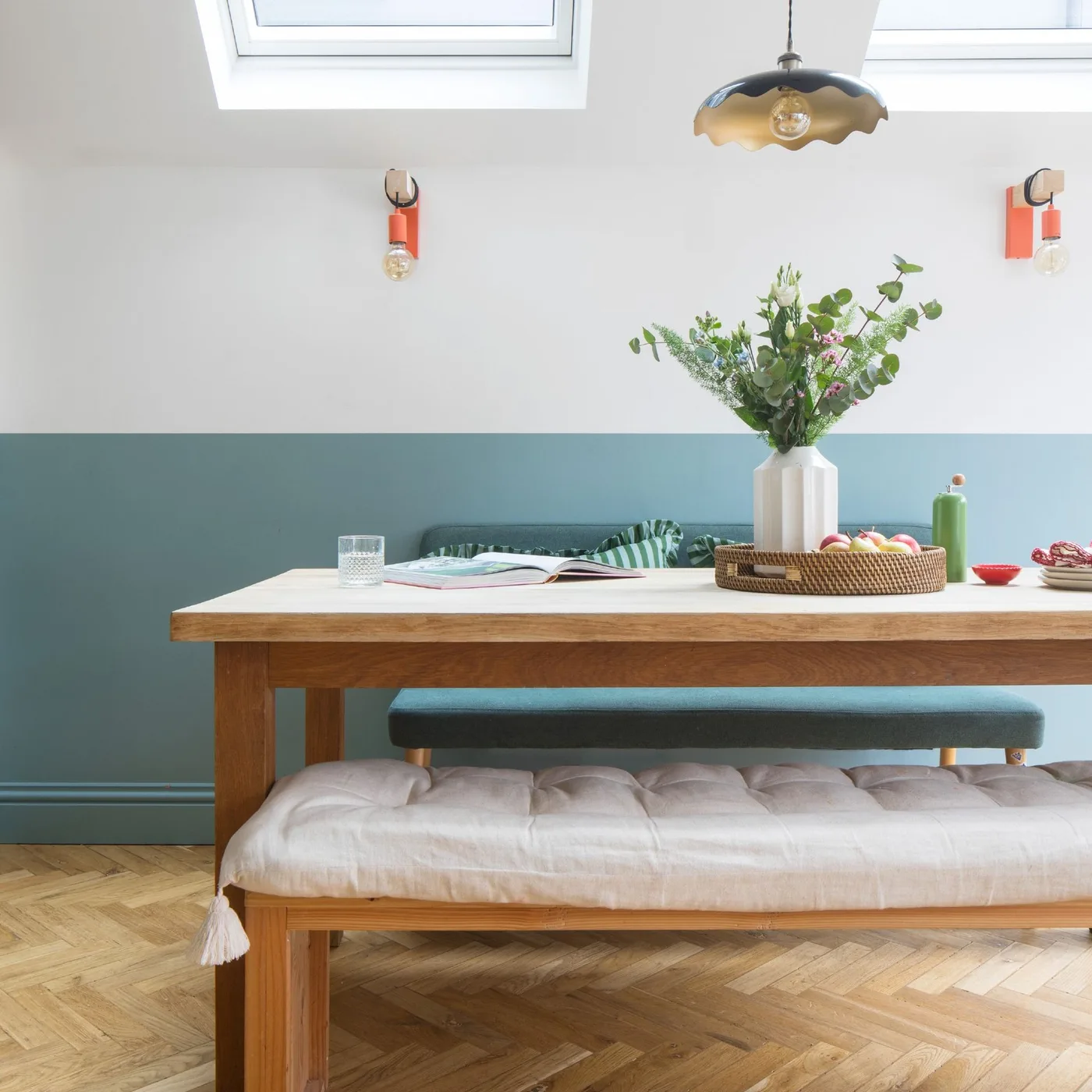
Roof windows bring light across the pale wooden table, while upholstered benches add softer surfaces along its sides. The blue and white walls give the room color without surrounding the table in one dark tone. A scalloped dark pendant provides a defined shape above the arrangement, contrasting with the quieter seating below.
Daylight can make a dining corner pleasant, but meals after dark still need useful lighting. Check that the pendant illuminates the table without glaring into seated eyes. Choose bench upholstery with a realistic cleaning plan, and test whether everyone can get in and out without another person needing to leave their seat.
IDEA 05 / 20
Bring warmth to a simple table with a pleated shade
 SaveSupport Non AI Creator
Image credit: Future PLC/Adam Carter
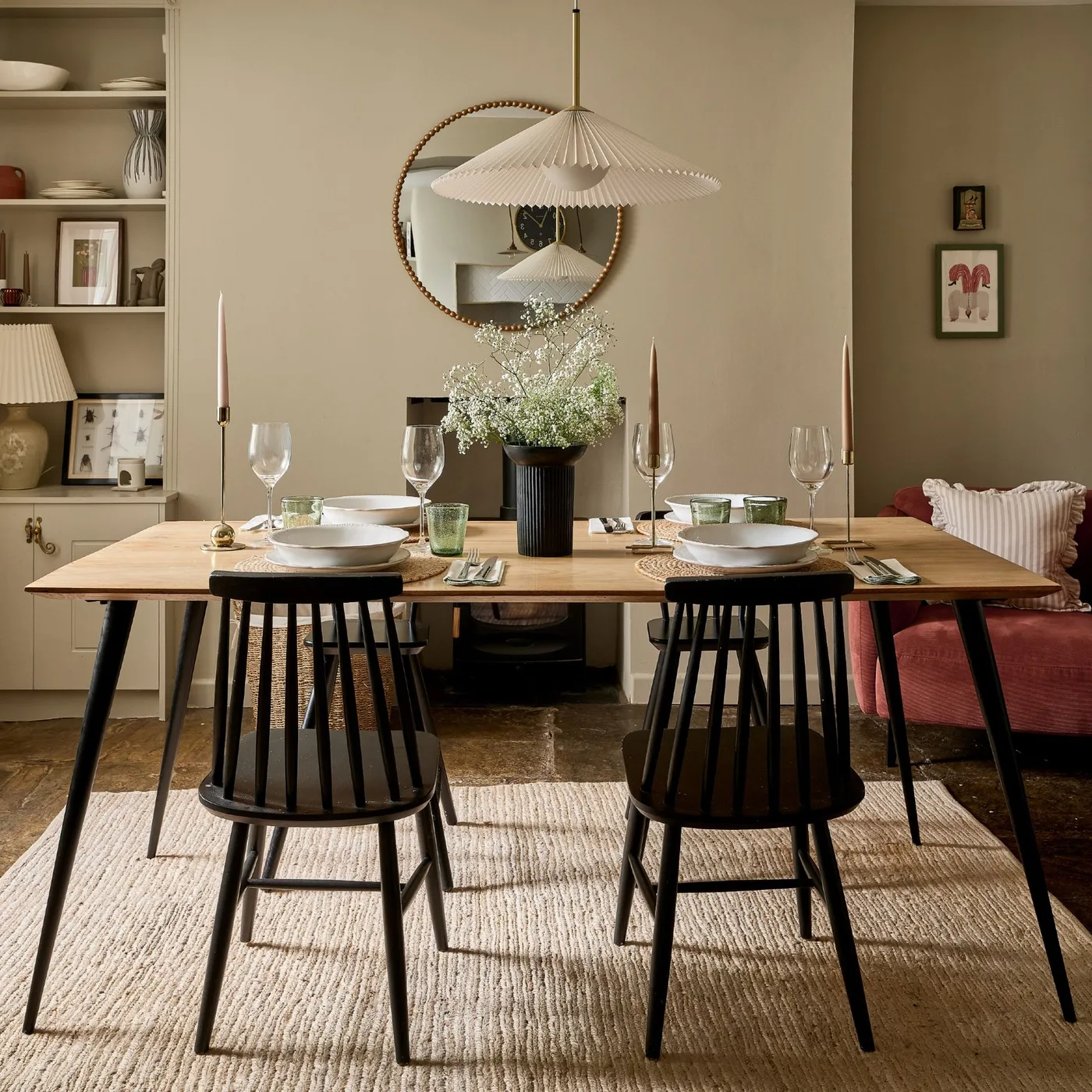
Warm beige walls surround the wooden table and dark spindle-back chairs, giving the dining area a softer backdrop than bright white alone. The pale pleated pendant adds texture overhead. A round mirror and the pink armchair beyond the table repeat gentler shapes, while the open shelf keeps a few objects within easy view.
Compare a warm wall color with the floor and furniture in both daylight and evening light. A pleated shade needs an accessible cleaning routine and an appropriate light source for its fitting. Keep decorative shelves separate from the space needed for serving dishes, so the dining table remains useful when the room is occupied.
PART 02
Make color comfortable to live with
IDEA 06 / 20
Let a deep wall color anchor a soft table setting
 SaveSupport Non AI Creator
Image credit: Future PLC/James French
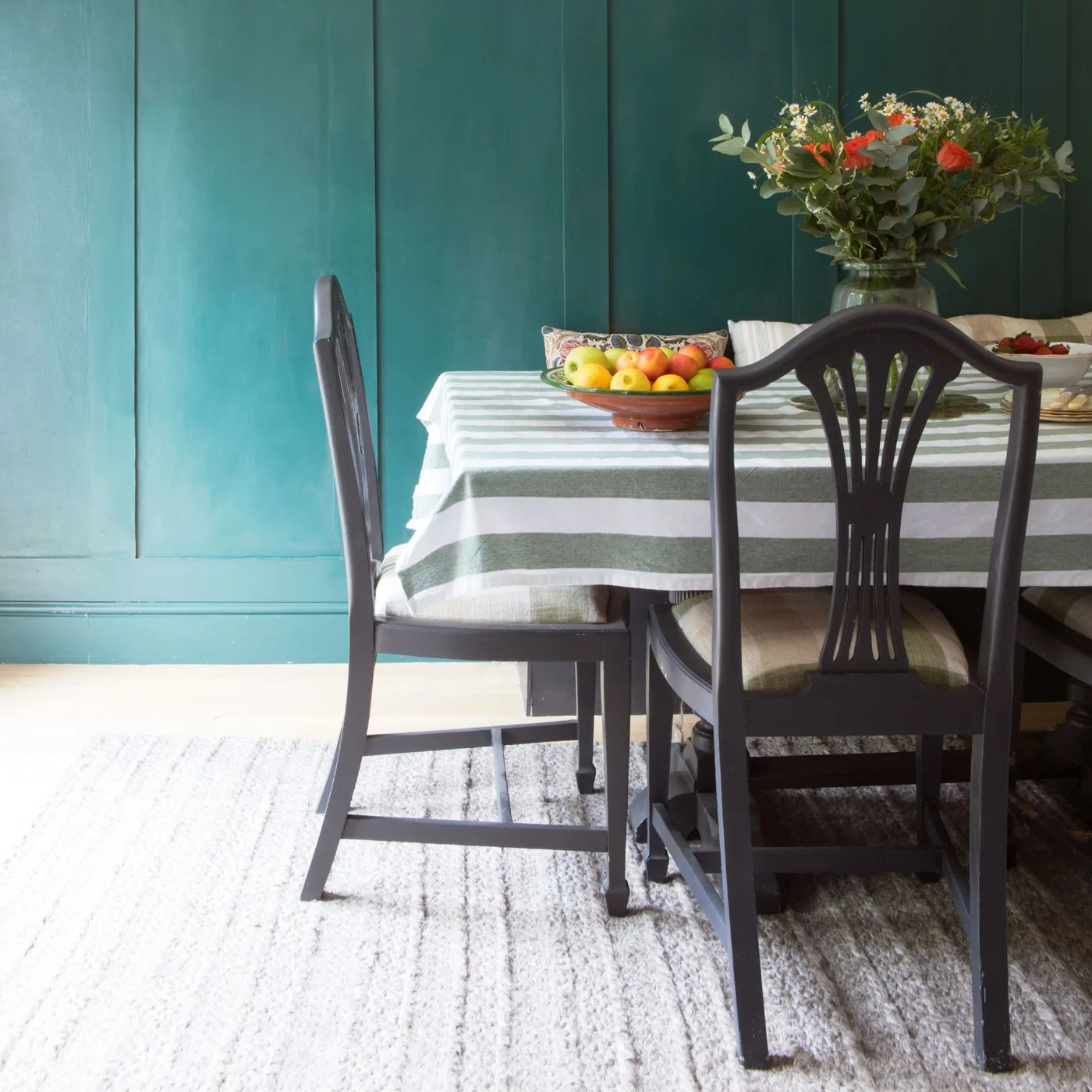
Deep teal paneling provides a rich backdrop for the striped tablecloth and dark curved chairs. The pale rug keeps the floor lighter, so the color feels concentrated on the wall rather than every surface. Flowers add a small lively detail on the table, with the repeated stripes giving the cloth a clear, orderly pattern.
A deeper wall color works best when you also consider the light available during your usual mealtimes. Try a sample beside the furniture before painting the whole room. Keep flowers low enough for comfortable conversation across the table, and choose cloth and rug care requirements that suit frequent use rather than occasional photographs.
IDEA 07 / 20
Wrap a small round table in gentle peach tones
 SaveSupport Non AI Creator
Image credit: Future PLC/Carolyn Barber
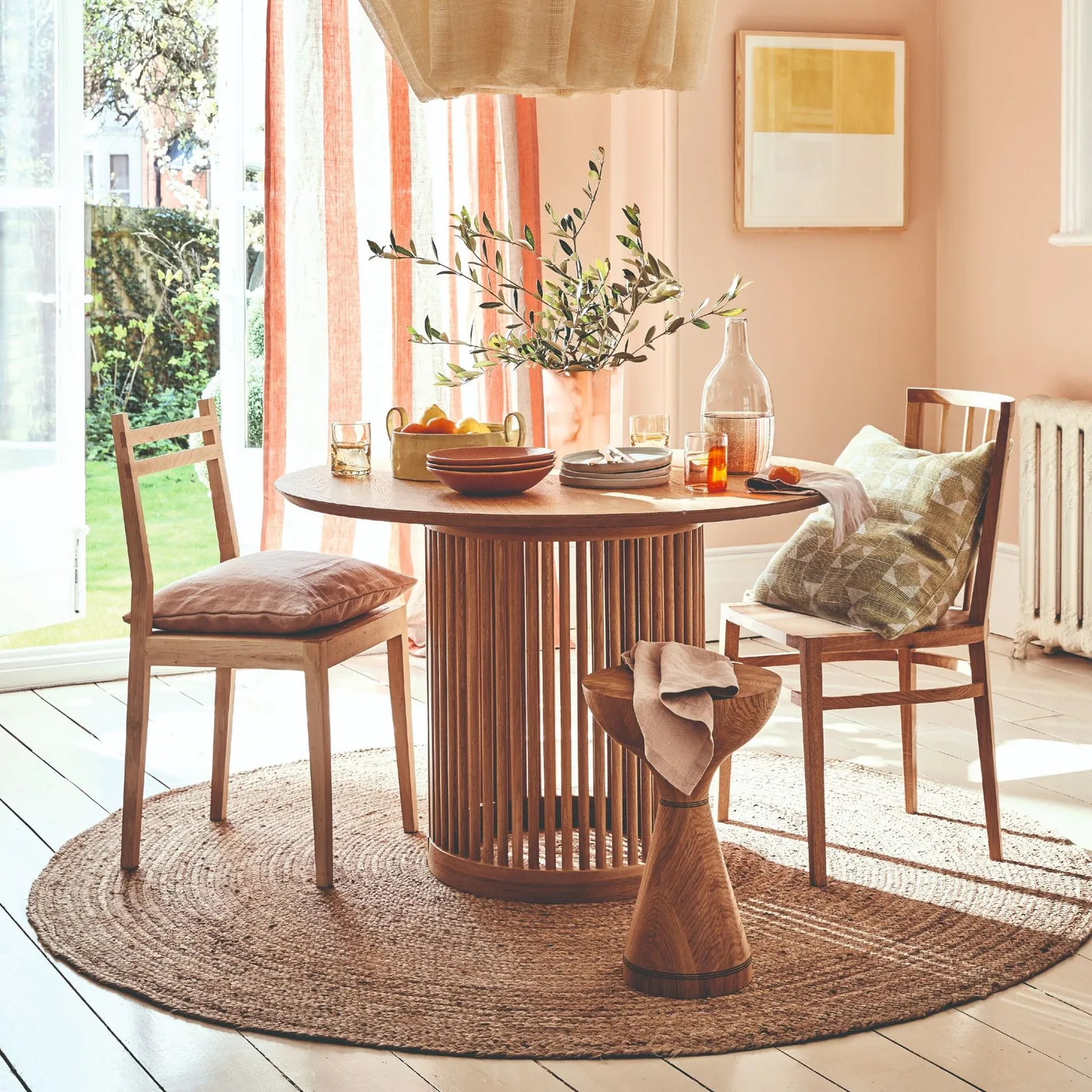
Peach walls and striped curtains give this compact dining corner a gentle surrounding color. The round wooden pedestal table sits on a similarly rounded woven rug, with seat cushions softening the slim chairs. A pale pendant shade keeps the overhead detail quiet, allowing the warmer wall and wood tones to carry the room.
A round table can make a small seating group feel connected, but check the usable surface for the meals you actually serve. Test the chairs with cushions in place, since extra padding changes the sitting height. Keep the rug flat and check its position when the chairs are pulled back, especially beside the window.
IDEA 08 / 20
Use warm wood to connect dining with a colorful kitchen
 SaveSupport Non AI Creator
Image credit: Future PLC/Adelina Iliev
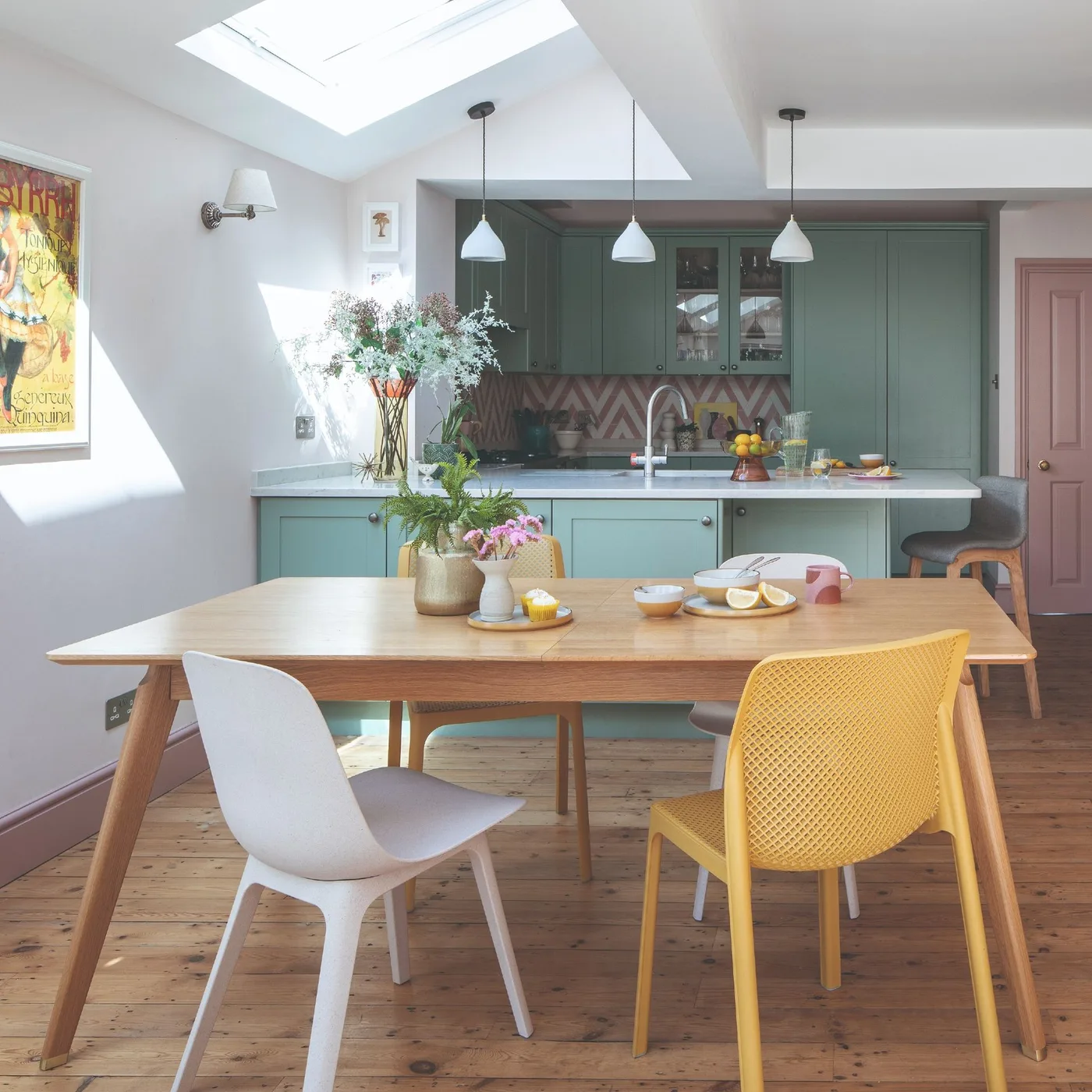
The wooden dining table brings a warm surface into the colorful open kitchen. Yellow and white chairs make the seating varied without adding several competing furniture shapes. The green cabinetry and pink door provide most of the stronger color around it, while roof light and pale pendants keep the table area bright and open.
In a shared kitchen and dining room, choose chair colors alongside the larger cabinetry rather than in isolation. Mixed chairs still need comfortable seat heights around the same table. Leave a clear path for carrying food from the kitchen, and keep the table's everyday setting simple enough to move when more serving space is needed.
IDEA 09 / 20
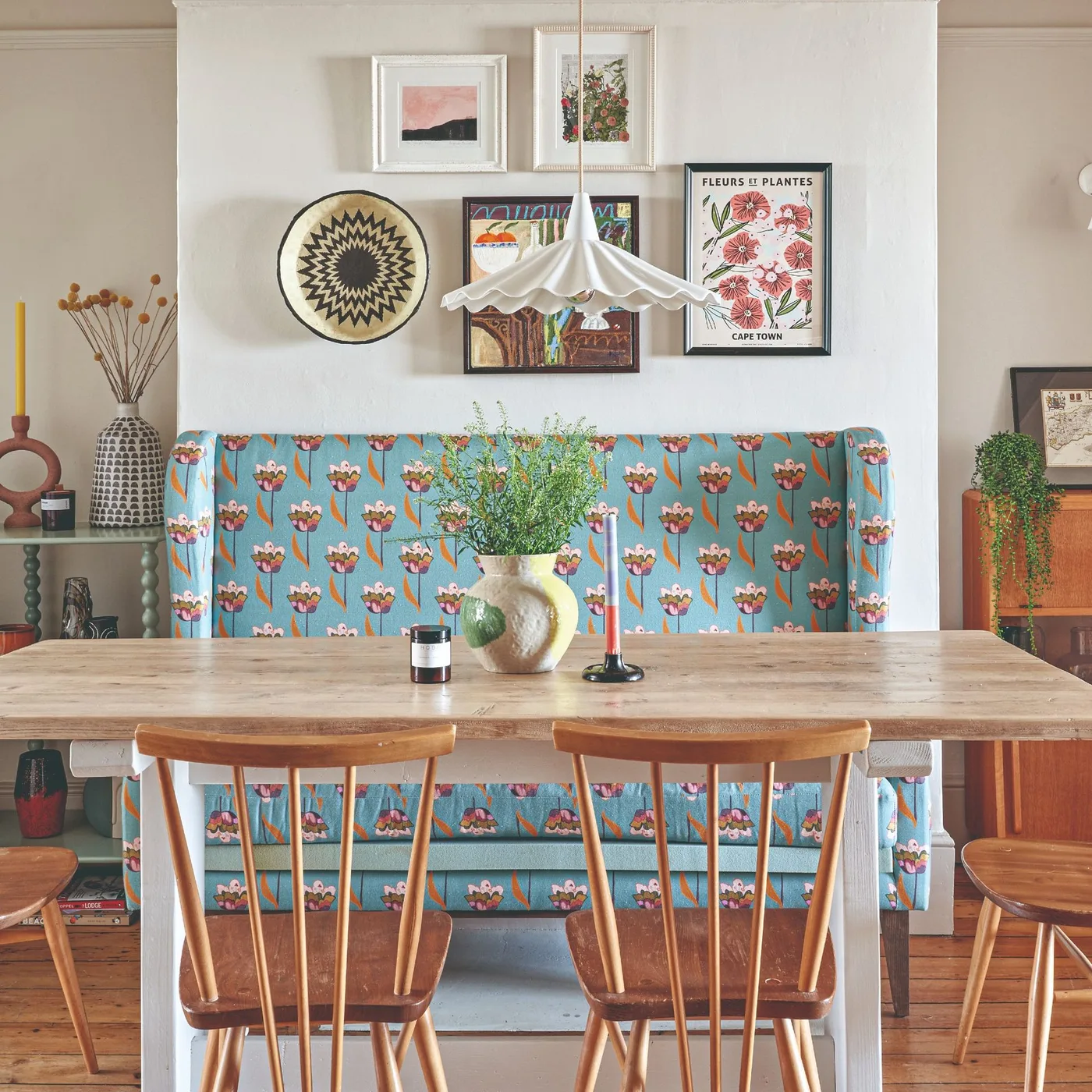
Make a floral banquette the softest feature
 SaveSupport Non AI Creator
Image credit: Future PLC
The blue floral banquette gives this dining nook its main pattern and soft surface. Bare wooden chairs and a round wooden table keep the other furniture quieter. Several framed pictures form a small collection above the seat, while the pale pleated pendant introduces another texture without competing with the banquette's floral fabric.
Before choosing a patterned upholstered seat, check how its fabric can be cleaned after food spills. Test the banquette depth against the table so people can sit back comfortably while still reaching a plate. Hang pictures securely and leave the table useful for meals rather than filling its smaller surface with permanent decorative pieces.
IDEA 10 / 20
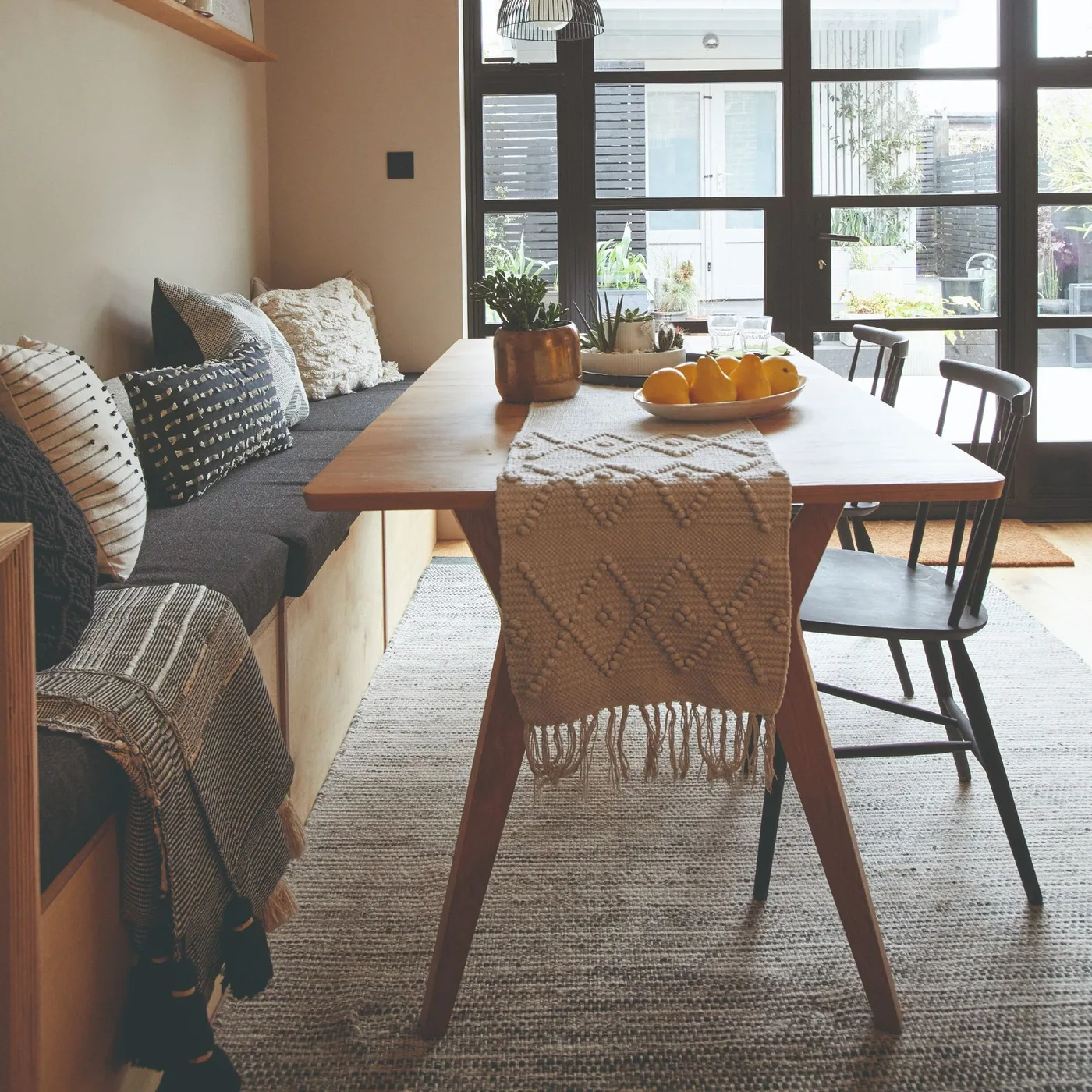
Give a dark banquette a few lighter cushions
 SaveSupport Non AI Creator
Image credit: Future PLC/David Woolley
The charcoal banquette creates a comfortable-looking long seat beside the wooden table. Patterned cushions and a pale textured runner lighten the darker seating and bring smaller layers into the arrangement. Dark spindle-back chairs repeat the glazed doors' outlines, while the pale rug keeps the table group distinct from the surrounding warm floor.
Cushions are useful only if they leave enough seat depth for people to sit comfortably. Choose removable covers where practical and avoid a row that must be removed before every meal. Check chair movement along the rug edges and leave access to the glazed doors, including space needed for their handles and opening swing.
PART 03
Give the seats as much attention as the table
IDEA 11 / 20
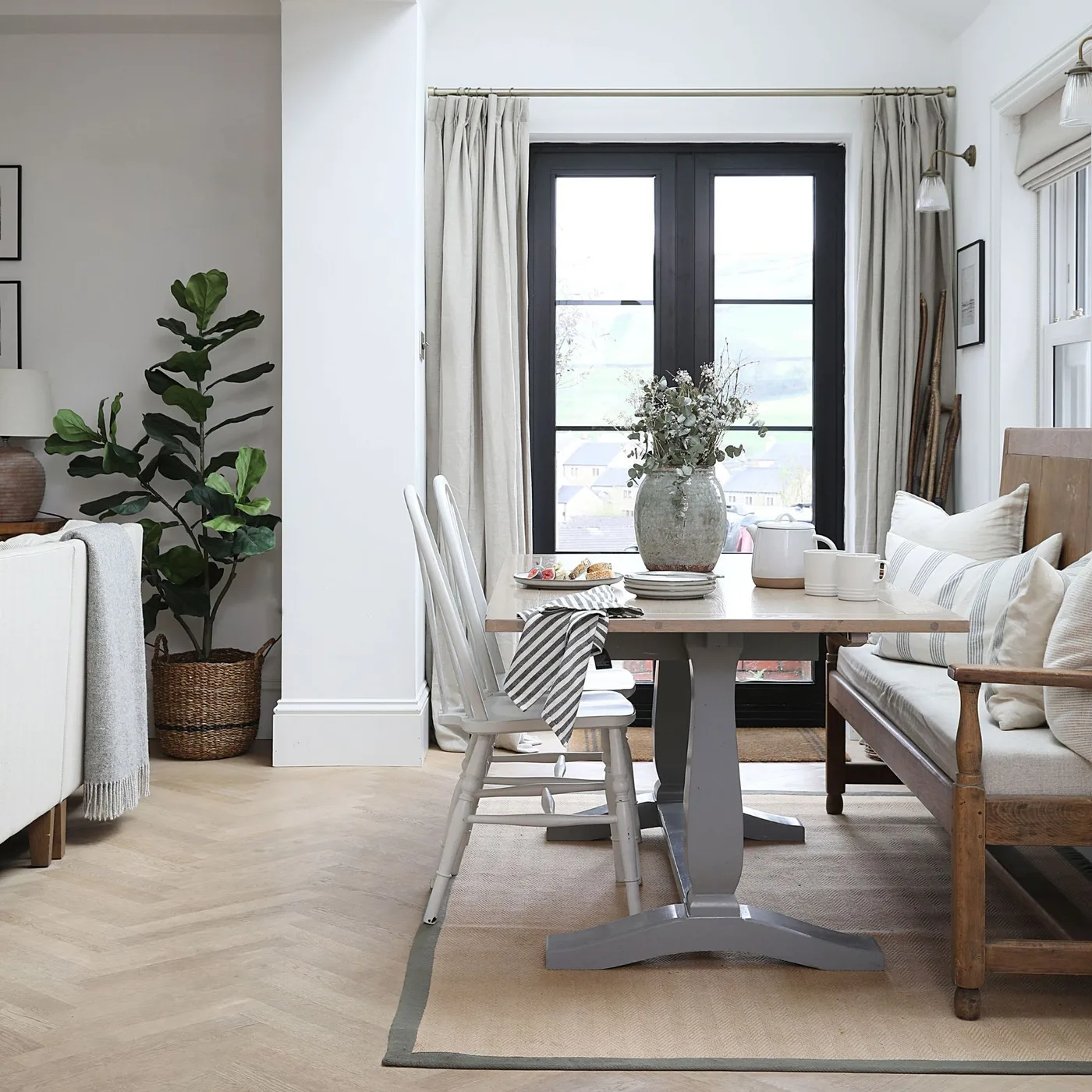
Soften an open dining group with an upholstered bench
 SaveSupport Non AI Creator
Image credit: Future PLC/Katie Lee
A pale upholstered bench introduces a softer seat beside the large wooden table, with white chairs keeping the remaining outlines light. Cushions and the rug bring the dining area closer in feel to the adjoining living space. Long curtains soften the dark-framed doors, helping both uses of the room feel visually connected.
Shared living and dining rooms need clear routes that work while chairs are occupied. Place the table using those routes, then add the rug and other layers. A bench may suit children or casual meals, but check its support and access for your household rather than choosing it only because it matches the sofa area.
IDEA 12 / 20
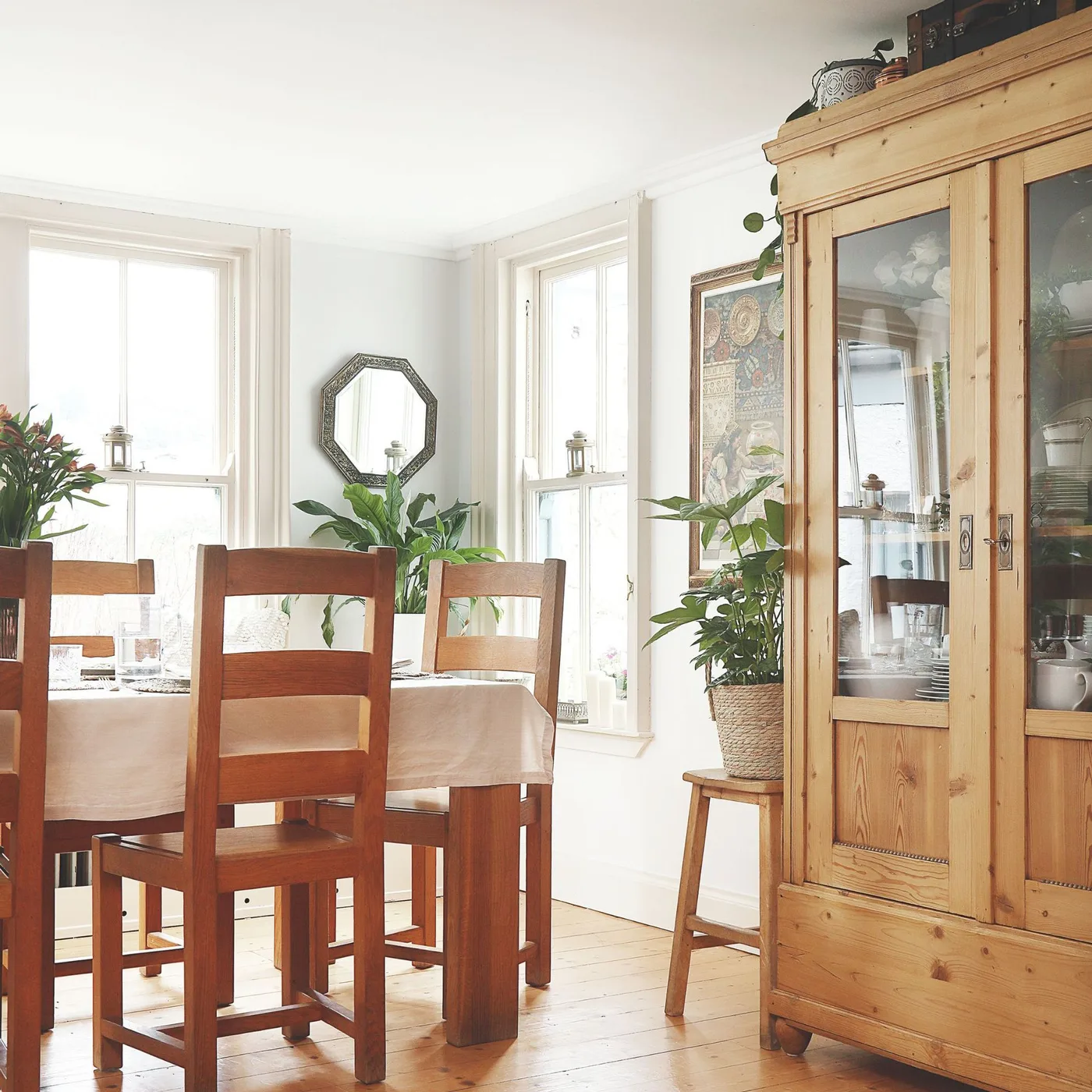
Use a wooden dresser to make dining feel familiar
 SaveSupport Non AI Creator
Image credit: Future PLC/Katie Lee
The tall wooden dresser gives this dining room a familiar furniture backdrop, with dishes and objects visible behind its glazed doors. A white cloth softens the table between the wooden chairs. Plants and daylight from two windows add freshness, while the framed mirror supplies another wall detail without covering the room in smaller decorations.
A dresser is most helpful when it stores things used near the table, such as serving bowls or everyday glasses. Secure tall furniture appropriately and keep frequently used items within comfortable reach. Choose the tablecloth for regular washing, and leave the dresser doors enough opening space even when the nearest dining chair is occupied.
IDEA 13 / 20
Round off a corner with a curved blue banquette
 SaveSupport Non AI Creator
Image credit: Future PLC/BRENT DARBY
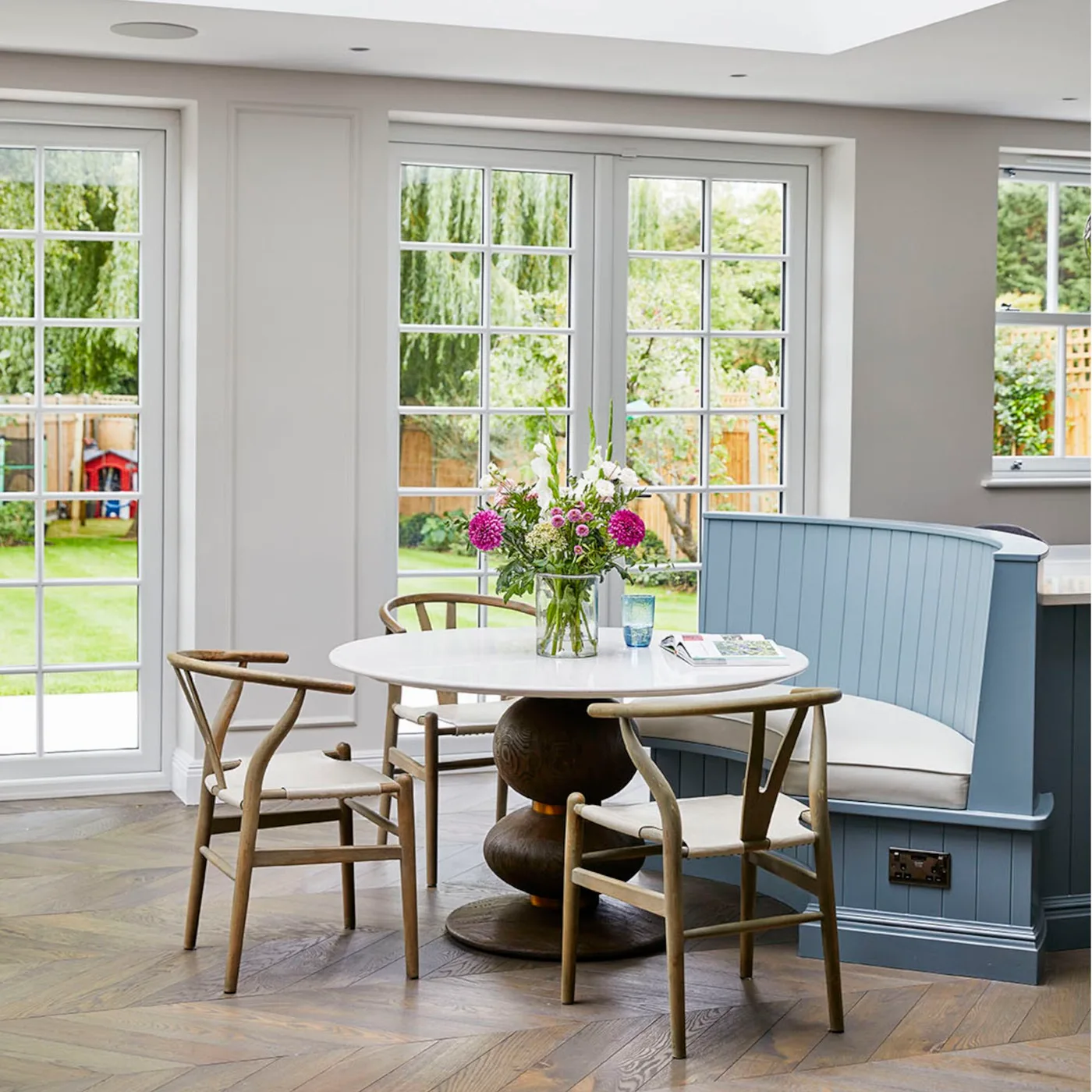
The curved blue banquette wraps around the round white table, giving this corner one continuous upholstered seat. Pale cushions break up the blue without covering it completely. Wooden chairs add warmer outlines opposite the bench, while the glazed doors keep the small dining group connected with the light beyond the room.
A curved banquette and a round table need to work together in practice, not only look similar in shape. Check the reach to the tabletop from different positions along the seat. Keep cushions from pushing people too far forward, and allow a clear route past the chairs to the doors when the nook is in use.
IDEA 14 / 20
Let a hearth wall bring character to the table
 SaveSupport Non AI Creator
Image credit: Future PLC / Katie Lee
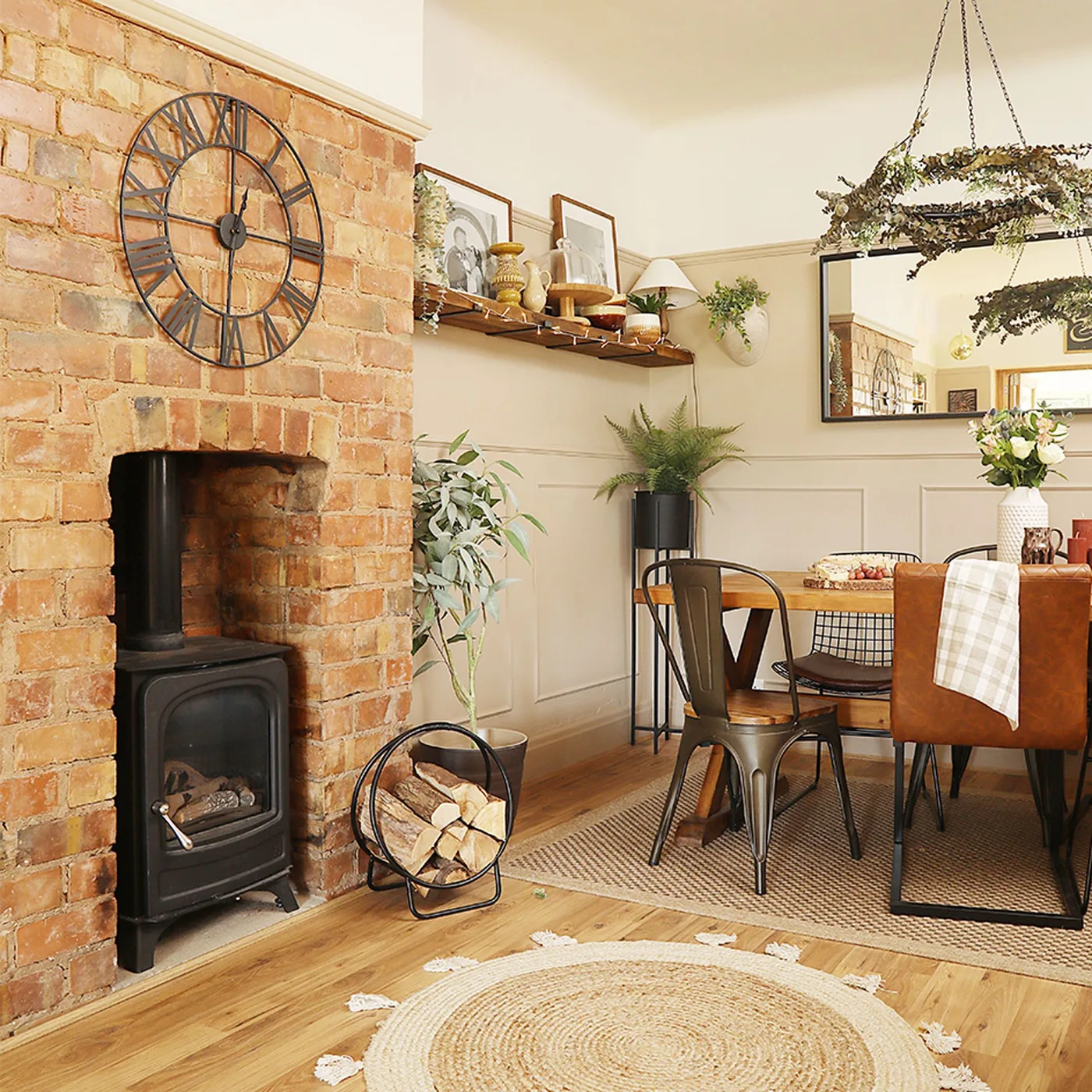
The exposed brick hearth and dark stove give this dining room a strong point of character beside the wooden table. Mixed chairs keep the arrangement informal, with a woven rug adding texture underfoot. Pale wall details and greenery soften the surroundings, while the hanging chandelier gives the table a separate overhead focal point.
Where a stove or fireplace is used, follow its required clearances before deciding where furniture, rugs or decorations can sit. Treat the hearth as part of the room's practical layout. Choose mixed chairs that work with the table height, and keep the seating arrangement easy to clean after regular meals and busy gatherings.
IDEA 15 / 20
Choose padded chairs for a gentle blush dining corner
 SaveSupport Non AI Creator
Image credit: Future PLC/Chris Snook
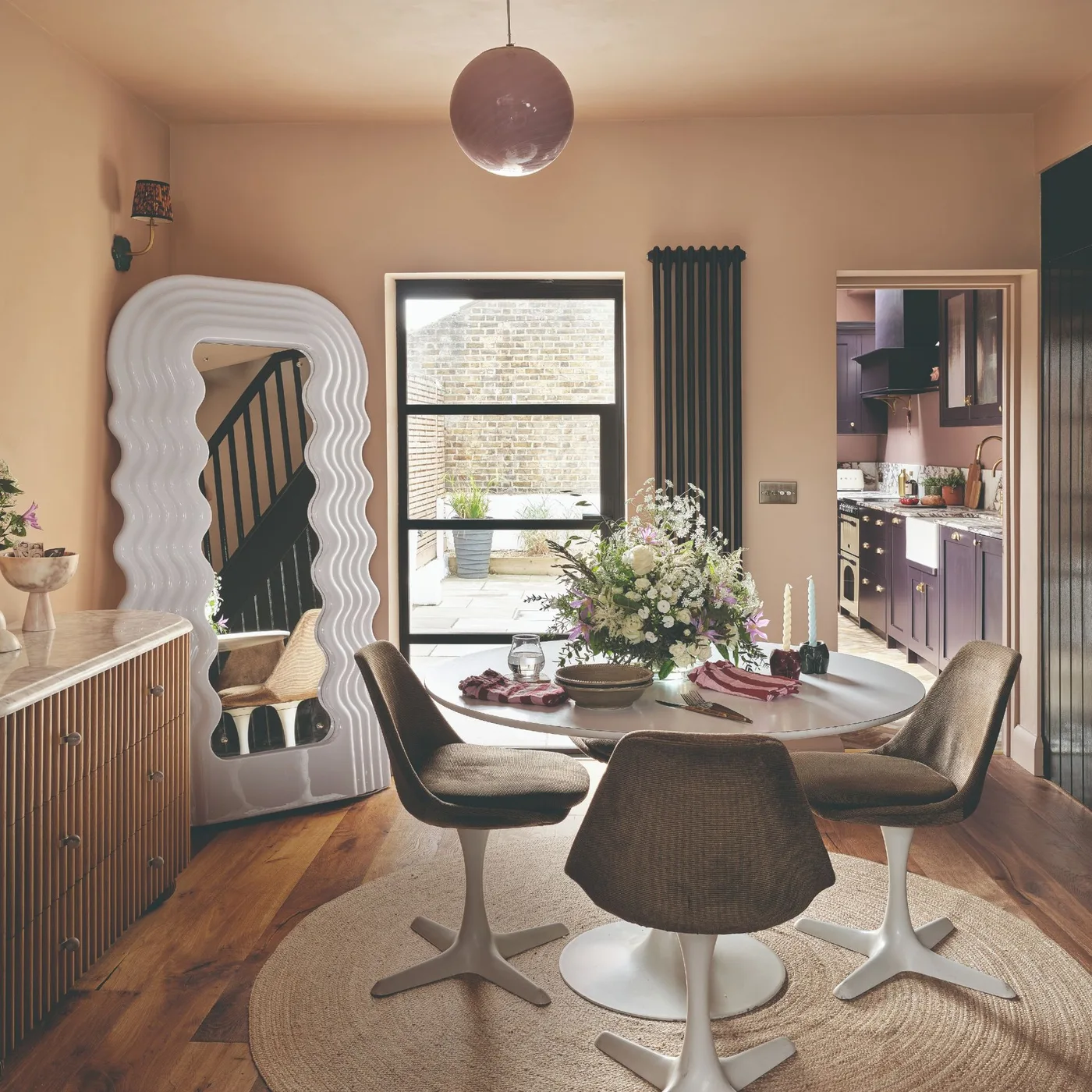
Gray upholstered chairs add soft seating around the white table, with blush walls warming the compact dining corner. A round woven rug repeats the tabletop's shape beneath the group. The wavy mirror and ribbed wooden sideboard provide different textures at the room's edge, keeping most of the table surface open for use.
Try upholstered chairs for comfort and check the cleaning guidance before buying several of them. Their backs and arms can take more space than slim wooden chairs, so measure movement around the table. Secure a tall mirror appropriately and leave access to the sideboard without needing to shift the entire dining arrangement.
PART 04
Make everyday dining corners welcoming
IDEA 16 / 20
Give a corner bench useful storage and comfortable cushions
 SaveSupport Non AI Creator
Image credit: Future PLC
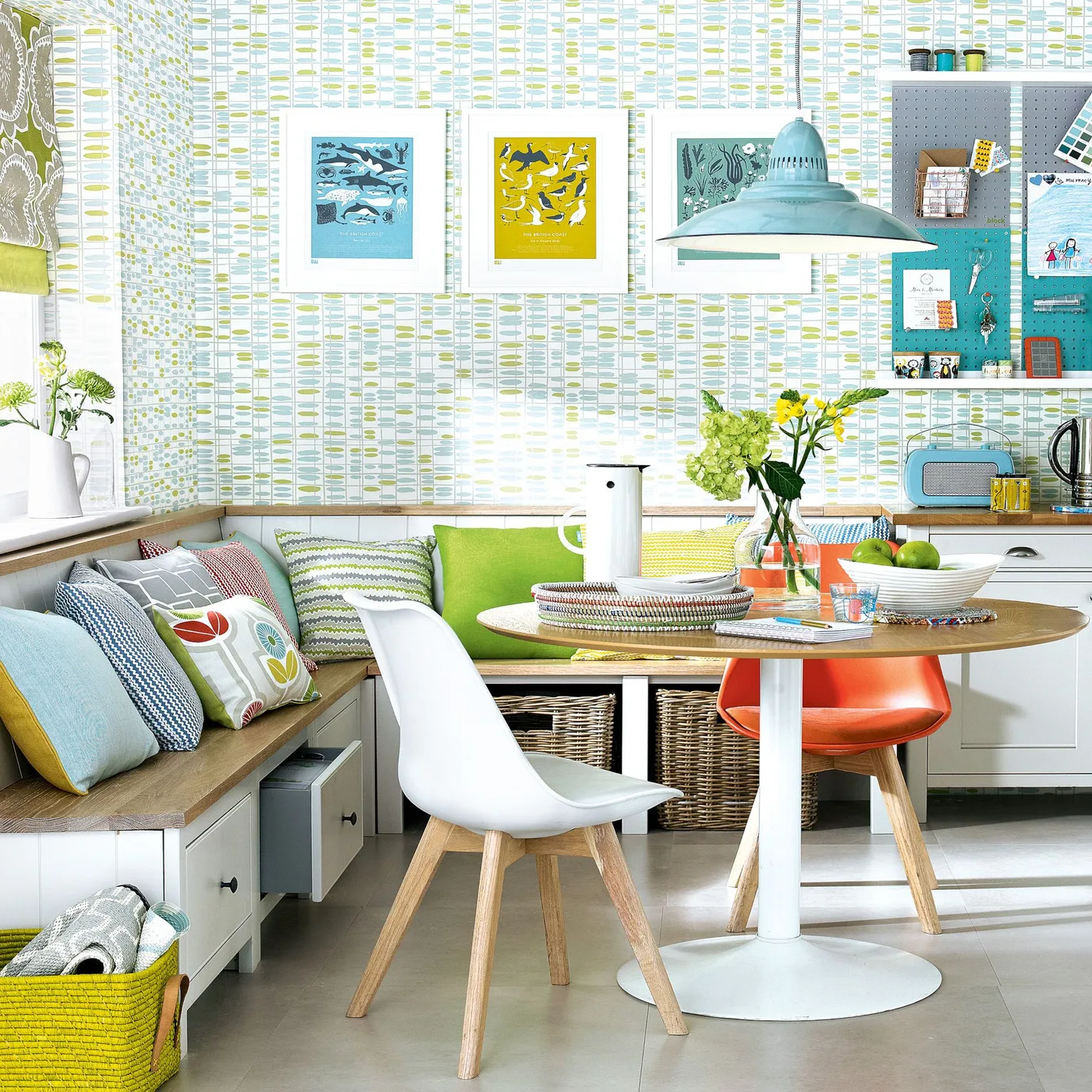
The corner bench combines cushioned seating with drawers and a basket underneath, making this dining nook useful beyond mealtimes. A round wooden pedestal table gives the seat a softer central shape. Green patterned walls, colorful prints and the blue-green pendant create a lively setting, while the cushions offer a quieter mix of gray and green.
Bench storage works best when it can be opened without moving too much furniture. Decide which drawers hold everyday items and which can be accessed less often. Keep the seat cushions manageable for cleaning and check the tabletop's reach from the corner position, where a person may sit farther from its edge than expected.
IDEA 17 / 20
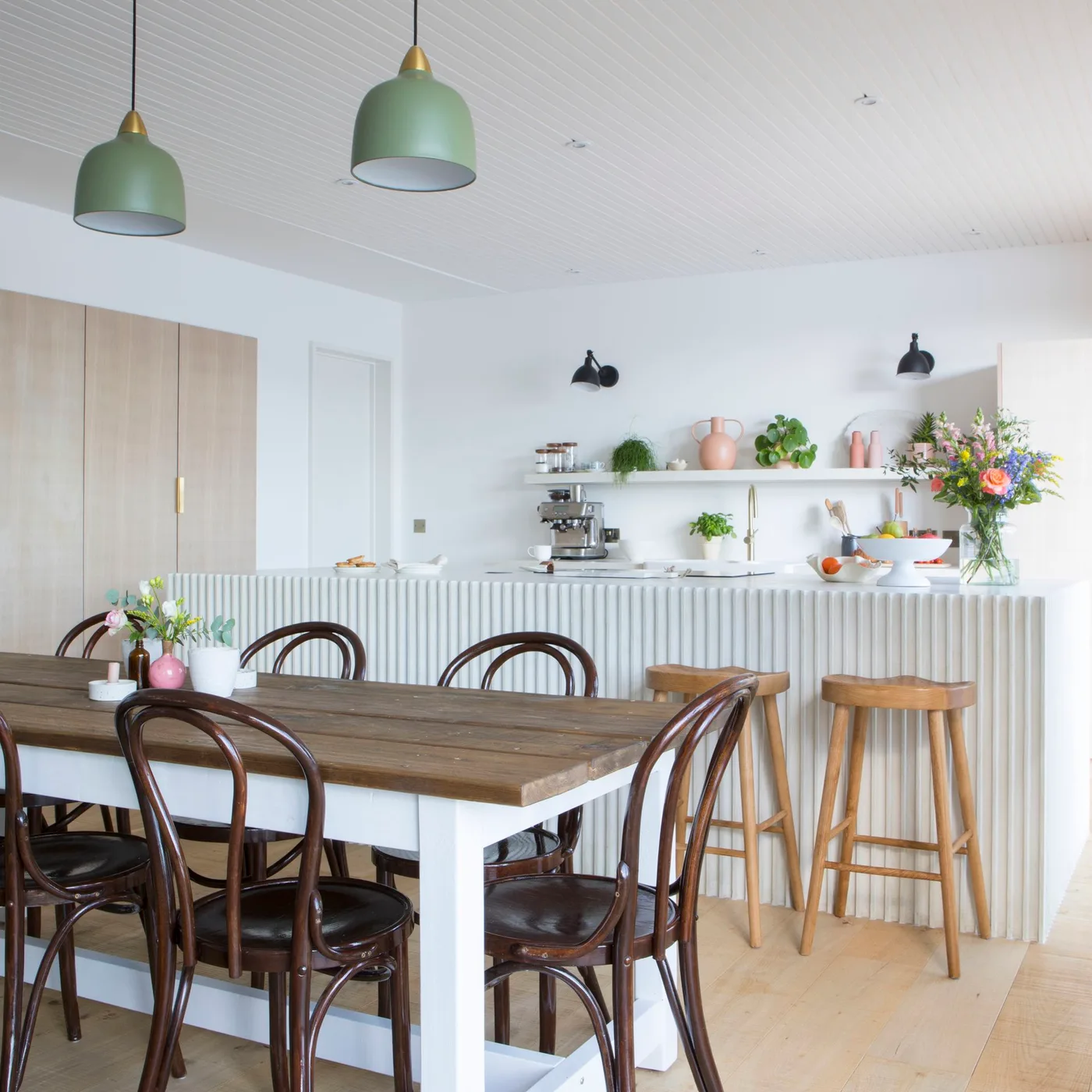
Link a dining table with the kitchen through warm surfaces
 SaveSupport Non AI Creator
Image credit: Future PLC/James French
The wooden tabletop and warm floor connect this dining area with the adjacent pale kitchen island. Dark curved chairs give the table a clearer outline, while the green pendant shades introduce a small amount of color overhead. The largely open surfaces leave room for everyday meals without a separate collection of decorative furniture.
In an open kitchen, prioritize space for carrying food and moving between occupied chairs and the island. A warm palette can make a straightforward arrangement welcoming without extra layers on every surface. Check the tabletop's care instructions and keep lighting controls accessible so the dining area can feel comfortable after kitchen tasks are finished.
IDEA 18 / 20
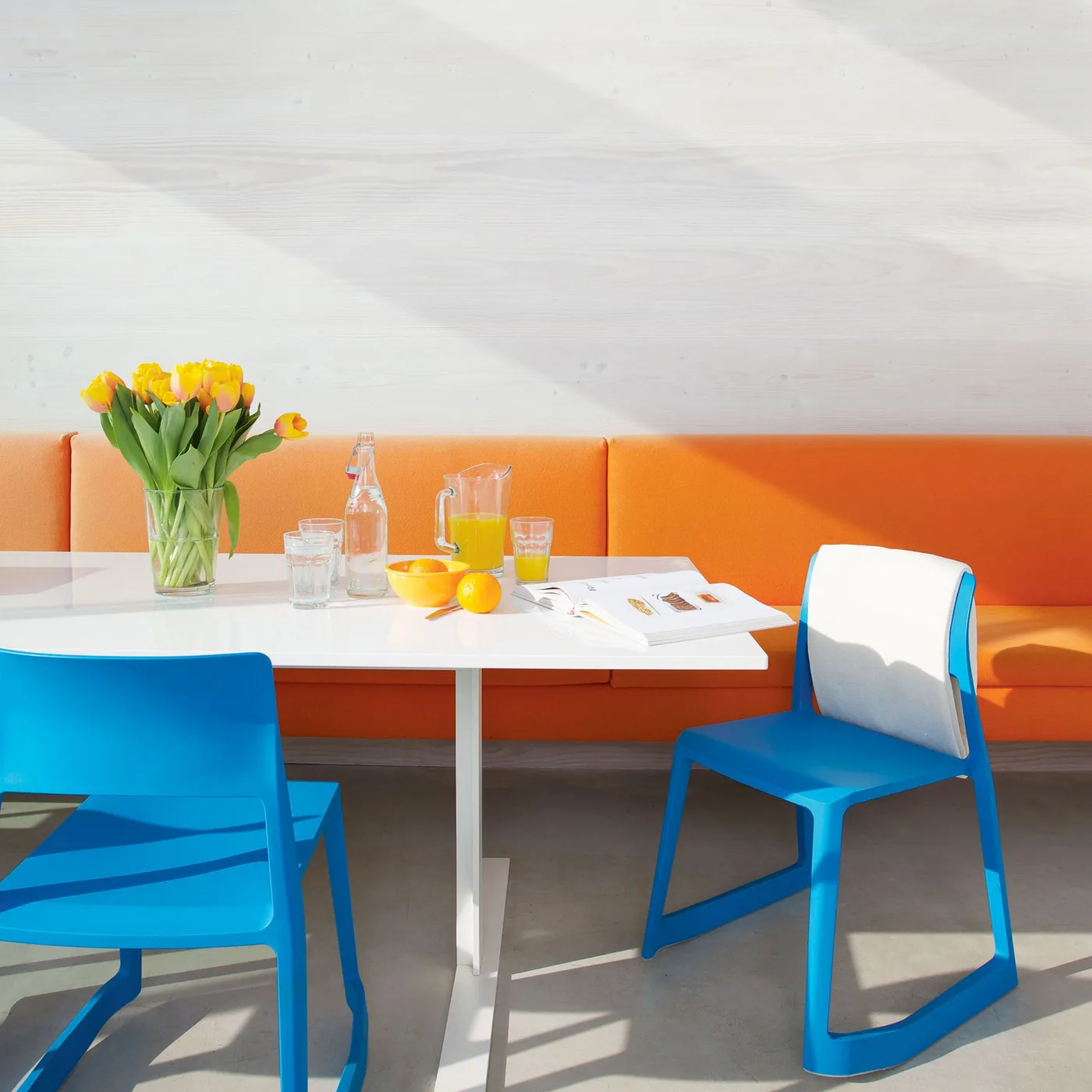
Make a long orange banquette the welcoming feature
 SaveSupport Non AI Creator
Image credit: Future PLC/Richard Gadsby
The orange upholstered banquette is the warmest and softest feature in this simple dining area. A white table keeps the center bright, with blue and white chairs adding a clear color contrast opposite the bench. Pale walls leave the arrangement uncluttered, allowing the longer cushioned seat to supply most of the room's character.
A long banquette can accommodate relaxed meals, but consider how people enter and leave the middle positions. Keep upholstery care realistic for daily dining rather than treating the seat like an occasional sofa. Try the stronger color alongside the chairs first, and leave enough table space for food without requiring guests to move decorations.
IDEA 19 / 20
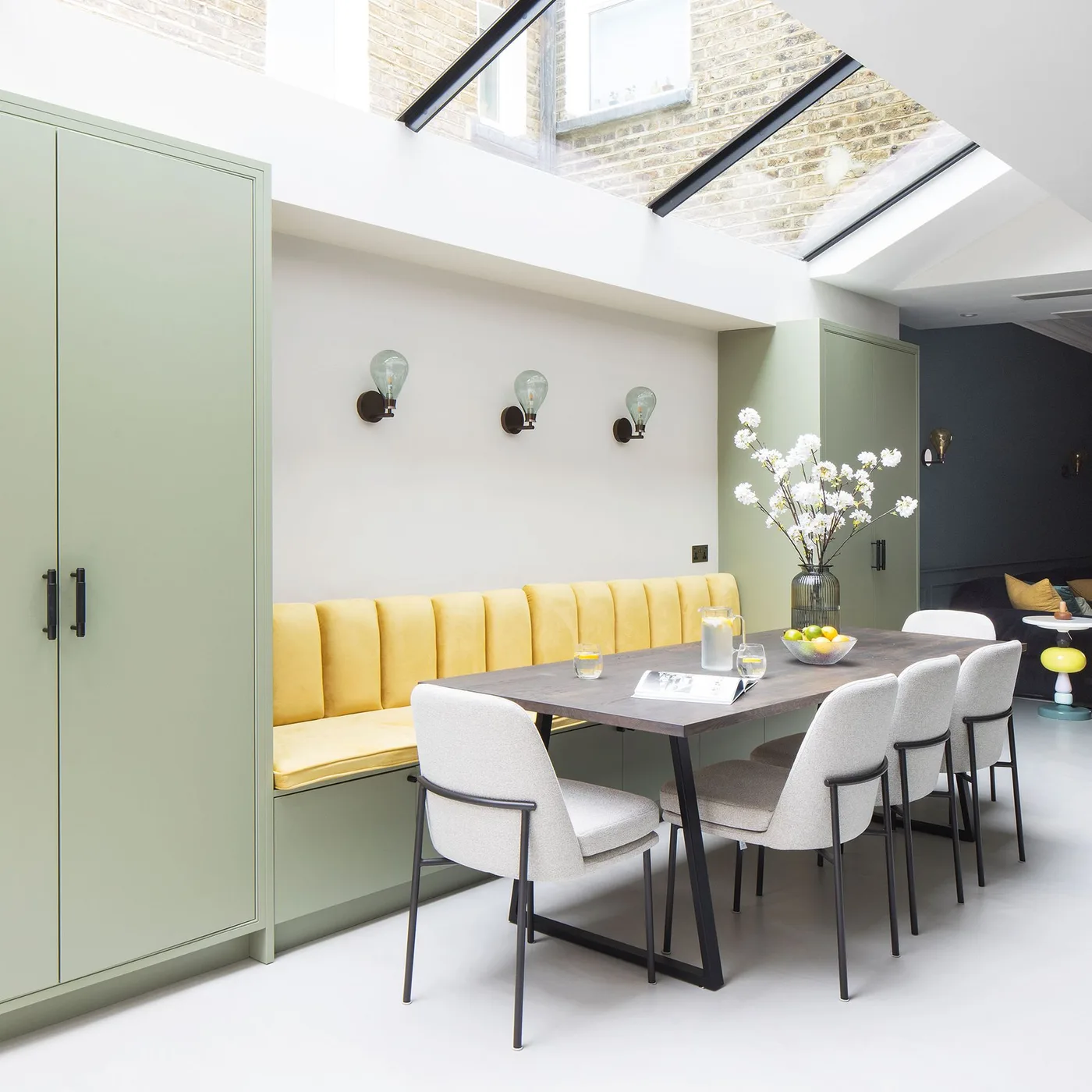
Brighten a kitchen-side bench with warm yellow upholstery
 SaveSupport Non AI Creator
Image credit: Future PLC/James French
Warm yellow upholstery gives the long banquette a welcoming color against the surrounding green cabinetry. The dark rectangular table creates contrast between the bench and pale chairs. Roof windows bring light across the shared kitchen and dining area, with the repeated cabinet fronts providing a calmer backdrop for the colorful seating below.
Compare seat fabrics with cabinet and wall samples under your actual lighting before committing to a strong combination. Think about who needs a chair with a back or arms rather than a bench. Check that kitchen cupboards can open while the table is in use, and choose upholstery that suits the likely spills around everyday meals.
IDEA 20 / 20
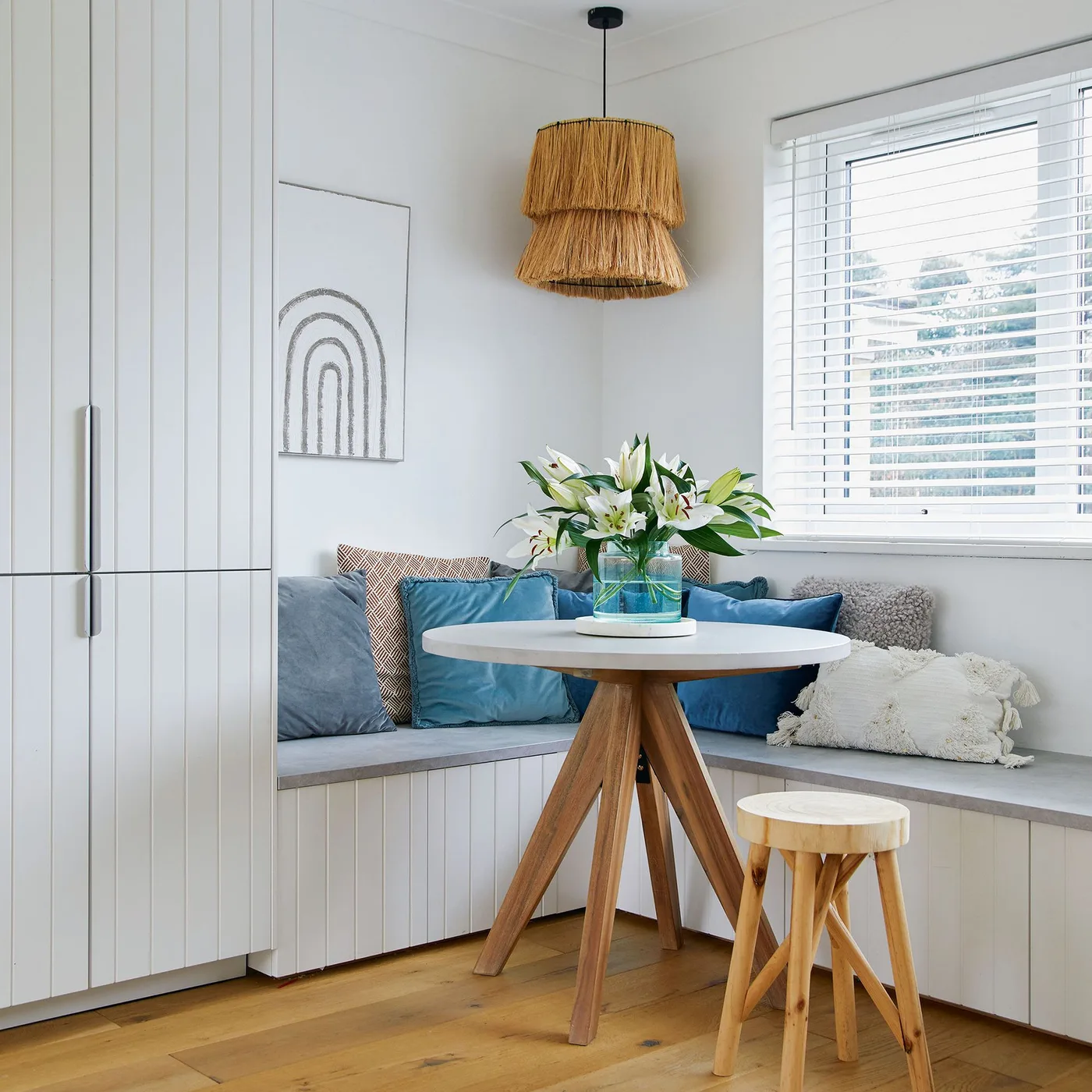
Use a window corner for a softly layered breakfast nook
 SaveSupport Non AI Creator
Image credit: Future PLC/Katie Jane Watson
The L-shaped bench follows the window corner, with pale seat cushions and blue-gray pillows softening the white paneling. A round table and small wooden stool keep the furniture compact. The woven pendant introduces texture above the tabletop, making the nook feel layered without filling its limited floor area with several separate chairs.
Plan a window bench around access to handles, curtains and cleaning rather than covering every available edge. Choose cushions that can be removed and cared for easily. Test the table position from both sides of the corner seat, and make sure a small stool provides appropriate support for the person who will use it.
BRING IT ALL TOGETHER
Make comfort work around everyday meals
Start with chairs or benches that suit the people using them, then check the table reach and walking routes. Upholstery, a cloth or a rug can add softness, but each layer should have a cleaning routine you are happy to keep.
Bring warmth through a few connected choices, such as wall color, wood tones and useful evening lighting. Leave room for plates, serving dishes and conversation; a welcoming dining room is one that is easy to sit in and use.