A boho vintage living room comes together through pieces you enjoy using and objects you want to keep. An older-looking chair, fringed sofa, patterned rug or personal picture can sit alongside simpler furniture without forming a matching set. Start with comfortable seating and clear routes, then build the colors and textures around them.
The photographs below show vintage-inspired arrangements; a furniture piece’s appearance does not prove its age. They offer ways to connect different outlines, fabrics and personal finds while retaining useful tables and storage. Inspect secondhand pieces carefully, and choose a level of pattern and display that you can comfortably clean and maintain in everyday life.
PART 01
Choose seating with a distinct outline
IDEA 01 / 20
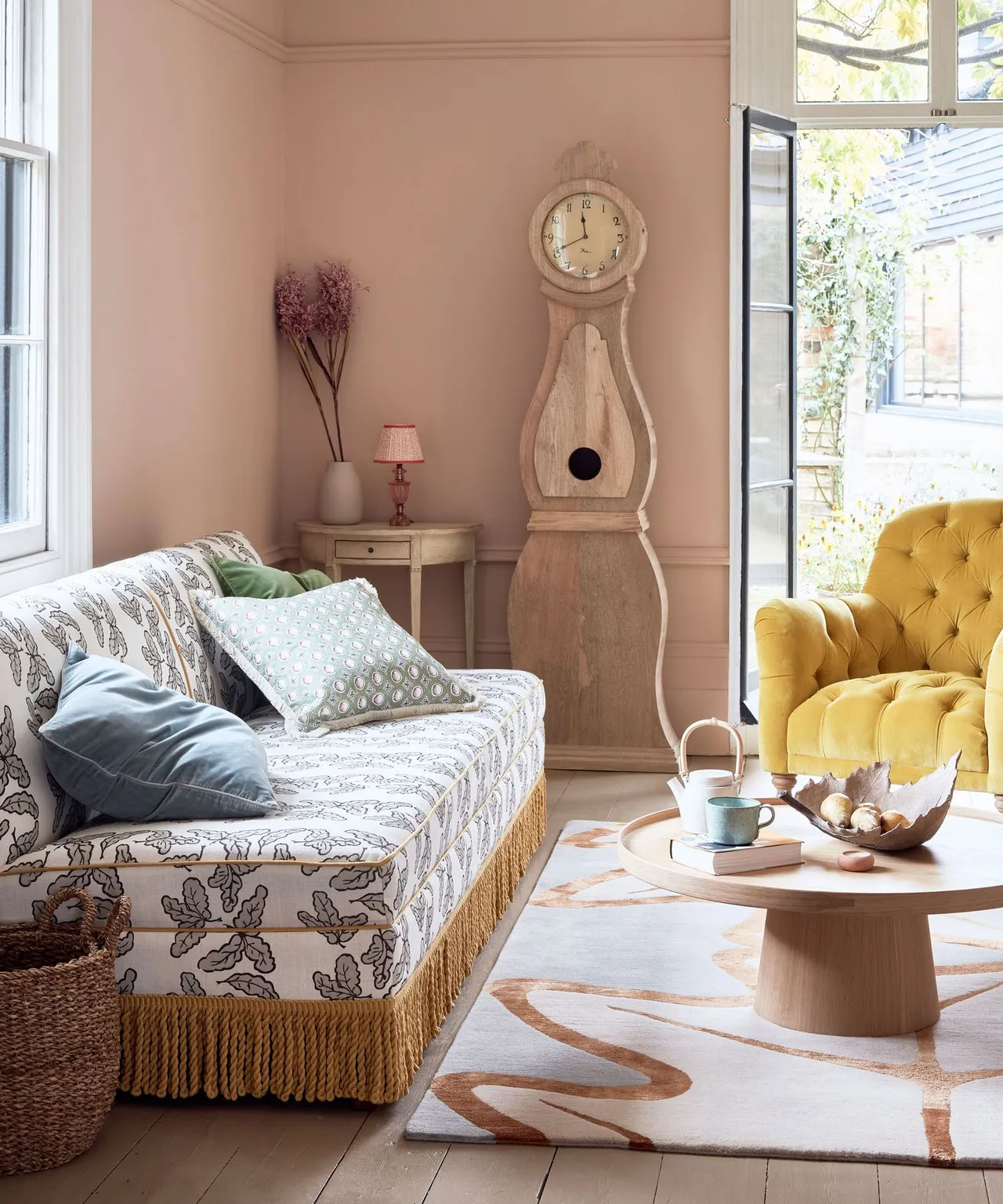
Set a fringed sofa beside a quieter rounded table
 SaveSupport Non AI Creator
Image credit: Future/Oliver Perrot
A patterned sofa with a fringed lower edge gives this pale pink room a decorative furniture outline. The yellow buttoned chair adds a warmer color, while the tall curved clock introduces another older-looking shape against the wall. A rounded wooden table keeps the middle simpler, allowing the sofa fabric and surrounding collected pieces to remain distinct within the seating arrangement.
Inspect a secondhand sofa’s frame and upholstery as well as its decorative trim before regular use. Keep fringe away from floor-cleaning tools and check its care guidance. Compare the rounded table’s reach from both seats, leaving access to the clock and window practical so the older-looking details do not make the living room difficult to use. Our vintage living room ideas explore more ways to mix distinctive furniture with practical storage and everyday comfort.
IDEA 02 / 20
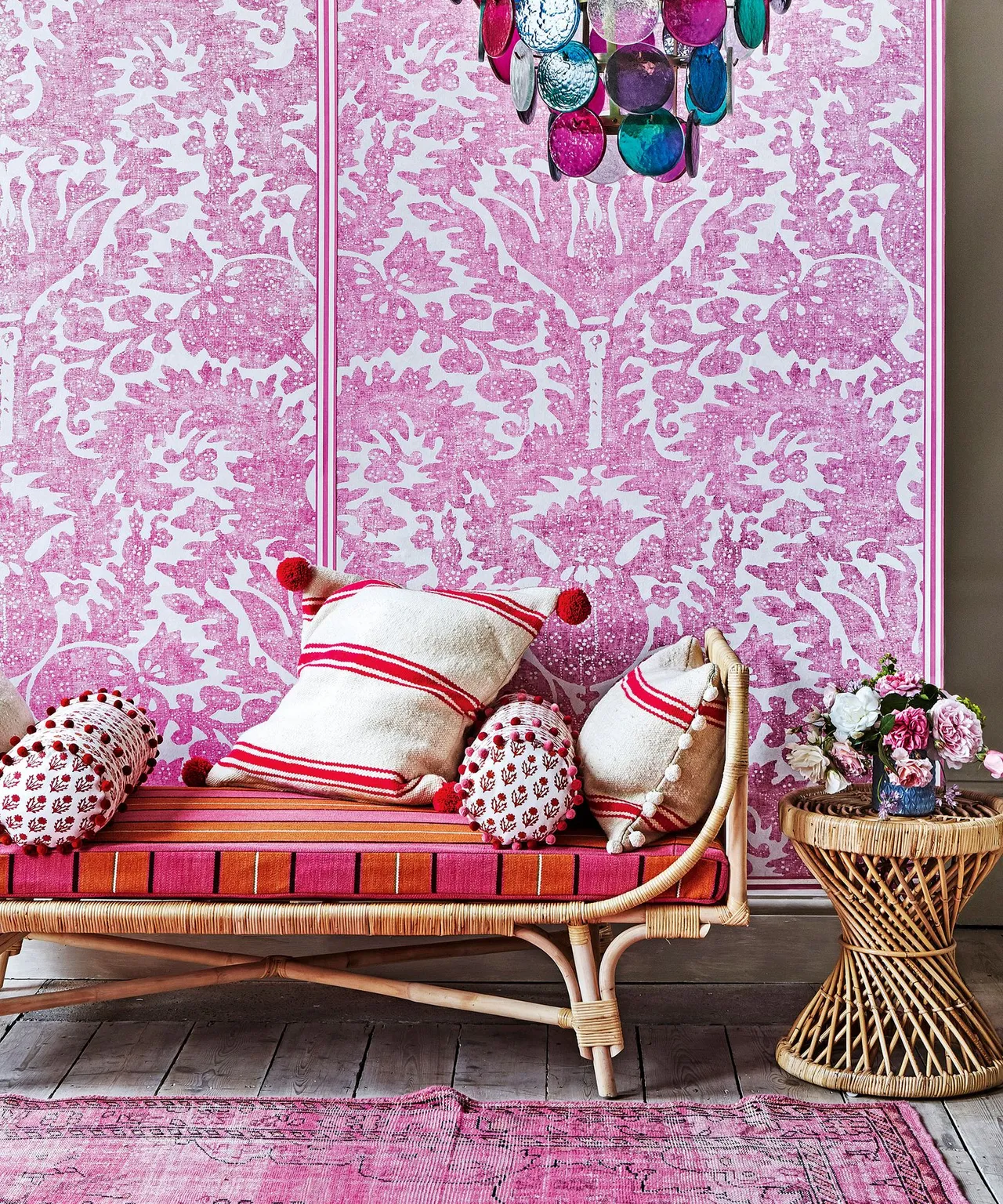
Give woven seating a pink patterned background
 SaveSupport Non AI Creator
Image credit: Future / Jan Baldwin
Woven seating stands in front of the large pink wall pattern, bringing a warmer open texture to the brighter background. Stripes on the seat and red-and-white pillows add smaller fabric repeats, while the woven side table continues the furniture texture alongside. The rug keeps pink visible below, creating a connected room through several different patterns and shapes rather than matching upholstery everywhere.
Try the seat cushion and pillow fabrics together before committing to another strong wall pattern. Inspect woven furniture for loose areas and sound support, choosing cushions that make it comfortable for daily use. Keep a reachable table surface and enough sitting room, and follow the rug and furniture cleaning guidance so the layered arrangement remains manageable.
IDEA 03 / 20
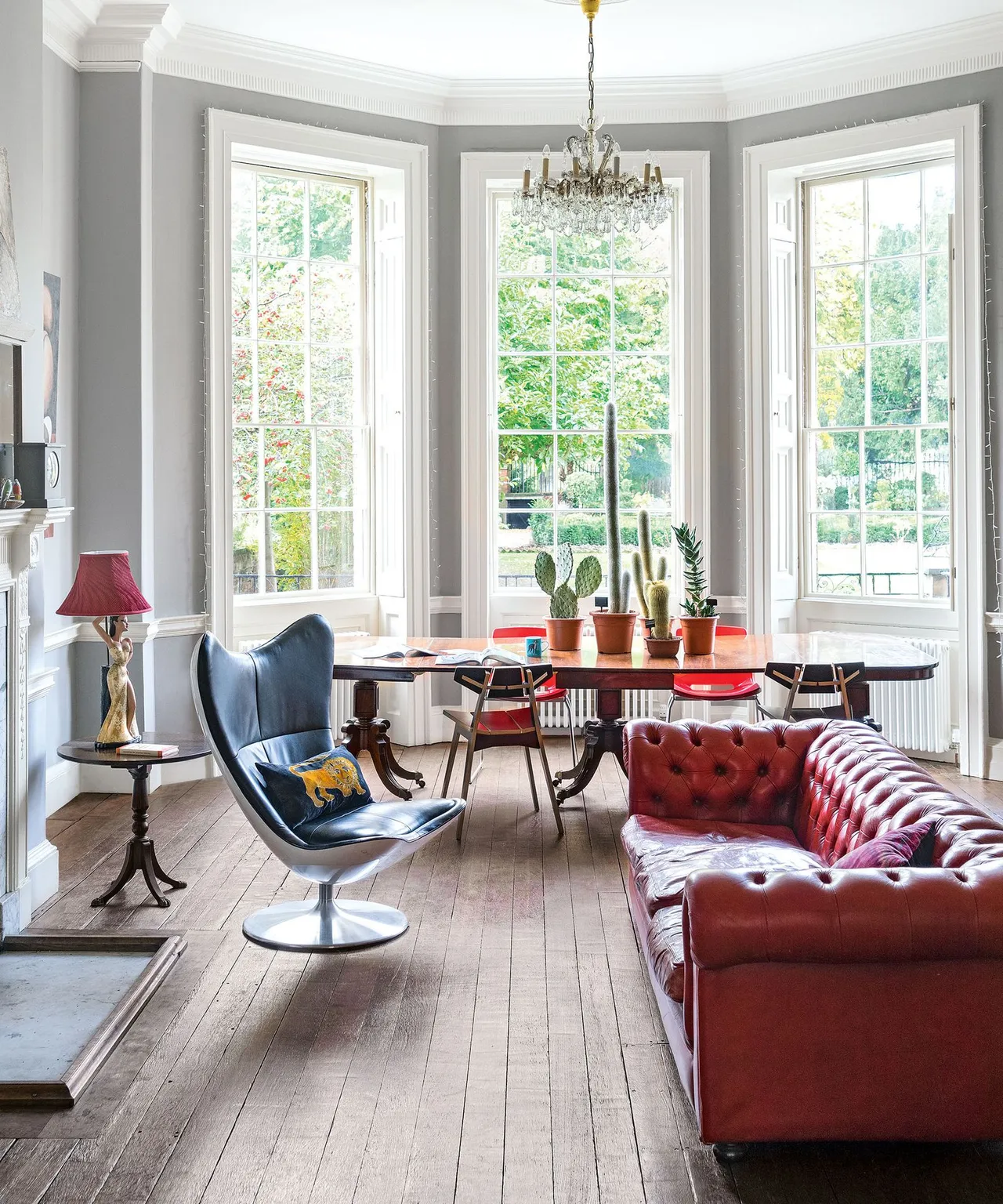
Mix a buttoned red sofa with an open lounge chair
 SaveSupport Non AI Creator
Image credit: Future / James Merrell
A red buttoned sofa gives the room a substantial older-looking seat, while the curved blue lounge chair introduces a lighter outline opposite it. The smaller dark table repeats a traditional leg shape beside the chair. Tall windows and pale walls leave those furniture differences visible, with the chandelier and wooden table carrying more collected detail into the surrounding room.
Measure the lounge chair in its normal occupied position and keep a practical route around the sofa. Inspect the sofa’s upholstery and support before buying secondhand, and check the chair for comfort as well as shape. Have older lighting assessed before use, keeping useful surfaces close to the seats instead of placing every table along the wall.
IDEA 04 / 20
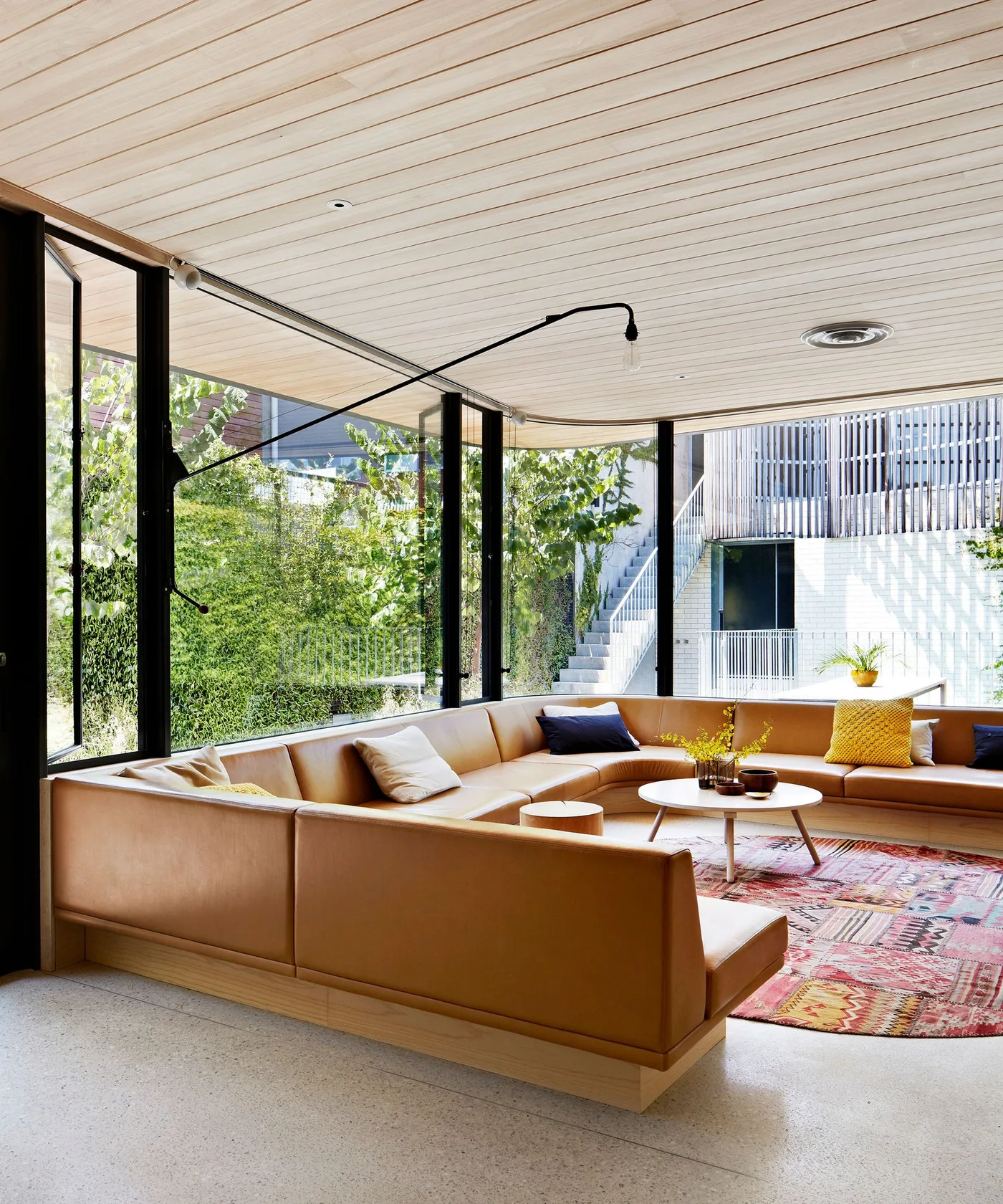
Use low tan seating as a warmer furniture foundation
 SaveSupport Non AI Creator
Image credit: Future / Armelle Habib
A low tan sectional forms a continuous warm seating group beneath the pale wooden ceiling. The patterned pink rug adds a more collected fabric detail at floor level, while the round table keeps the center lighter. Broad windows leave the surrounding room visually open, showing how retro-looking seating can provide the main furniture character without filling every wall with decorative objects.
Compare the low seat height with the needs of everyone using the room, including sitting down and getting up. Measure the complete sectional and retain routes around occupied seats. Check upholstery cleaning requirements and rug stability, choosing a central table that can be reached comfortably rather than relying on a large sofa’s outline to make the whole arrangement work.
IDEA 05 / 20
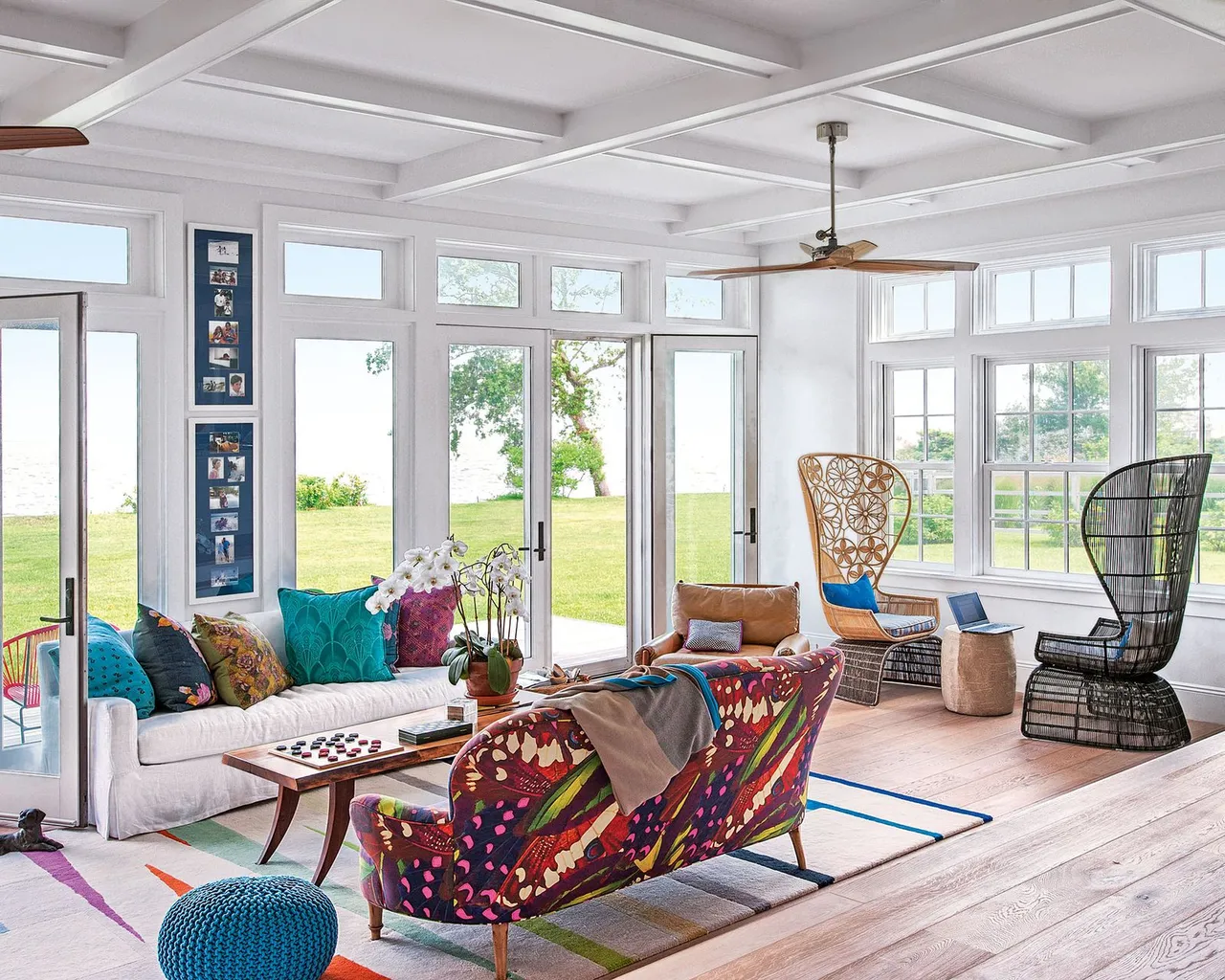
Bring several chair outlines around a simpler sofa
 SaveSupport Non AI Creator
Image credit: Future / Matthew Williams
Several chair outlines make this bright room feel collected around the simpler pale sofa. The patterned chair supplies a stronger fabric feature, while the taller open woven seats add different shapes nearer the windows. A low wooden table connects the seating at the center, with smaller cushion colors repeating across the group rather than making every large furniture piece identical.
Choose each chair for comfort and stable construction, testing its height beside the sofa and table. Keep the glazed door routes usable with people seated, and leave space for taller woven furniture beyond its visible seat. Reduce pillow layers if they narrow the sitting area, giving mixed upholstery a care routine you can maintain without treating all fabrics the same.
PART 02
Connect mixed patterns around the seats
IDEA 06 / 20
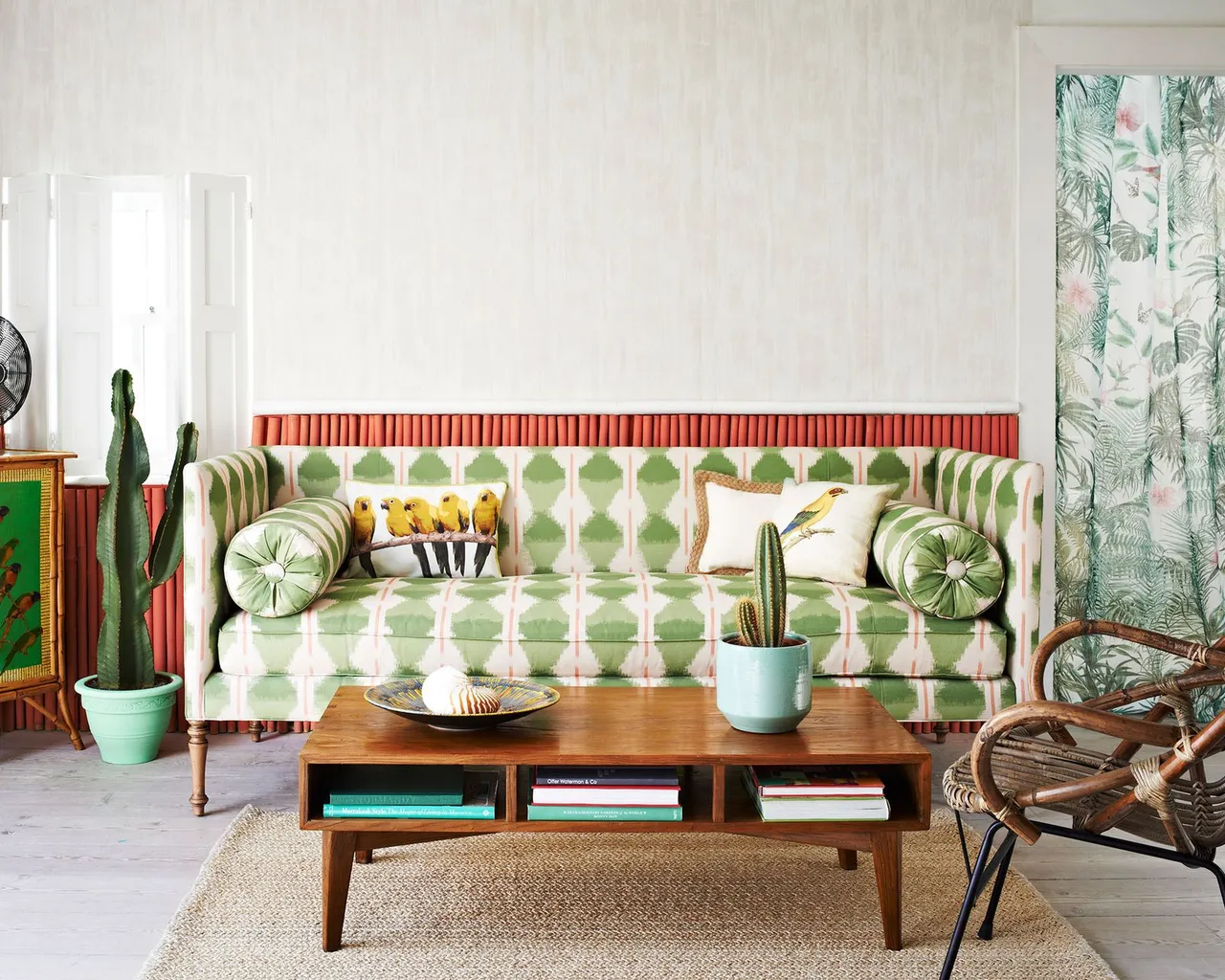
Connect a patterned sofa with a useful wooden table
 SaveSupport Non AI Creator
Image credit: Future / Adrian Briscoe
A green patterned sofa carries the largest fabric repeat beside the warmer wooden coffee table. Red stripes behind the seat introduce a different pattern direction, while the woven chair adds a lighter open outline at the side. Books have a defined place in the table’s lower openings, giving the older-looking furniture a practical role within the brighter mixed seating arrangement.
Check the sofa’s comfort and support before choosing it for the pattern alone. Keep open table storage orderly enough to clean and leave the top useful for daily items. Position prickly plants away from contact with seated people or regular routes, and compare the woven chair’s footprint with the remaining space rather than squeezing it into the last available gap.
IDEA 07 / 20
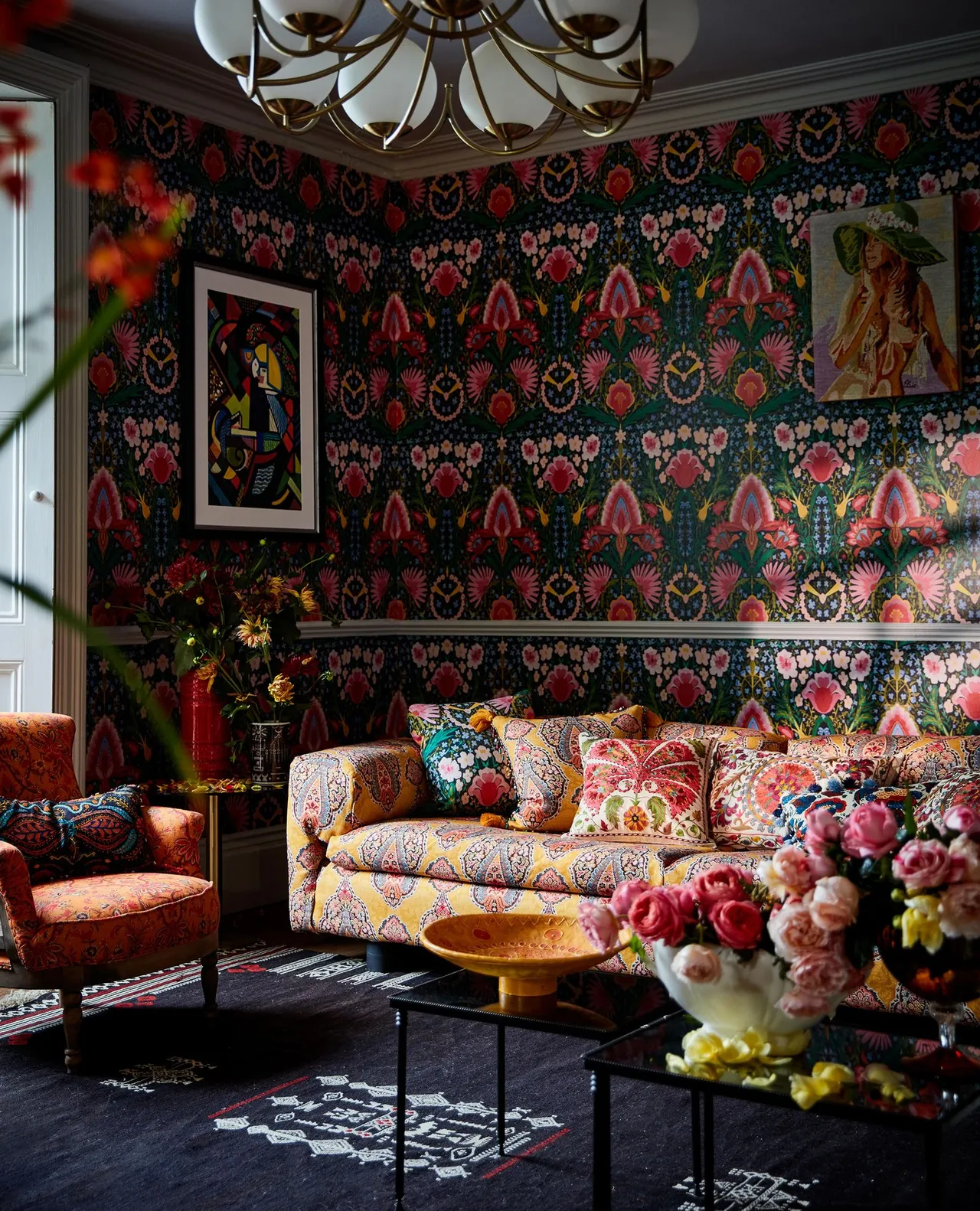
Let a dark floral wall surround brighter fabrics
 SaveSupport Non AI Creator
Image credit: Mind the Gap
A dark floral background gives the brighter sofa and chair fabrics a clear surrounding color. The sofa’s smaller pattern remains distinct from the larger wall motifs, while the orange chair repeats one of the warmer tones. Different central tables introduce simpler surfaces below, showing how a rich wall and collected furniture can share the room without every piece needing the same print.
Compare upholstery and wallpaper samples at their actual scale before combining several repeats. Keep enough light around the seats for reading and everyday use, checking darker colors under your evening lamps. Retain stable reachable tables and inspect any older furniture for repair needs, limiting added ornaments when the wall and fabric patterns already provide most of the room’s detail.
IDEA 08 / 20
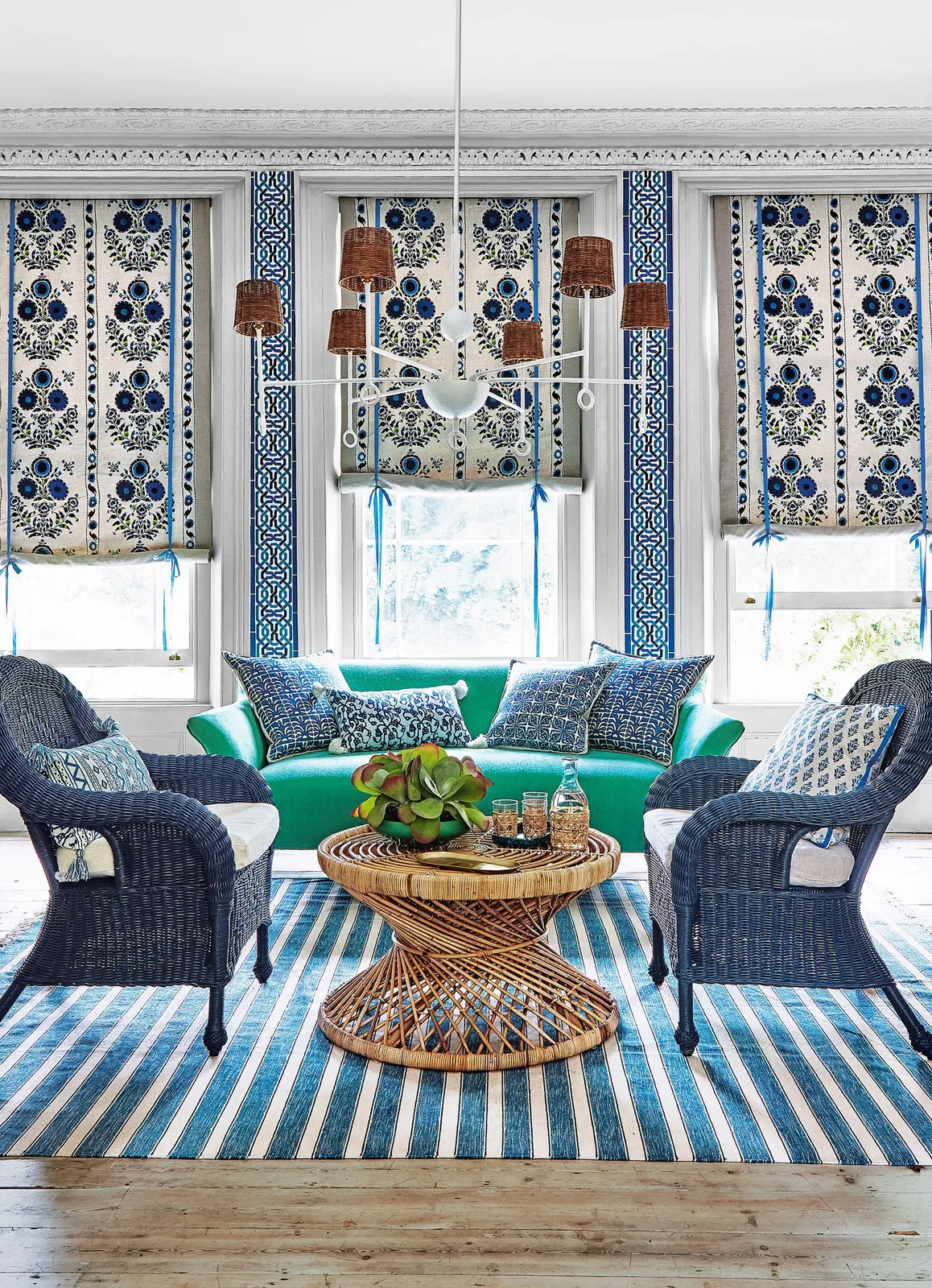
Repeat blue across woven chairs and window fabrics
 SaveSupport Non AI Creator
Image credit: Jan Baldwin
Blue woven chairs connect with the window fabrics and striped rug, while the green sofa provides a different larger furniture color. The rounded woven table repeats the chairs’ open texture at the center, with smaller cushions carrying finer patterns across the seats. The pale walls and floor leave those repeats visible, giving the room a connected collected look through color rather than an identical furniture set.
Check woven seats for suitable support and choose comfortable cushions that can be removed for care. Compare the table’s stability and reach from each seat, retaining a route between the chairs. Keep window coverings easy to operate and the rug flat beneath moving furniture, so repeated blue details support a usable room rather than filling it with matching fabric layers.
IDEA 09 / 20
Keep a traditional chair beside simpler gray seating
 SaveSupport Non AI Creator
Image credit: Photo: LABL studio. From: LABLstudio
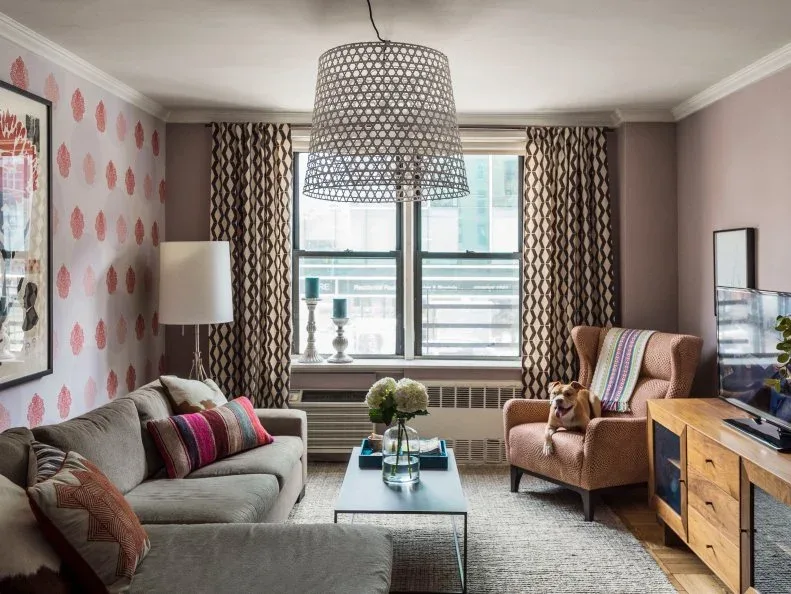
A traditional wing chair brings a warmer older-looking outline beside the gray sectional. Pink wall motifs and patterned curtains add separate repeats around the quieter upholstery, while the wooden media cabinet provides another warm furniture tone. The narrow central table leaves more of the floor visible, showing how a collected chair can change a practical family sitting room without replacing every larger piece.
Test the chair for comfort and inspect its frame and upholstery before using it regularly. Measure the central table and cabinet access around occupied seats, leaving room for drawers or doors to open. Compare the curtain pattern with a wall sample and keep loose throws manageable, choosing a combination that can be cleaned without dismantling the entire seating area.
IDEA 10 / 20
Use a pink wall repeat around quieter furniture
 SaveSupport Non AI Creator
Image credit: Dado Atelier Kazbek wallpaper
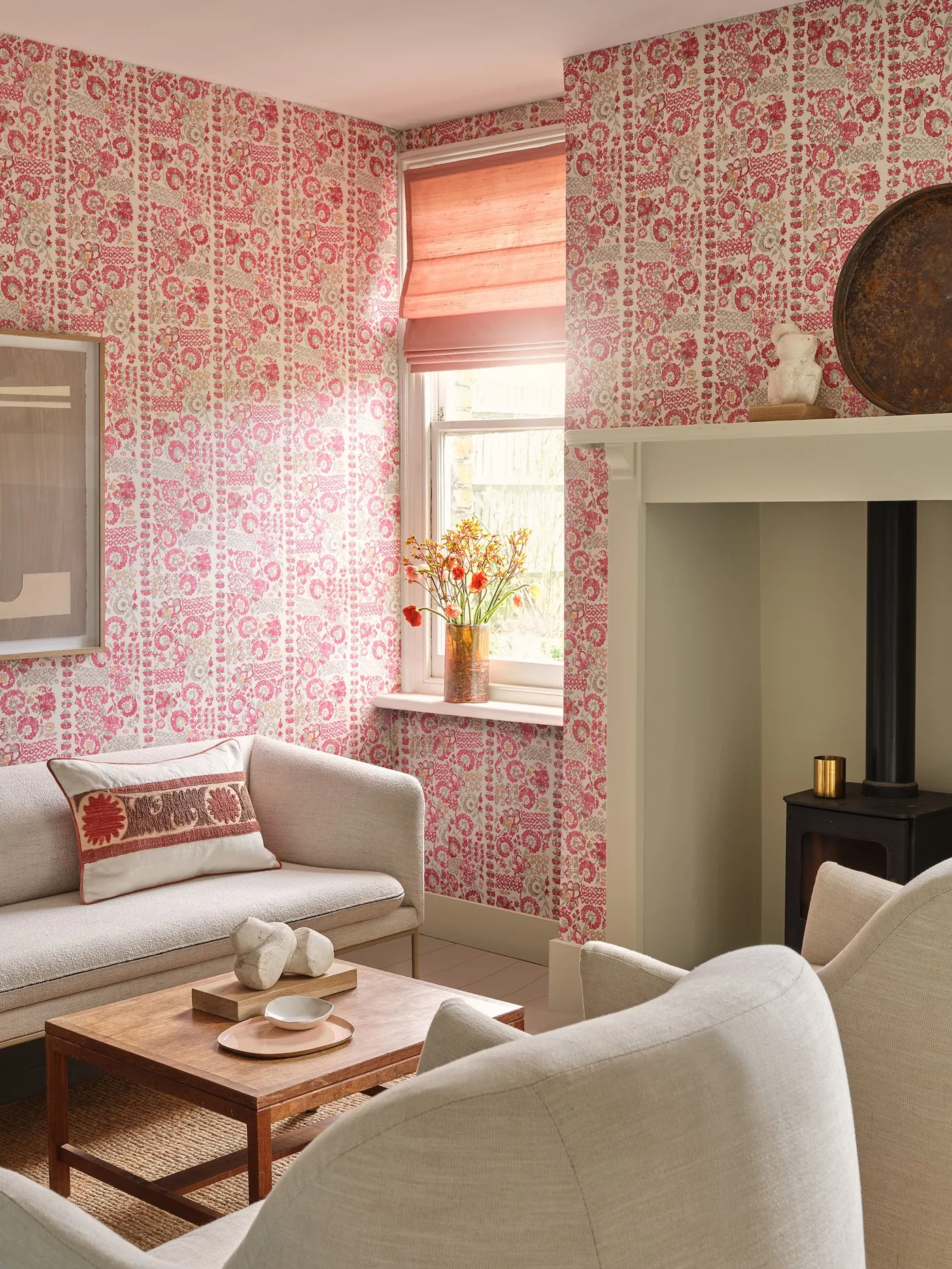
A small pink wall repeat brings decorative character around the pale seating. The wooden table provides a warmer central shape, while the window blind continues a related lighter pink above. A simpler fireplace surround interrupts the pattern, leaving the room readable through both detailed and quiet surfaces rather than adding a different print to every chair and cushion.
Compare the wallpaper’s repeat size with the whole room rather than judging a small sample alone. Keep pale upholstery suited to your cleaning routine and leave a useful table surface. Follow the actual fireplace clearance and operation requirements before arranging seating nearby, and choose additional cushions only where they improve comfort or connect a color you already want to keep.
PART 03
Use texture to bring different pieces together
IDEA 11 / 20
Place a woven chair beside a decorative folding screen
 SaveSupport Non AI Creator
Image credit: Future / Neil Mersh
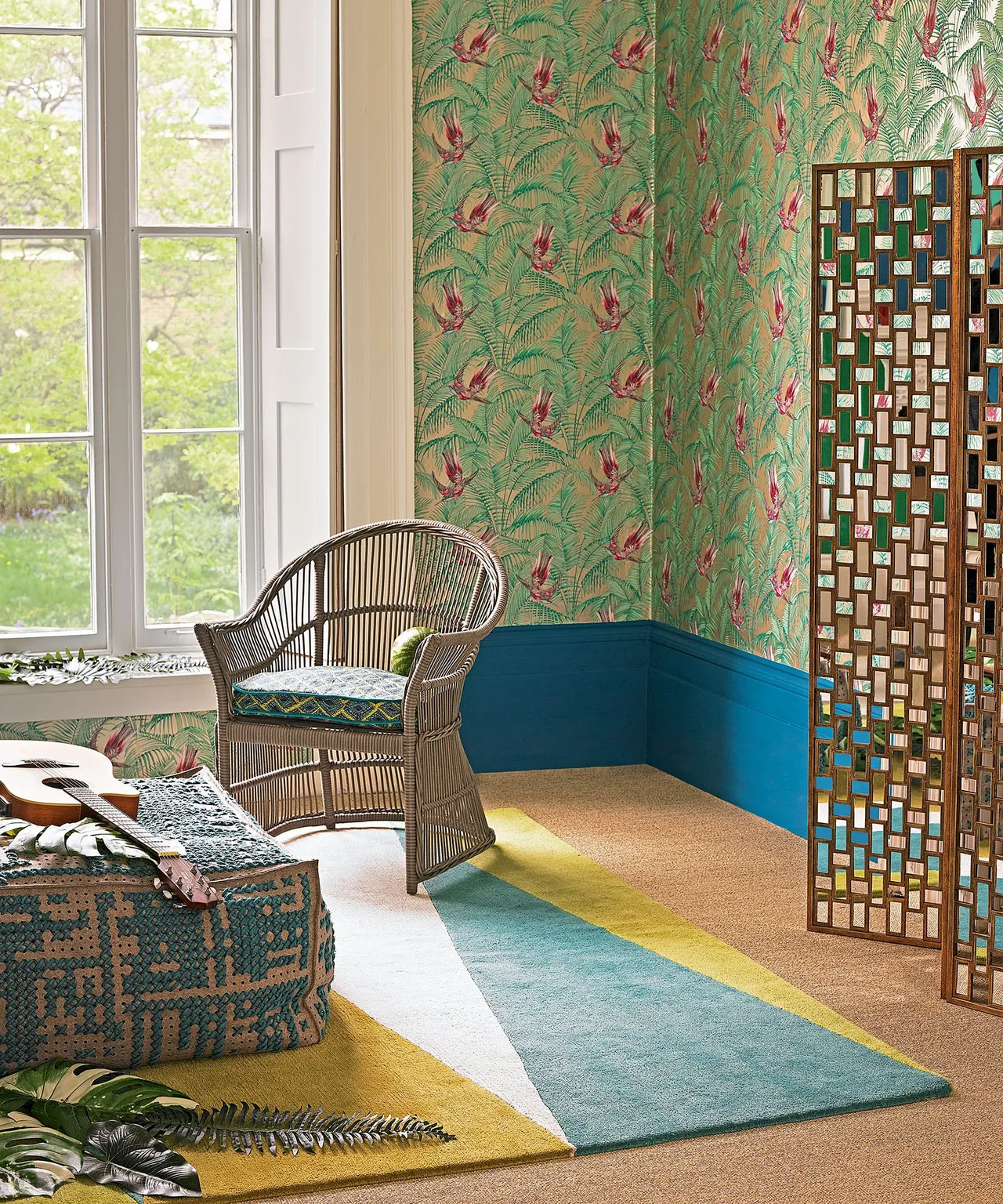
A woven chair gives this patterned corner an open warmer outline, with a decorative screen introducing smaller reflective shapes beside it. The green botanical wall connects with the rug, while the teal lower wall provides a stronger horizontal color boundary. A patterned pouf adds another fabric feature below, making the corner feel collected through different textures rather than a large group of similar chairs.
Check a folding screen’s stability and position it outside the chair’s usual approach and movement space. Choose the pouf for its intended use and stable support, keeping it from blocking the window route. Inspect woven furniture for sound construction, and compare the screen’s reflections with the available light before adding more reflective objects or another strong wall pattern nearby.
IDEA 12 / 20
Warm exposed brick with a softer woven seat
 SaveSupport Non AI Creator
Image credit: Future / Adrian Briscoe
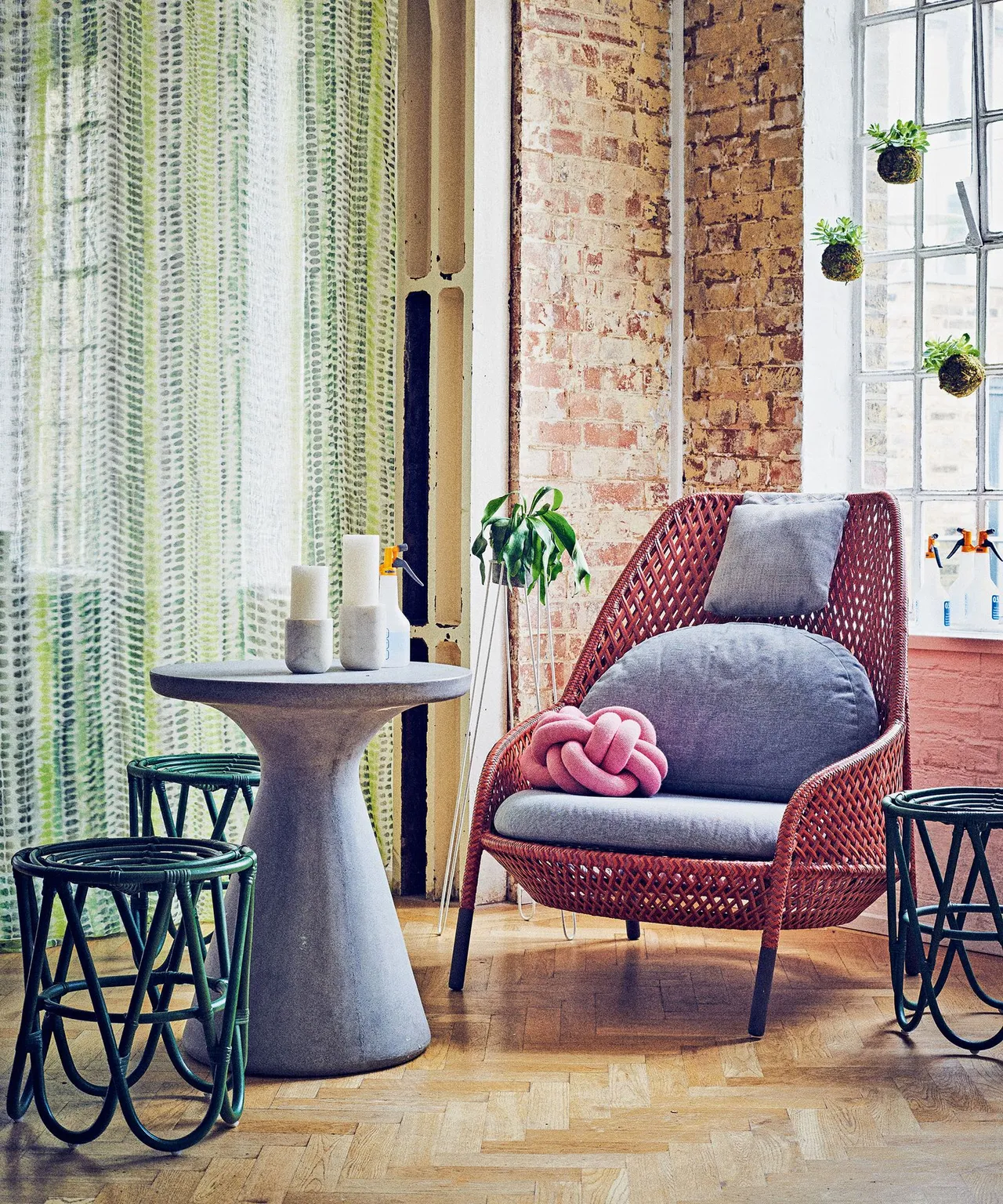
Exposed brick gives this sitting area a more textured background beside the reddish woven chair. Pale blue cushions soften its open frame, while green curtains introduce a different fabric repeat along the window. Smaller open stools and a gray pedestal table provide useful shapes at different heights, connecting the chair with collected pieces without making the arrangement one continuous bulky furniture group.
Check seat support and cushion comfort before buying a woven chair, especially secondhand. Choose stools according to their intended use rather than assuming they are safe seats because they look substantial. Keep window access and curtain movement clear, and allow cleaning space between the smaller pieces so the brick, fabric and open furniture remain practical to maintain together.
IDEA 13 / 20
Let a scalloped sofa outline show in a pale room
 SaveSupport Non AI Creator
Image credit: Photo: TravisJPhotography.2013. From: Mollie Openshaw
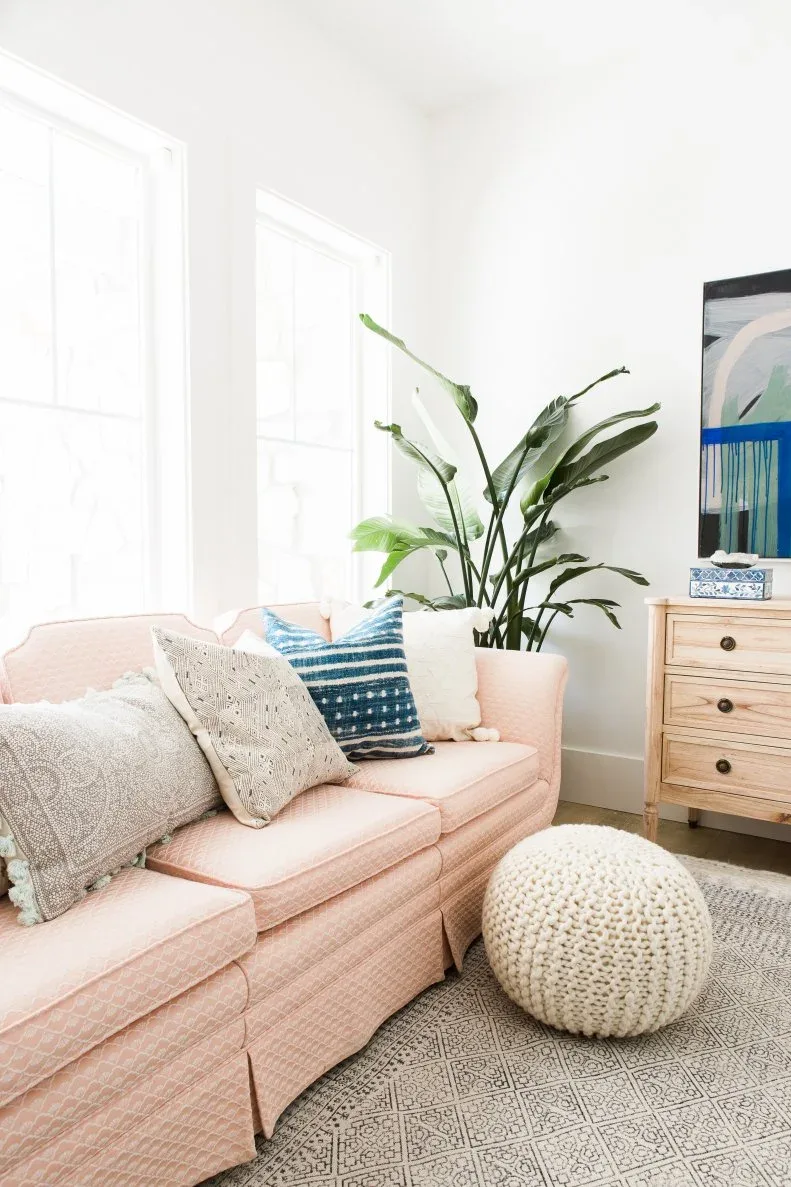
A scalloped sofa back gives the pale pink seating a decorative older-looking outline against the bright wall. Smaller light patterns and a blue striped pillow add fabric detail without covering that shape. The knitted pouf introduces texture lower down, while a wooden drawer chest gives the room warmer storage alongside the taller green plant and simpler surrounding surfaces.
Inspect a collected sofa’s condition and comfort before choosing its decorative back, including the support beneath the cushions. Keep enough seat space when adding pillows and check the pouf’s intended use. Leave the drawer chest accessible and protect its surfaces from plant care, choosing pale fabrics according to the cleaning routine you can provide during everyday use.
IDEA 14 / 20
Use a patterned wall behind a compact green seat
 SaveSupport Non AI Creator
Image credit: Future / Davide Lovatti
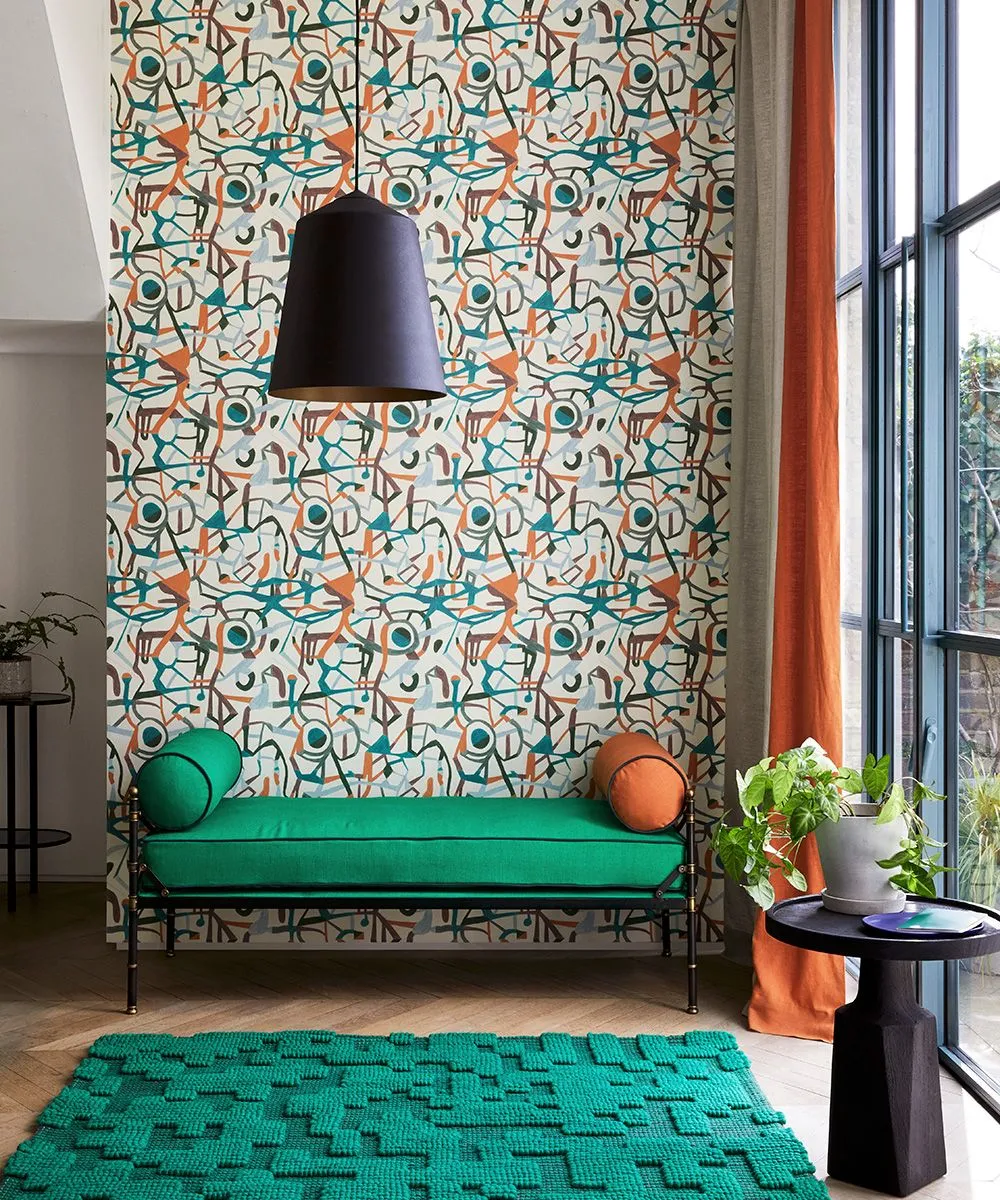
A compact green seat repeats one of the wall pattern’s stronger colors, while the orange bolster picks up a smaller warmer accent. The green textured rug carries that connection onto the floor, with a dark hanging light providing a simpler outline above. A small side table leaves the corner useful, showing how an older-looking seat can sit within a brighter mixed room background.
Check the seat’s support and usable length for the way you plan to rest on it. Compare the wall repeat and rug texture in your actual light, keeping a clear route beside the table. Have older electrical fittings checked before use, and retain useful reading light instead of relying on the pendant’s decorative outline to make the corner comfortable at night.
IDEA 15 / 20
Balance a textured wooden table with a clearer fireplace wall
 SaveSupport Non AI Creator
Image credit: Future / Paul Massey
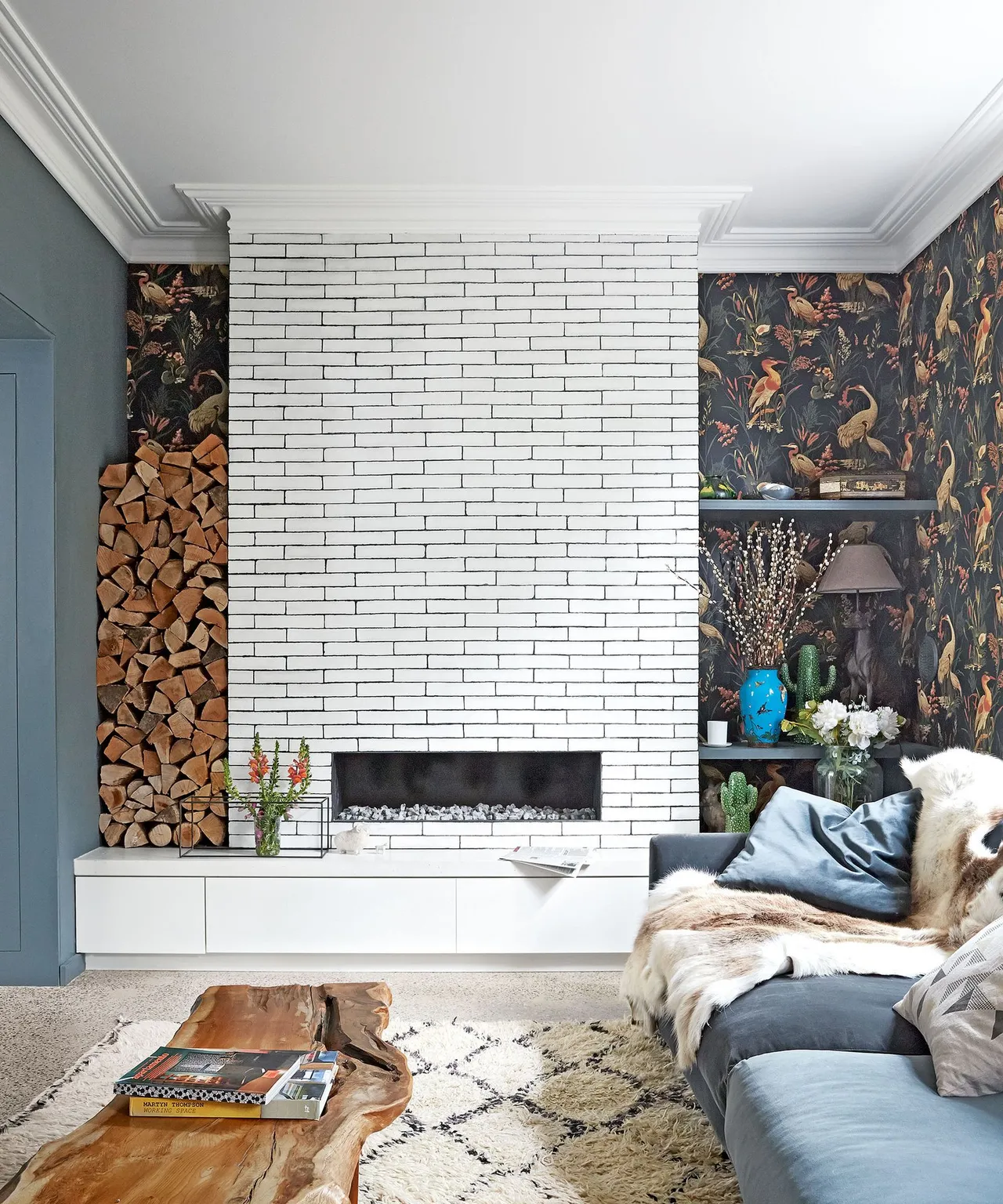
A white brick fireplace wall gives the room a clear vertical feature between the darker botanical surfaces. The blue sofa and irregular wooden table add different furniture outlines below, with the patterned rug connecting the seating area. Personal objects occupy the side shelving, creating a collected background while the white brick leaves part of the wall comparatively quiet and easy to read.
Follow the actual fireplace clearance and storage requirements rather than copying the pictured log or object positions automatically. Check the irregular table’s edges and stability around the route, keeping a reachable central surface. Choose rug and upholstery care you can maintain, and leave enough open shelf space to remove objects for cleaning instead of filling every gap beside the fireplace.
PART 04
Give collected details a practical place
IDEA 16 / 20
Give personal pictures a place around a fireplace
 SaveSupport Non AI Creator
Image credit: Kit Kemp / Simon Brown
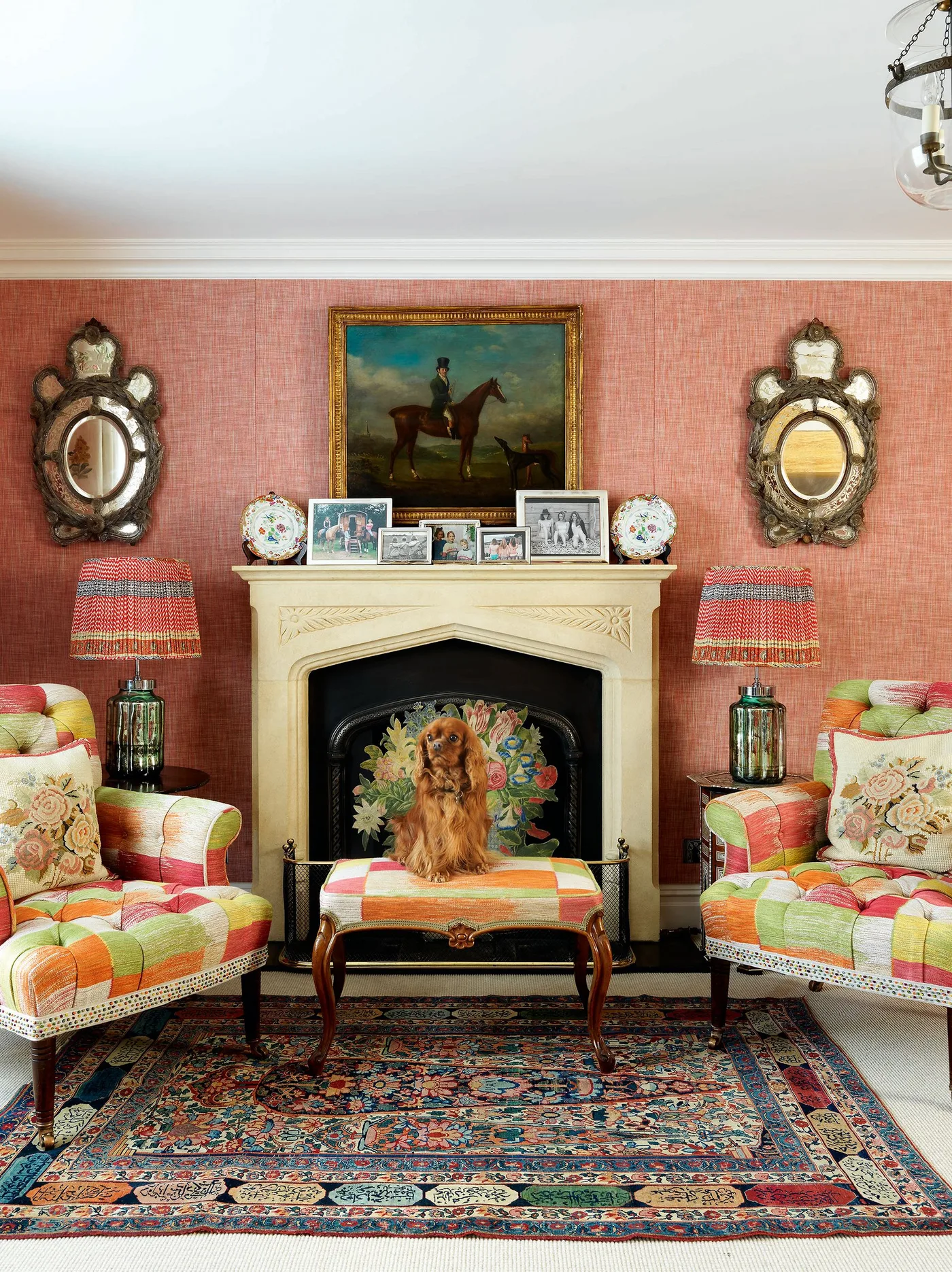
Personal photographs occupy the mantel beneath a larger picture, giving this room a collected wall focus between the ornate mirrors. Patterned armchairs and the smaller upholstered stool repeat warmer colors around the pale fireplace surround. The rug adds a finer floor pattern, while paired lamps create a more regular arrangement within the room’s many different fabric and picture details.
Keep photographs and decorative objects within the actual fireplace’s permitted clearances, using secure display positions. Check chair and stool condition before regular use, leaving enough room to move between occupied seats. Compare the rug with the upholstery at normal viewing distance, and retain reachable table space so the personal display supports a comfortable sitting area rather than taking over every useful surface.
IDEA 17 / 20
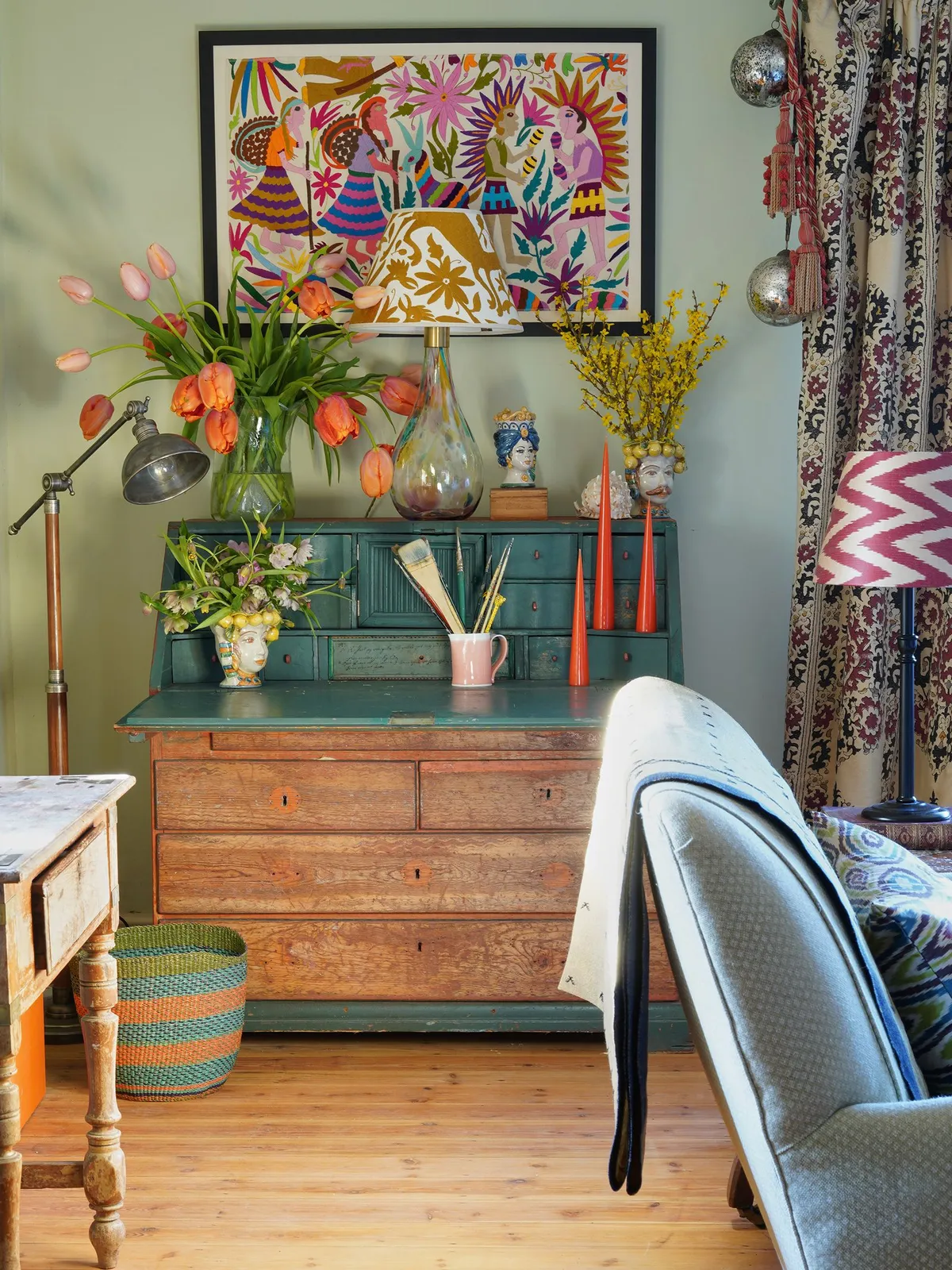
Use a drawer chest for a contained personal display
 SaveSupport Non AI Creator
Image credit: Montes and Clark
A wooden chest gives the personal display a solid warmer base beneath the colorful picture. The green stepped organizer creates smaller levels for objects, with flowers and the patterned shade adding more varied outlines above. The pale blue chair and patterned curtain connect the display with the surrounding sitting room, keeping the collection in a defined area rather than spreading it across every nearby table.
Inspect the chest and organizer for stable support, keeping drawers usable and heavier objects appropriately positioned. Protect the furniture from water beneath flower containers and leave access for cleaning the display. Use flameless candles for a decorative effect near fabrics, and reduce the collection when necessary so the chest can still serve the storage role that justified bringing it into the room.
IDEA 18 / 20
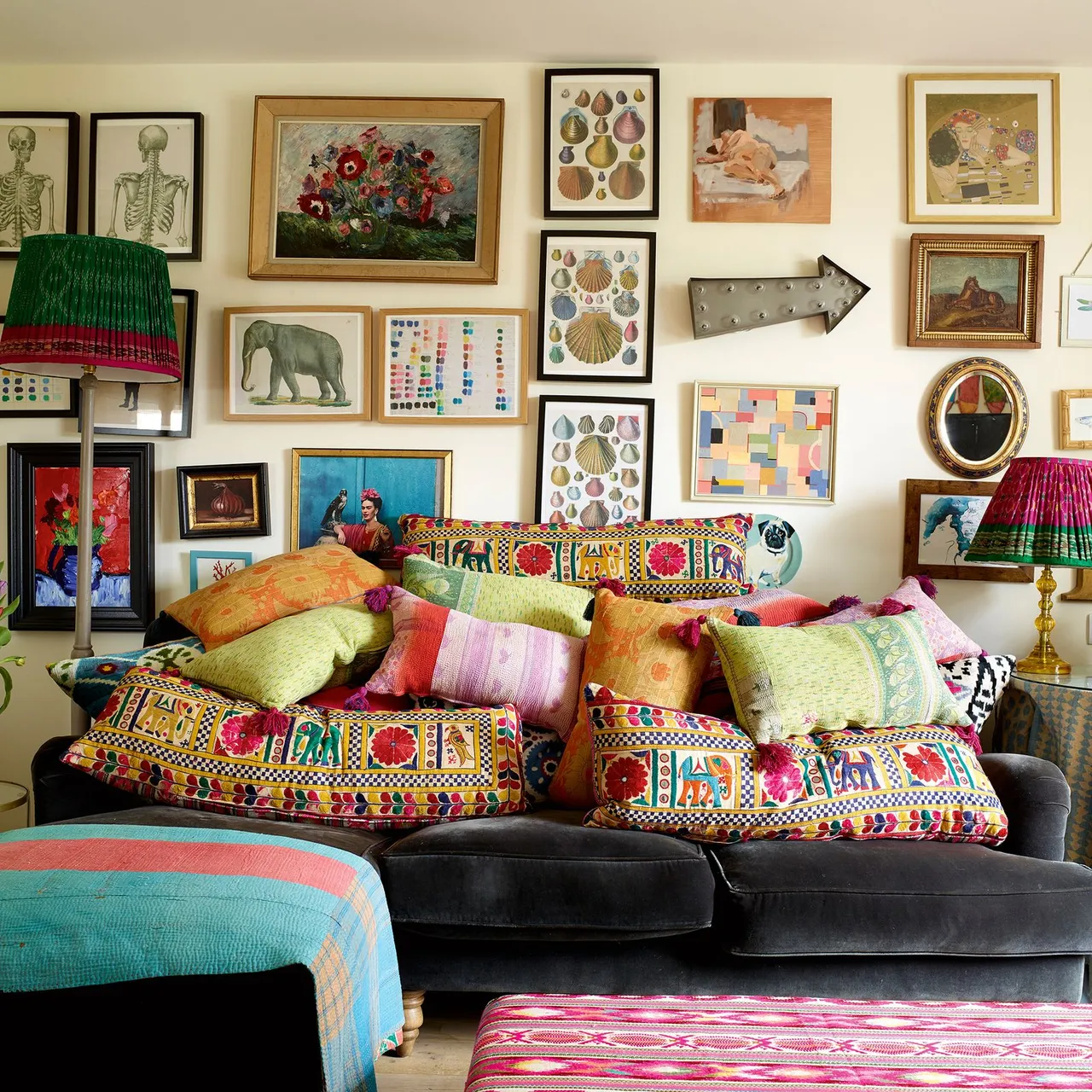
Give mixed cushion fabrics a quieter sofa background
 SaveSupport Non AI Creator
Image credit: Chloe Jonason
A dark sofa provides a quieter background for the many colorful cushion fabrics. Mixed frames and an oval mirror continue the collected character above, while green-and-pink lampshades repeat selected warmer accents at the sides. The room’s variety comes from several personal fabric and picture choices, with the larger sofa shape remaining more restrained beneath the stronger display.
Select cushion covers according to their actual care requirements, checking fragile or older fabrics before regular use. Keep enough room for people to sit comfortably and give surplus cushions another storage place. Secure the mixed wall display with suitable fittings and retain useful lamp placement, editing the collection if daily cleaning or finding a clear seat becomes difficult.
IDEA 19 / 20
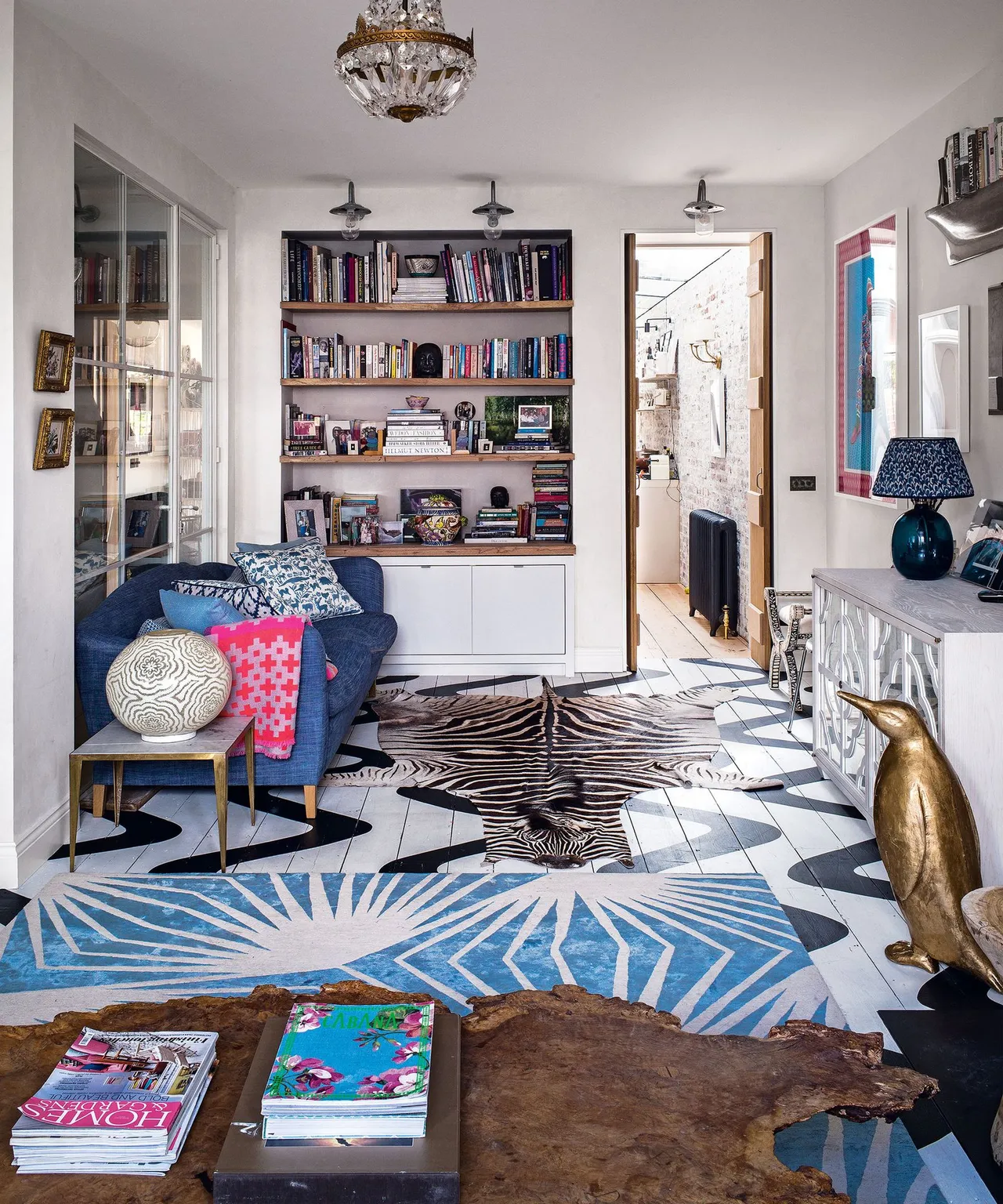
Contain books and patterned accents within useful storage
 SaveSupport Non AI Creator
Image credit: Future / Paul Raeside
Books have a defined place along the open shelving, giving this room a personal collected background beside the blue sofa. Mixed cushions and floor patterns add separate repeats below, while pale cabinets provide quieter storage surfaces. The variety of objects remains grouped around recognizable furniture functions, showing how a richly decorated living room can still retain practical places for belongings beyond the display.
Use shelving support appropriate to the actual book weight and keep frequently used items within comfortable reach. Check how layered rugs lie on the existing floor, reducing them if edges catch or furniture becomes unstable. Retain clear table surfaces and a practical route past the sofa, choosing a display size that can be dusted without removing every book and object each time.
IDEA 20 / 20
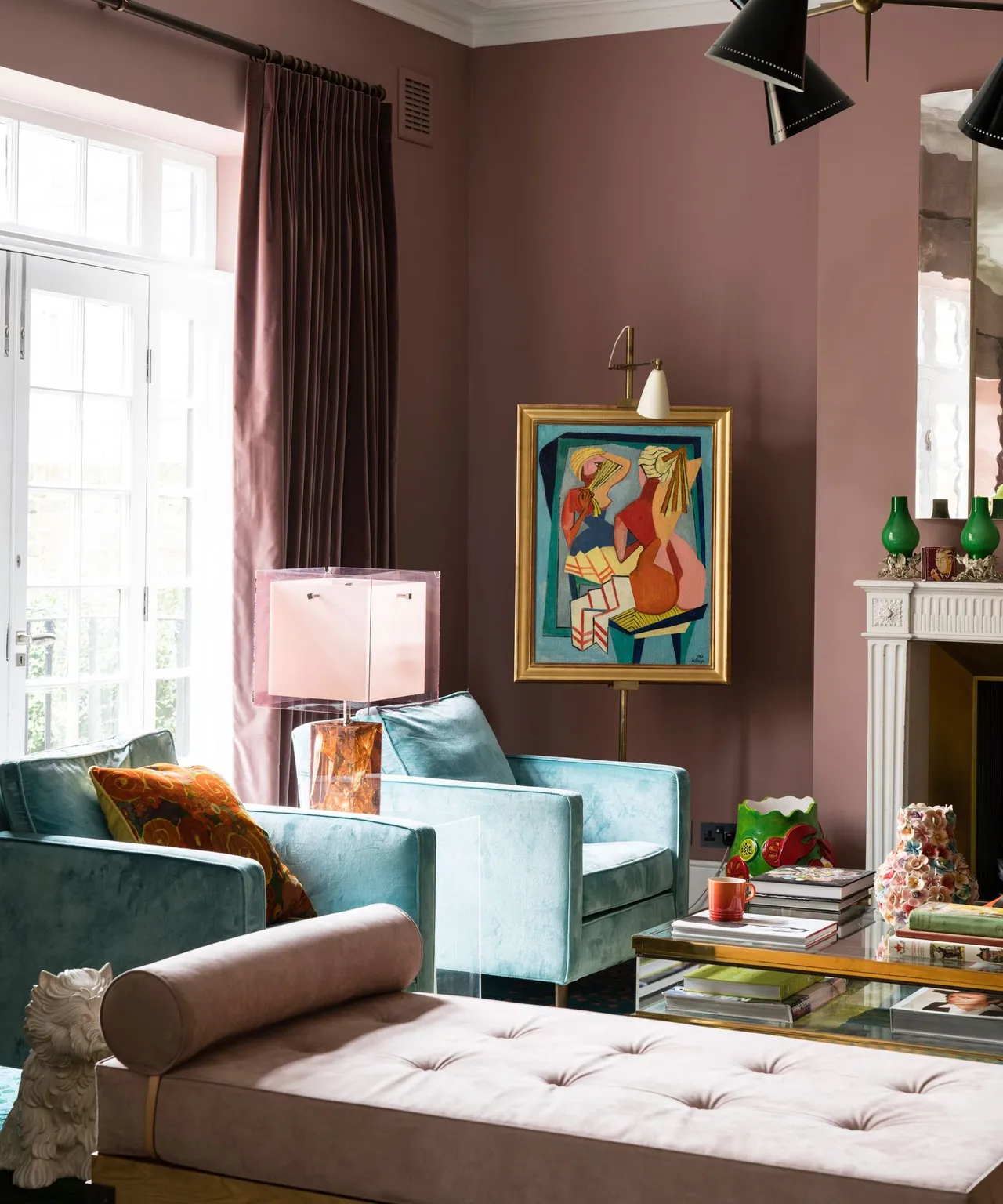
Connect framed artwork with a pair of blue chairs
 SaveSupport Non AI Creator
Image credit: James Merrel/Future
Two pale blue chairs create a clearer furniture pair beside the muted pink wall. A colorful framed picture connects their cooler fabric with warmer accents, while the pale buttoned chaise introduces a different older-looking seat in the foreground. The rectangular table gives the mixed group a central surface, showing how one paired element can organize a room containing several individually chosen furniture shapes.
Measure the chaise and chairs with people seated, leaving enough space to reach the table and move around the group. Inspect collected upholstery and support before buying, comparing cleaning needs across the different fabrics. Hang the artwork securely and retain useful light at the seats, choosing additional objects only where they improve the arrangement rather than filling every remaining corner.
BRING IT ALL TOGETHER
Let the collection grow around a usable room
Choose the seats, tables and main routes before adding the more detailed finds. Compare colors with the actual upholstery and floor rather than expecting different furniture pieces to match exactly. Keep a few larger surfaces simpler so patterned fabrics, pictures and decorative objects remain visible instead of merging into one continuous display.
Inspect secondhand furniture for sound construction and suitable repair needs, and have older lighting checked before use. Learn how rugs, fabric covers and woven furniture should be cleaned before committing to them. Keep the pieces that improve comfort, storage or personal enjoyment, leaving enough clear space for everyday belongings and easy movement around occupied seats.